Century Ride Training Guide 2025: Your Complete Roadmap to 100 Miles
Master the iconic 100-mile cycling milestone with our comprehensive training guide. Covering training plans, nutrition strategies, pacing, gear, and mental preparation for your first century ride.
Table of Contents
Plan Your Century Pace
Use our cycling calculators to determine your target pace, power zones, and nutrition timing for your 100-mile ride.
Calculate FTP →1. What is a Century Ride?
A century ride is the cycling equivalent of a marathon—100 miles (160 kilometers) that represents a true test of endurance, nutrition management, and mental fortitude. For many cyclists, completing their first century is a milestone achievement that transforms them from recreational rider to serious endurance athlete.
The term "century" refers specifically to 100 miles. A metric century (100 kilometers or 62 miles) is a popular stepping stone that offers a significant challenge without the full demands of the imperial distance. Both distances are worthy goals, but this guide focuses on the full 100-mile century.
Why Ride a Century?
Century rides attract cyclists for various reasons:
- Personal achievement: Completing 100 miles proves what your body and mind can accomplish
- Fitness milestone: Training for a century builds exceptional endurance
- Community events: Organized centuries offer route support, aid stations, and camaraderie
- Charity fundraising: Many centuries support worthy causes
- Adventure: Covering 100 miles lets you explore beautiful routes
2. Are You Ready? Prerequisites
Before starting a century training plan, you should have established baseline cycling fitness. Jumping into century training without this foundation increases injury risk and makes the process unnecessarily difficult.
Minimum Requirements
- Current riding: Comfortably riding 30-40 miles in a single ride
- Weekly volume: Riding at least 60-80 miles per week
- Consistency: 3-4 rides per week for at least the past month
- Basic nutrition: Experience eating and drinking while riding
- Bike fit: No significant discomfort during 2+ hour rides
Not There Yet?
If you can't currently ride 30 miles comfortably, spend 6-8 weeks building your base before starting this plan. Focus on gradually increasing ride duration and weekly mileage. Our Beginner Cyclist Guide can help you build this foundation.
3. 12-Week Training Plan
This plan assumes you meet the prerequisites and can commit 6-10 hours per week to training. The plan progressively builds your long ride while developing the fitness to sustain effort over 100 miles.
Weekly Structure
| Day | Workout | Purpose |
|---|---|---|
| Monday | Rest or cross-training | Recovery |
| Tuesday | Interval training (60-90 min) | Build power and speed |
| Wednesday | Easy spin (45-60 min) | Active recovery |
| Thursday | Tempo ride (60-90 min) | Build sustainable power |
| Friday | Rest | Pre-long ride recovery |
| Saturday | Long ride (progressive) | Build endurance |
| Sunday | Easy spin or rest | Recovery |
Long Ride Progression
| Week | Long Ride | Weekly Volume | Focus |
|---|---|---|---|
| 1 | 40 miles | 80-90 mi | Establish rhythm |
| 2 | 45 miles | 90-100 mi | Nutrition practice |
| 3 | 50 miles | 100-110 mi | Pacing discipline |
| 4 | 40 miles (recovery) | 80-90 mi | Recovery week |
| 5 | 55 miles | 110-120 mi | Mental strategies |
| 6 | 60 miles | 120-130 mi | Fueling refinement |
| 7 | 65 miles | 130-140 mi | Climbing practice |
| 8 | 50 miles (recovery) | 100-110 mi | Recovery week |
| 9 | 70 miles | 140-150 mi | Longest training ride |
| 10 | 75-80 miles | 140-150 mi | Peak week simulation |
| 11 | 60 miles | 110-120 mi | Begin taper |
| 12 | 30-40 miles | 70-80 mi | Final taper + Century! |
Get Your Custom Century Training Plan
Generate a personalized training schedule based on your current fitness, available training time, and goal century date.
Generate Training Plan →4. Building Endurance
Century riding requires exceptional aerobic endurance—the ability to sustain moderate effort for 5-8 hours. This is built through a combination of long rides and consistent weekly volume.
The Long Ride
Your weekly long ride is the cornerstone of century training. These rides should:
- Be ridden at conversation pace: You should be able to talk in complete sentences
- Include nutrition practice: Eat and drink as you will on century day
- Simulate event conditions: Ride similar terrain when possible
- Progress gradually: No more than 10% increase in distance per week
Base Miles
Weekday rides build the aerobic base that supports your long rides. These don't need to be long—45-90 minutes is sufficient—but they should be consistent. Four rides per week builds more fitness than three big weekend rides.
Quality Workouts
While most century training is easy aerobic work, including some intensity improves efficiency:
Tempo Intervals: Ride at a "comfortably hard" pace (75-85% of FTP) for 10-20 minute blocks. This improves your sustainable power.
Sweet Spot Training: Riding at 88-93% of FTP builds fitness efficiently with manageable fatigue. Include 2-3 x 15-minute blocks in one weekly ride.
Hill Repeats: If your century has significant climbing, practice climbing at a sustainable pace. Focus on consistent effort, not speed.
5. Century Nutrition Strategy
Nutrition is arguably the most important factor in century success. Many riders who have the fitness to complete 100 miles fail because they don't eat or drink enough. You simply cannot ride 100 miles on breakfast alone.
The Numbers
- Calorie burn: Most riders burn 4,000-6,000 calories during a century
- Calorie intake: Aim to replace 30-50% of burned calories (200-300 cal/hour)
- Fluid needs: 20-32 oz per hour depending on conditions
- Electrolytes: 500-1000mg sodium per hour in hot conditions
Pre-Ride Nutrition
Day Before:
- Eat normally—no need to "carb load" excessively
- Increase carbohydrate intake slightly if desired
- Stay well hydrated
- Avoid foods that upset your stomach
Morning Of:
- Eat 2-3 hours before start
- 400-600 calorie meal, primarily carbohydrates
- Examples: oatmeal with banana, toast with peanut butter, bagel with jam
- Coffee if you normally drink it
On-Bike Nutrition
The Golden Rule
Start eating and drinking within the first 30-45 minutes, before you feel hungry or thirsty. By the time you feel depleted, it's too late to catch up. Set a timer on your bike computer if needed.
Recommended foods:
- Energy gels: Quick, easily digestible carbs (100-120 cal each)
- Energy bars: More substantial, good for longer efforts
- Bananas: Natural potassium and easy to eat
- Fig bars/cookies: Comfort food that many stomachs tolerate
- PB&J sandwiches: Real food option for later in the ride
- Sports drink: Combines hydration with calories and electrolytes
Sample Fueling Timeline
| Mile | Time (~) | Nutrition |
|---|---|---|
| 0-15 | 0-1 hr | Sip water/sports drink, eat gel or bar at mile 10 |
| 15-30 | 1-2 hr | Gel every 30 min, steady hydration |
| 30-50 | 2-3.5 hr | Mix gels with real food, continue hydration |
| 50-70 | 3.5-5 hr | More substantial food, watch electrolytes |
| 70-85 | 5-6 hr | Whatever sounds good, maintain hydration |
| 85-100 | 6-7 hr | Quick-absorbing carbs only, push to finish |
6. Pacing for 100 Miles
The single biggest mistake century riders make is starting too fast. The excitement of the event, fresh legs, and group dynamics all conspire to push you above sustainable pace in the first 20 miles.
The First 30 Miles
The first 30 miles should feel almost too easy. If you're using power, stay at or below 70% of FTP. By heart rate, stay in Zone 2 or lower. You should be able to chat with other riders comfortably.
Pacing Wisdom
"If it feels easy, you're probably riding right." Many experienced century riders say the first 50 miles are just the warm-up for the real ride.
Middle Miles (30-70)
This is where you settle into your rhythm. Maintain steady effort—not steady speed—across varying terrain. On hills, maintain effort and let speed drop. On descents, recover; don't hammer.
Final 30 Miles
If you've paced correctly, you'll still have legs for the final push. This is where properly trained riders actually feel strong while those who started too fast are suffering. Increase effort slightly if you feel good.
Power-Based Pacing
If you have a power meter, use these guidelines:
| Miles | % of FTP | Feel |
|---|---|---|
| 0-30 | 60-70% | Very easy, conversational |
| 30-70 | 65-75% | Steady, sustainable |
| 70-100 | 70-80% | Controlled push if feeling good |
7. Essential Gear and Bike Setup
Bike Preparation
One Week Before:
- Full bike inspection and tune-up
- Fresh chain if needed (or deep clean existing)
- Check brake pads and brake function
- Ensure shifting is crisp across all gears
- Inspect tires for wear and embedded debris
Day Before:
- Pump tires to optimal pressure
- Lubricate chain
- Load bottles and nutrition
- Charge devices (computer, lights if needed)
Comfort is King
On a century, small discomforts become big problems. Address these before event day:
Saddle: Your saddle should be comfortable for 3+ hours before attempting a century. If you have any hot spots or numbness, experiment with saddle position or different saddles during training.
Handlebars: Good bar tape and possibly cycling gloves reduce hand fatigue. Move your hand position frequently during long rides.
Chamois: Quality cycling shorts with a good chamois make an enormous difference. Apply chamois cream for added comfort.
What to Carry
For organized centuries with support, you need less. For self-supported rides, carry more:
- Flat kit: Two tubes, tire levers, multi-tool, mini pump or CO2
- Nutrition: Enough for at least 2-3 hours between stops
- Hydration: Two large bottles minimum
- Phone: For emergencies and navigation
- Cash/card: For convenience store stops if needed
- Sunscreen: Reapply at rest stops
- ID and insurance card: Just in case
Century Ride Gear Checklist
Dial in every piece of gear before race day. Our in-depth guides cover each category:
Century Day Essentials
8. Mental Strategies
A century is as much a mental challenge as a physical one. Your body can handle 100 miles if properly trained—your mind needs to be convinced.
Break It Down
Don't think about 100 miles. Think about reaching the next aid station, the next landmark, or the next 10 miles. Many riders use this breakdown:
- Miles 0-25: "Just warming up"
- Miles 25-50: "Settling into the groove"
- Miles 50-75: "More than halfway, less than a metric century to go"
- Miles 75-100: "Just a long training ride to finish"
Dealing with Dark Patches
Almost everyone hits a rough patch during a century—usually somewhere between miles 60-80. Prepare for this:
- Check nutrition: Low points often coincide with nutrition deficits
- Change something: Stand up, shift to easier gear, adjust position
- Accept it: Bad patches pass. Keep moving forward.
- Use mantras: Simple phrases like "just keep pedaling" or "this will pass"
Mental Reset
If you're struggling, stop at an aid station, sit down for 5-10 minutes, eat something substantial, and reset mentally. Sometimes a brief break saves the entire ride.
9. Event Day Execution
Pre-Event Timeline
- Day before: Pick up packet, review route, check weather, prep bike and gear
- Night before: Lay out everything, set multiple alarms, get to bed early
- Morning: Wake 2.5-3 hours before start, eat breakfast, arrive 60+ minutes early
- At venue: Set up transition/bag drop, use restroom, warm up legs
Start Line Strategy
Most organized centuries use staggered or wave starts. Position yourself according to your expected pace—not your aspirational pace. Starting with faster riders leads to going out too hard.
Aid Station Protocol
Organized centuries have aid stations every 15-25 miles. Use them efficiently:
- Know what's offered at each stop (food, drink, mechanical support)
- Refill bottles even if not empty
- Use restrooms—holding it wastes energy
- Don't linger too long—legs stiffen when stopped
- 5-10 minute stops are usually sufficient
10. Post-Century Recovery
The finish line isn't the end—proper recovery helps you bounce back faster and prevents lingering fatigue.
Immediately After
- Keep moving: Easy spin or walk for 10-15 minutes
- Eat: Consume protein and carbs within 30 minutes
- Hydrate: Continue drinking for several hours
- Stretch: Gentle stretching for major muscle groups
Days Following
- Day 1: Complete rest or very easy activity (walk, swim)
- Day 2-3: Easy spin if legs feel up to it (30-45 minutes max)
- Day 4-7: Gradual return to normal training volume
- Day 7+: Resume regular training
11. Frequently Asked Questions
How long does it take to train for a century ride?
Most cyclists need 12-16 weeks of dedicated training to prepare for a century ride. If you're already riding 40-50 miles comfortably, 12 weeks is typically sufficient. Complete beginners should allow 16-20 weeks or more. The key is building up long ride distance gradually while maintaining consistency.
What is a good time for a 100-mile bike ride?
Century times vary based on terrain, conditions, and fitness. Beginners typically finish in 7-9 hours (including stops). Intermediate cyclists complete centuries in 5-7 hours. Strong recreational riders finish in 4.5-5.5 hours. Competitive cyclists can finish under 4.5 hours. Your goal for a first century should be completion, not a specific time.
How many calories should I eat during a century ride?
Plan to consume 200-300 calories per hour while riding, starting 30-45 minutes into the ride. For a 6-hour century, that's 1,000-1,500 calories during the ride. Mix easily digestible carbohydrates like gels, bars, bananas, and sports drinks. Practice your nutrition strategy during long training rides to find what works for your stomach.
Do I need a special bike for a century ride?
No special bike is required—any well-maintained road, gravel, or hybrid bike will work. Key factors are proper fit (crucial for comfort over 100 miles), reliable gearing for the terrain, and comfort features like good bar tape and a suitable saddle. Many cyclists complete centuries on entry-level bikes with proper preparation.
What is the longest training ride before a century?
Most training plans include at least one 75-80 mile ride before the century. Some coaches recommend riding 70-80% of the century distance (70-80 miles) as your longest training ride. The remaining distance can be covered through accumulated fitness and event-day adrenaline. More important than one long ride is consistent weekly volume.
Can I draft in a century ride?
Most non-competitive century rides allow drafting—riding close behind other cyclists to save energy. This can reduce effort by 20-30% and make a significant difference over 100 miles. Practice group riding skills beforehand and be predictable in your movements. In competitive events, check rules as some prohibit drafting.
Ready to Conquer 100 Miles?
Start your century journey with the right tools. Our calculators help you determine your power zones, pace targets, and nutrition needs for your first 100-mile ride.
Related Training Guides
Featured at Backcountry — 15% off first order
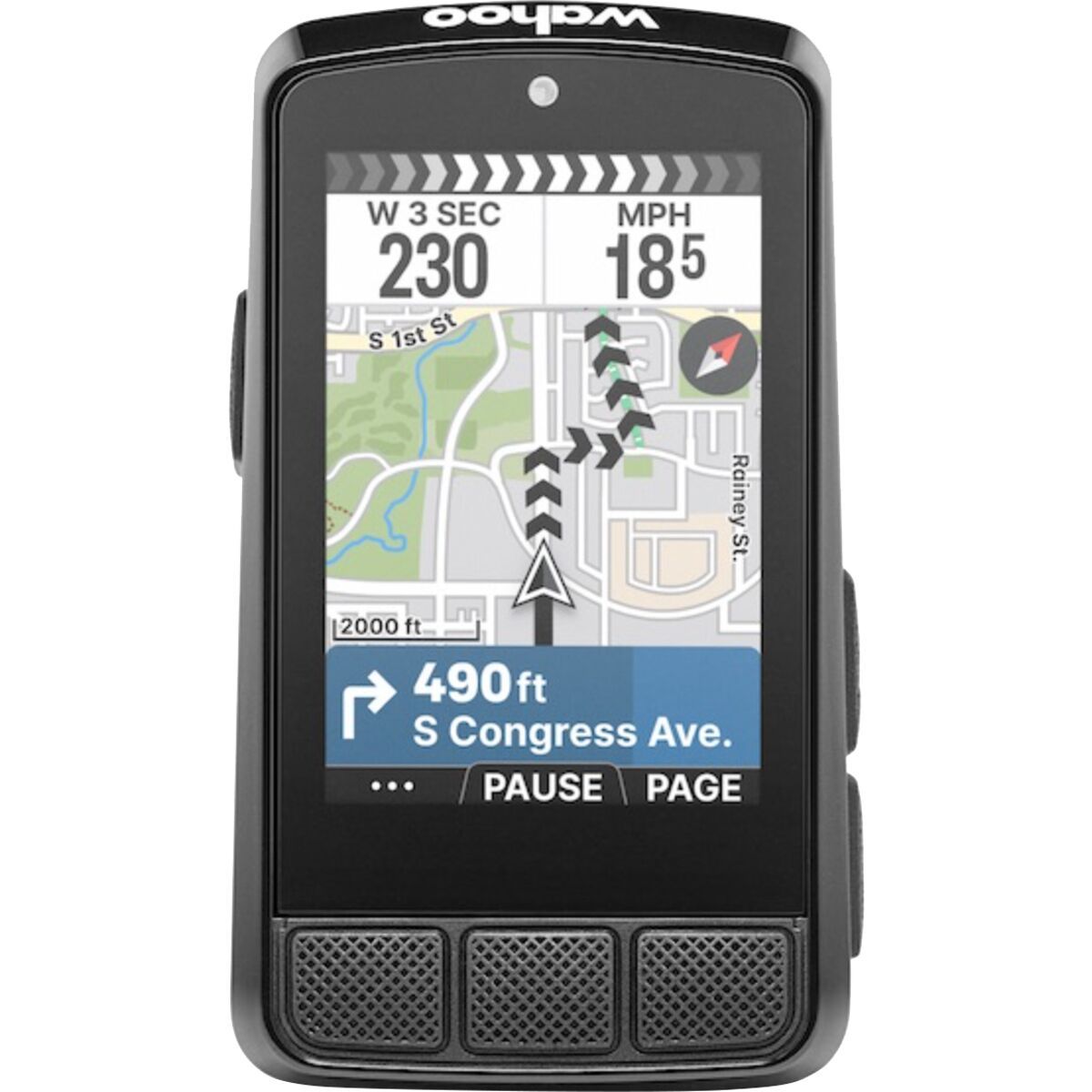
Wahoo ELEMNT BOLT 3
Track your rides with Wahoo's compact GPS — the bike computer we use daily.