Chicago Marathon Training Guide 2025: Flat Course Strategy, Training Plan & Race Day Tips
Table of Contents
1. Introduction to the Chicago Marathon
The Bank of America Chicago Marathon is one of the six World Marathon Majors and consistently ranks among the fastest marathon courses in the world. Held on the second Sunday of October, Chicago attracts over 45,000 runners from 100+ countries, all drawn by its flat profile, incredible crowd support, and world-class organization.
First run in 1977, Chicago has become synonymous with fast times. The course hosted Kelvin Kiptum's stunning 2:00:35 in 2023—the fastest marathon ever run at the time. For age-group runners, the flat terrain and well-organized pace groups make Chicago an ideal PR course.
Why Chicago Is Special
The course winds through 29 neighborhoods, showcasing Chicago's diversity—from the skyscrapers of the Loop to the brownstones of Lincoln Park to the mariachi bands of Pilsen. It's a tour of America's most underrated great city.
Key Race Facts
| Date | Second Sunday in October |
| Start/Finish | Grant Park (Columbus Drive) |
| Total Elevation Gain | ~300 feet (91 meters) |
| Course Record (Men) | 2:00:35 (Kelvin Kiptum, 2023) |
| Course Record (Women) | 2:13:44 (Brigid Kosgei, 2019) |
| Time Limit | 6 hours 30 minutes |
Marathon Training Essentials
Product links may earn us a commission at no additional cost to you.
2. Course Overview: The Flat and Fast Route
The Chicago Marathon is a loop course that starts and finishes in Grant Park. With only about 300 feet of total elevation change—almost entirely from small bridges and underpasses—it's one of the flattest major marathons in the world.
Elevation Profile
The course is remarkably flat. The highest point is only about 30 feet above the lowest point. The few "hills" are:
- Mile 1: Slight rise over the Chicago River on Columbus Drive
- Mile 8: Small rise in Lincoln Park (barely noticeable)
- Mile 16: Brief underpass near UIC
- Mile 20: Short rise in Chinatown area
- Mile 25-26: Gentle rise back into Grant Park
PR Course
The flat profile means you can run even splits without terrain forcing pace changes. This is the course to attempt a personal best if conditions cooperate.
Course Sections
Miles 1-5: North Through the Loop
Start on Columbus Drive, head north through downtown Chicago. Wide streets, massive crowds, tall buildings. The energy is electric but resist the urge to go out too fast.
Miles 6-13: Lincoln Park & Wrigleyville
Through Old Town, Lincoln Park, and past Wrigley Field (mile 8-9). Crowds are incredible in Wrigleyville. The leafy streets of Lincoln Park offer a nice change of scenery.
Miles 14-20: West Side
Head west through Greektown, Little Italy, and Pilsen. Diverse neighborhoods with enthusiastic local crowds. The mariachi bands in Pilsen around mile 17-18 are legendary.
Miles 21-26: South Side & Finish
Through Chinatown (mile 21), then Bronzeville and back north to Grant Park. The final miles along Michigan Avenue to the finish line provide a stunning backdrop.
3. Neighborhood-by-Neighborhood Guide
One of Chicago's unique features is the distinct personality of each neighborhood. Here's what to expect:
| Miles | Neighborhood | Crowd Energy | Highlights |
|---|---|---|---|
| 1-3 | The Loop | Massive | Skyscrapers, start energy |
| 4-6 | River North/Old Town | Strong | Historic brownstones |
| 7-9 | Lincoln Park/Wrigleyville | Incredible | Wrigley Field, party atmosphere |
| 10-13 | Boystown/Uptown | Festive | Rainbow flags, DJ stages |
| 14-16 | Greektown/Little Italy | Moderate | UIC campus, cultural zones |
| 17-19 | Pilsen | Phenomenal | Mariachi bands, murals |
| 20-22 | Chinatown | Strong | Dragon dancers, drums |
| 23-26 | Bronzeville/Michigan Ave | Growing | Final push to Grant Park |
Pilsen Energy Boost
When you hit Pilsen around miles 17-18, the mariachi music and enthusiastic crowds provide a much-needed energy boost just as fatigue typically sets in. Many runners cite this section as the emotional highlight of the race.
4. Pacing Strategy for a Flat Course
Chicago's flat profile allows for consistent pacing, but this can also be a trap. Without terrain forcing you to slow down, it's easy to go out too fast on adrenaline and pay for it later.
The Even Split Approach
On a flat course like Chicago, even splits (same pace throughout) or slight negative splits (second half faster) produce the best results. Here's how to execute:
Miles 1-5: Controlled Start
Start 5-10 seconds per mile slower than goal pace. The downtown crowds will pull you faster—resist. The first 5K should feel easy.
Miles 6-13: Find Rhythm
Settle into goal pace through Lincoln Park and Wrigleyville. Use the crowd energy but don't surge. This is your cruise control section.
Miles 14-20: Stay Patient
Maintain pace through the West Side. The quieter sections between neighborhoods are where discipline matters. Trust your training.
Miles 21-26: Execute
If you've paced correctly, you should have energy to maintain or even increase pace. Chinatown and the final stretch on Michigan Avenue should feel like a victory lap.
Sample Splits for 3:30 Goal
Goal pace: 8:01/mile
First Half
- Miles 1-5: 8:05-8:10 avg (40:30)
- Miles 6-10: 8:00 avg (40:00)
- Mile 13.1: 1:45:30 (+30 sec buffer)
Second Half
- Miles 14-20: 8:00 avg
- Miles 21-26: 7:55-8:00 avg
- Finish: 3:29:00-3:30:00
Calculate Your Splits
Use our Running Pace Calculator to generate custom mile-by-mile splits for your goal time.
5. Chicago-Specific Training
While Chicago is flat, there are still specific elements to train for.
Training Focus Areas
Pace Discipline
Practice running even pace without terrain forcing changes. Do long runs at marathon pace for extended sections (10-15 miles at goal pace in peak training).
Concrete Surfaces
Chicago is run primarily on asphalt and concrete. If you train on trails or softer surfaces, include road running to prepare your legs for the pounding.
Heat Adaptation
October can bring warm weather (the 2007 race hit 88°F). Include some heat training in late summer, and have backup pace plans for warm conditions.
Crowd Running
Practice running in crowded race conditions. The start is congested, and you'll need to navigate around other runners for the first few miles.
Key Workouts
- Marathon Pace Long Run: 18-20 miles with 10-14 at goal marathon pace
- Tempo Runs: 8-10 miles at marathon pace or slightly faster
- Even Split Practice: 16 miles with exact same pace every 4-mile segment
- Progressive Long Run: Start easy, finish last 6-8 miles at marathon pace
Generate Your Training Plan
Get a customized 16-20 week Chicago Marathon training plan with our Running Training Plan Generator.
6. Weather Preparation
October weather in Chicago is notoriously unpredictable. Be prepared for anything from near-freezing to summer-like conditions.
Historical Weather Data
| Condition | Typical Range | Ideal | Worst Case |
|---|---|---|---|
| Start Temp | 45-60°F | 45-55°F | 70°F+ |
| Finish Temp | 55-70°F | 55-65°F | 80°F+ |
| Wind | 5-15 mph | Under 10 mph | 20+ mph |
Pace Adjustments for Heat
If race day is warm, adjust your goal pace:
- 60-65°F: Goal pace or 5-10 sec/mile slower
- 65-70°F: 10-20 sec/mile slower
- 70-75°F: 20-40 sec/mile slower
- 75°F+: 40-60+ sec/mile slower, prioritize finishing safely
2007 Warning
The 2007 Chicago Marathon started at 72°F and reached 88°F. The race was stopped mid-event, with one death and 300+ hospitalizations. Take heat seriously and abandon time goals if conditions are dangerous.
7. Race Week Logistics
Expo and Bib Pickup
The Chicago Marathon Expo at McCormick Place is one of the largest running expos in the world. It runs Friday through Saturday before race day.
- Bring photo ID and confirmation email
- Go Friday if possible—Saturday is extremely crowded
- Pick up gear check bag, bib, and timing chip
- Don't spend hours on your feet—get in and out
Race Morning
Timeline
- 4:00-5:00 AM: Wake up, eat breakfast
- 5:30-6:00 AM: Leave for Grant Park
- 6:00-7:00 AM: Arrive at start area, use bathrooms, drop gear
- 7:00-7:20 AM: Move to starting corral
- 7:30 AM: Elite start
- 7:30-8:00 AM: Wave starts begin
Getting to the Start
- CTA: Red, Blue, Green, Orange, Brown lines all have stops near Grant Park
- Metra: Commuter rail to Millennium Station
- Taxi/Rideshare: Drop off on Michigan Avenue
- Driving: Not recommended—streets are closed, parking is limited
8. Race Day Execution
Start Strategy
The start is crowded with 45,000+ runners. Position yourself honestly in your corral based on realistic goal pace, not your dream time.
- Start toward the sides if you like space, center for faster flow
- First mile will be congested regardless of position
- Don't weave excessively—it wastes energy
- If running with a pace group, find them before the gun
Nutrition Plan
Aid Station Layout
- Every mile: Water and Gatorade Endurance
- Miles 10, 20: Gatorade energy gels
- Medical stations: Throughout course
Carry your own gels if you prefer specific brands. Practice with Gatorade products in training if you plan to use course nutrition.
Mental Checkpoints
Mile 8 (Wrigley Field)
First third done. Should feel controlled and comfortable. If you're working hard here, you went out too fast.
Mile 13.1 (Halfway)
Check split against goal. Ideally even or slightly slow. If significantly fast, consciously ease back.
Mile 18 (Pilsen)
Let the mariachi energy carry you. This is where the race really begins.
Mile 22 (Chinatown)
5K to go. If you're hurting, break it into small chunks. If you feel good, time to push.
9. Frequently Asked Questions
Is the Chicago Marathon a fast course?
Yes, the Chicago Marathon is one of the fastest major marathons in the world. With only 300 feet of total elevation gain and a point-to-point loop through flat city streets, it's ideal for PRs. The course record is 2:00:35 (Kelvin Kiptum, 2023), and numerous world records have been set here.
What is the weather like for the Chicago Marathon?
October weather in Chicago is variable, typically ranging from 45-65°F at the start. Some years have been warm (70°F+ in 2007), which significantly impacts performance. The lakefront sections can be windy. Check forecasts closely and have backup pacing plans for warm conditions.
How do I qualify for the Chicago Marathon?
Chicago offers multiple entry methods: non-guaranteed lottery (applied in fall for following October race), time qualifier (3:15 for men 16-29, 3:45 for women 16-29, adjusted by age), charity entry ($1,750+ fundraising minimum), or international tour operators. The lottery acceptance rate varies but is typically higher than NYC or Boston.
What are the best spectator spots at the Chicago Marathon?
Top spectator locations include: the start area on Columbus Drive, Wrigleyville near Wrigley Field (mile 8-9), Pilsen with its mariachi bands (mile 17-18), Chinatown (mile 21), and the finish area in Grant Park. The CTA makes it easy to see runners at multiple points along the course.
Should I run Chicago or NYC for my first major marathon?
Chicago is better for chasing a PR due to its flat course, while NYC offers a more iconic touring experience through five boroughs with challenging bridges. Chicago's flat profile is more forgiving for pacing mistakes. Both have incredible crowd support and world-class organization. If time goals matter most, choose Chicago.
Conclusion: Chase Your PR in Chicago
The Chicago Marathon offers everything a marathoner could want: a flat, fast course, incredible crowd support through diverse neighborhoods, and world-class organization. Whether you're chasing a BQ, a PR, or simply an unforgettable experience, Chicago delivers.
Train smart, respect the weather, execute even pacing, and let the energy of the Windy City carry you to the finish line in Grant Park. See you on Columbus Drive.
Ready to Train for Chicago?
Generate a custom training plan designed for the flat, fast Chicago Marathon course.
Related Training Guides
Marathon Training Guide 2025
Complete guide to marathon training with plans and strategies.
NYC Marathon Training Guide
Course strategy and training for the five-borough challenge.
Boston Marathon Qualifying Guide
Train to qualify for the world's oldest annual marathon.
Running Cadence & Form Guide
Optimize your stride for efficiency and speed.
Featured at Backcountry — 15% off first order
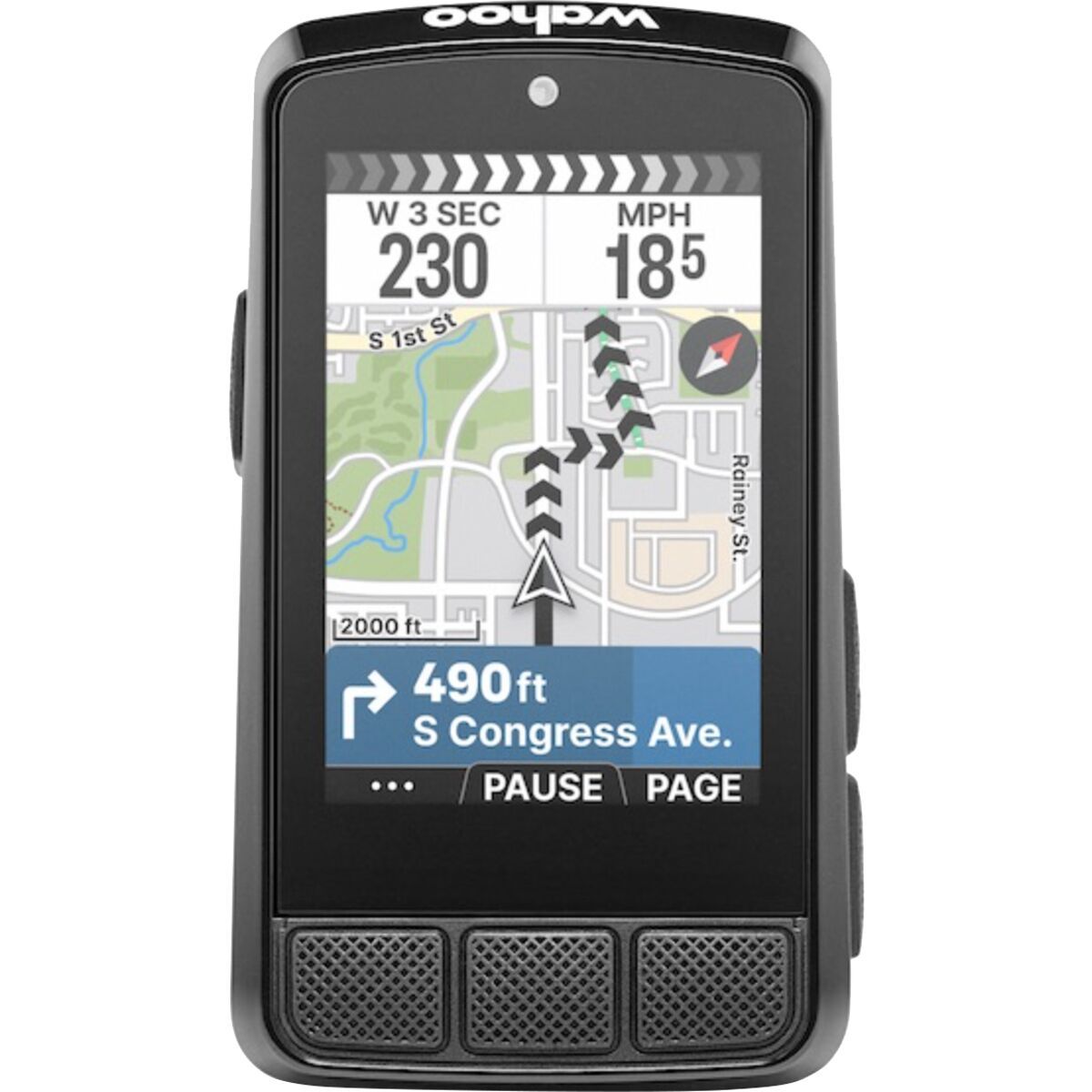
Wahoo ELEMNT BOLT 3
Execute your training plan with the Wahoo BOLT 3 — structured workouts display on-screen.