The Quick Guide
Climbing is where cycling gets real. Unlike flat riding where drafting and aerodynamics dominate, climbs are pure you versus gravity. This guide covers everything you need to become a stronger, more confident climber: technique fundamentals, pacing strategies that prevent blowing up, gearing that matches your ability to the gradient, training that builds climbing-specific fitness, and mental tactics that keep you moving when everything hurts.
What's in This Guide
The Physics of Climbing: Why Hills Hurt
Understanding the physics of climbing helps you climb smarter. On flat ground, you fight air resistance (which increases with the cube of velocity) and rolling resistance. On climbs, gravity becomes the dominant force, and gravity doesn't negotiate.
The Power Equation
The power required to climb at a given speed can be approximated as:
Power = (Weight x Gradient x Speed x 9.81) + Rolling Resistance + Air Resistance
On steep climbs (8%+), gravity accounts for 85-95% of resistance. Air resistance becomes nearly negligible at climbing speeds.
Why Every Kilogram Matters
At 8% gradient climbing at 15 km/h, every additional kilogram of body weight or equipment requires approximately 11-12 extra watts. For a 75kg rider, that means:
| Extra Weight | Extra Power Needed (8%) | Time Lost (30 min climb) |
|---|---|---|
| 1 kg | ~12 watts | ~25-30 seconds |
| 2 kg | ~24 watts | ~50-60 seconds |
| 5 kg | ~60 watts | ~2-2.5 minutes |
Key Insight: On flat ground, a heavier rider can hide in the draft and use their mass to maintain momentum. On climbs, everyone pays their own gravity bill. This is why lightweight climbers who struggle on the flats can excel in the mountains.
Gradient Impact on Speed
The same power output produces dramatically different speeds depending on gradient:
| Gradient | Speed at 200W (75kg) | Speed at 300W (75kg) |
|---|---|---|
| Flat (0%) | ~32 km/h | ~38 km/h |
| Moderate (5%) | ~13 km/h | ~19 km/h |
| Steep (10%) | ~8 km/h | ~12 km/h |
| Very Steep (15%) | ~5.5 km/h | ~8 km/h |
Seated Climbing Technique
Seated climbing is the foundation of efficient climbing. Research shows that seated climbing is 5-10% more metabolically efficient than standing because you use less energy stabilizing your body, can maintain smoother power delivery, and achieve higher cadences.
Body Position
- Saddle Position: Slide slightly back on the saddle to engage glutes and hamstrings more effectively. This posterior position provides better leverage for power production.
- Upper Body: Keep shoulders relaxed and dropped, not hunched up toward ears. Maintain a stable but not rigid torso with minimal rocking side-to-side.
- Core Engagement: Activate your core to stabilize the pelvis. A stable platform allows your legs to drive power more efficiently without energy leaking through excessive body movement.
- Head Position: Look ahead, not down. Keep your neck relaxed. Looking down restricts breathing and adds unnecessary tension.
Hand Position
Your hand position affects breathing, comfort, and control:
- On the Hoods (Primary): The most common position. Provides good control, comfortable arm angle, and opens the chest for breathing.
- On the Tops: Opens the chest fully for maximum breathing capacity. Best for long, steady climbs where you don't need quick braking access. Reduces stress on hands and wrists.
- Avoid the Drops: Compresses the diaphragm, restricts breathing, and puts stress on lower back. Reserve for descending or flat sections.
Pedal Stroke
A smooth, powerful pedal stroke becomes even more important when climbing:
- Power Phase (12 o'clock to 5 o'clock): Drive down through the ball of your foot. Visualize pushing your knee toward the handlebar.
- Pull-Through (5 o'clock to 7 o'clock): Scrape back as if wiping mud off your shoe. This extends the power phase.
- Recovery (7 o'clock to 12 o'clock): Lift your foot actively rather than letting the other leg push it up. This reduces resistance and engages hip flexors.
- Top of Stroke: Push forward over the top, initiating the next power phase smoothly.
Breathing
Breathing Technique for Climbing
- - Breathe deeply into your belly, not shallowly into your chest
- - Establish a rhythm: many climbers use 2 pedal strokes per inhale, 2 per exhale
- - Never hold your breath, even during hard efforts
- - If you find yourself gasping, you're going too hard - back off the intensity
- - Exhale forcefully on steeper pitches to ensure complete lung emptying
Cadence for Seated Climbing
Optimal seated climbing cadence typically falls between 75-90 RPM for most riders, though this varies based on:
- Gradient: Steeper grades naturally lower cadence. On 12%+ grades, even 65-70 RPM may be optimal.
- Physiology: Riders with strong cardiovascular systems but less raw strength benefit from higher cadences (85-95). Power-based riders often prefer lower cadences (70-80).
- Climb Duration: Longer climbs generally warrant lower cadences to spare the cardiovascular system and reduce muscular fatigue.
Standing Climbing Technique
Standing climbing generates more peak power but uses more energy. It recruits additional muscle groups, allows use of body weight as leverage, and provides relief for muscles fatigued from seated climbing. Master standing technique to have another tool in your climbing arsenal.
The Transition
Before Standing:
- Shift to a harder gear (1-2 cogs) before rising. Standing produces more torque at lower cadence.
- Time your rise to coincide with a power stroke - rise as one leg pushes down.
- Move your hands to the hoods for optimal leverage and control.
- Smoothly rise from the saddle, bringing your hips forward over the bottom bracket.
Standing Body Position
- Weight Distribution: Keep your weight centered over the pedals, not too far forward or back. Your hips should be over the bottom bracket.
- Bike Movement: Allow the bike to rock naturally beneath you, swaying opposite to each pedal stroke. This is efficient - fighting it wastes energy.
- Arm Action: Pull on the bars in opposition to your pedaling. As your right leg pushes down, pull with your left arm, and vice versa.
- Grip: Hold the hoods firmly but not death-gripping. Excessive grip tension wastes energy and causes arm fatigue.
Standing Cadence
Standing cadence is naturally lower than seated, typically 60-75 RPM. This allows you to use body weight and leverage to drive each pedal stroke with maximum force.
Common Standing Mistakes
- Weight too far forward: Causes the rear wheel to lose traction on steep or loose surfaces
- Fighting the bike: Trying to keep the bike perfectly upright wastes energy
- Hunched shoulders: Restricts breathing and causes upper back fatigue
- Wrong gear: Standing in too easy a gear leads to spinning out; too hard causes grinding
- Standing too long: Extended standing burns more energy - use it strategically
The Transition Back to Seated
Smoothly transition back to seated climbing when the need for extra power passes:
- Shift to an easier gear (1-2 cogs) as you prepare to sit
- Time sitting with the recovery phase of your pedal stroke
- Slide back on the saddle to the optimal seated position
- Increase cadence slightly as you settle into seated rhythm
When to Sit vs Stand: Strategic Decisions
The best climbers use both seated and standing techniques strategically. Knowing when to switch optimizes efficiency and preserves energy for when you need it most.
Stay Seated When:
- - You can maintain your target cadence (70+ RPM) comfortably
- - The gradient is moderate (under 8-10%)
- - You're on a long climb and need to conserve energy
- - The road surface is loose or slippery (better rear wheel traction)
- - You're riding in a group and need to maintain steady pace
- - The climb has many kilometers remaining
Stand When:
- - Gradients exceed 10-12% and seated cadence drops too low
- - You need to accelerate - responding to an attack or closing a gap
- - Making a short, punchy effort (under 30 seconds to 2 minutes)
- - To stretch and give seated muscles a rest on long climbs
- - Cresting a summit with a final push
- - To maintain momentum over short steep pitches
- - When your seated muscles are cramping or fatiguing
The Percentage Split
For most recreational cyclists on sustained climbs, aim for approximately:
| Gradient | % Seated | % Standing |
|---|---|---|
| 5-7% | 90-95% | 5-10% |
| 8-10% | 80-90% | 10-20% |
| 11-14% | 60-75% | 25-40% |
| 15%+ | 40-60% | 40-60% |
Pro Tip: Elite climbers often alternate between sitting and standing every 30-60 seconds on long steep climbs. This distributes fatigue across different muscle groups and maintains more consistent power output.
Pacing Long Climbs
Pacing is arguably the most important skill for climbing. Start too hard and you'll blow up spectacularly, watching others ride past as you crawl to the summit. Pace correctly and you'll finish strong, possibly even passing those who started too fast.
The Golden Rule of Climbing Pacing
Start easier than feels right. If you feel good at the bottom, you're probably going too hard. The correct effort at the start should feel almost disappointingly easy. Build toward the end if you have energy left.
Target Effort by Climb Duration
| Climb Duration | Target Power | Perceived Effort | Pacing Notes |
|---|---|---|---|
| Under 5 min | 105-120% FTP | Hard (8-9/10) | Start strong, manageable suffering |
| 5-15 min | 95-105% FTP | Sustainably hard (7-8/10) | Threshold effort, can speak in fragments |
| 15-30 min | 88-95% FTP | Challenging (6-7/10) | Sweet spot, can speak short sentences |
| 30-60 min | 80-90% FTP | Steady (5-6/10) | Tempo effort, conversation possible |
| 60+ min | 70-85% FTP | Moderate (4-5/10) | Endurance pace, fully conversational |
The Three-Thirds Strategy
Divide any unfamiliar climb into three mental segments:
First Third
Find your rhythm. Resist the urge to attack. Let others go - you'll likely see them again. Focus on smooth pedaling and controlled breathing.
Middle Third
Settle into sustainable effort. This is where most climbing happens. Maintain consistent power and stay mentally engaged without pushing too hard.
Final Third
Time to work. If you paced correctly, you'll have energy to push harder. Gradients often steepen near summits - this is where good pacing pays off.
Handling Variable Gradients
Real climbs rarely have consistent gradients. Adapt your effort to the terrain:
- Before Steep Sections: Build slight momentum. Shift to easier gear early while still moving well.
- During Steep Sections: Accept slower speed. Try to maintain power rather than speed. Shift as needed to keep cadence manageable.
- On Easier Sections: Resist the urge to surge. Use them for slight recovery while maintaining good power.
- False Flats: These are psychological traps. What looks flat is often still climbing. Stay focused on sustainable effort.
- Summit Approach: Maintain effort over the top. Don't ease off 100 meters before the summit - maintain power until you're actually descending.
Using Technology for Pacing
Power Meter
The gold standard for pacing. Set your target power zone and stick to it regardless of how others are riding or how the gradient changes.
Heart Rate Monitor
Useful but lags real-time effort. Best used as a cap - if HR exceeds threshold, you're working too hard for sustained efforts. Allow for cardiac drift on long climbs.
GPS/Gradient Data
Knowing what's ahead helps pacing. If you know a steep section is coming, conserve slightly before it. If you know it eases, you can push a bit more.
Gearing Strategy for Climbing
Having the right gears can mean the difference between spinning up a climb sustainably and grinding to a desperate halt. Don't let ego prevent you from having adequately low gears for your fitness level and target climbs.
Understanding Gear Ratios
Gear ratio = Chainring teeth / Cassette cog teeth. Lower numbers mean easier pedaling. For steep climbs, you want the lowest ratio possible.
| Crankset | Cassette | Easiest Ratio | Best For |
|---|---|---|---|
| Standard (53/39) | 11-28 | 1.39 | Strong riders, moderate hills |
| Standard (53/39) | 11-32 | 1.22 | Racers wanting climbing options |
| Compact (50/34) | 11-32 | 1.06 | Most recreational cyclists |
| Compact (50/34) | 11-34 | 1.00 | Hilly terrain, improving climbers |
| Sub-Compact (48/32) | 11-34 | 0.94 | Mountain passes, loaded touring |
| Gravel (46/30) | 11-36 | 0.83 | Steep climbs, mixed terrain |
| 1x (40t) | 10-52 | 0.77 | Extreme climbs, gravel, MTB |
Matching Gears to Gradient
What gear ratio do you need for different gradients? Here's a guide based on maintaining 75-85 RPM at threshold power for a typical recreational cyclist (3.0 W/kg, 75kg):
| Gradient | Recommended Max Ratio | Example Gearing |
|---|---|---|
| 5-7% | 1.2 or lower | 34/28 (1.21) |
| 8-10% | 1.0 or lower | 34/34 (1.00) |
| 11-14% | 0.9 or lower | 32/36 (0.89) |
| 15%+ | 0.8 or lower | 30/40 (0.75) |
Shifting Strategy During Climbs
- Shift Early: Anticipate gradient changes. Shift to easier gears while you still have momentum, not when you're struggling.
- One at a Time: Shift one cog at a time for smooth transitions that maintain momentum.
- Soft Pedal During Shifts: Ease off power slightly during rear shifts under load to prevent chain skipping and reduce drivetrain wear.
- Front Shifts on Easier Sections: Save front chainring shifts for less steep sections where you can maintain power through the shift.
- Before Standing: Shift 1-2 cogs harder before standing to match the lower cadence.
- Before Sitting: Shift 1-2 cogs easier before sitting to match the higher cadence.
Tip: If you regularly run out of gears on climbs, don't suffer in silence. Modern drivetrains accommodate wide-range cassettes with minimal compromise. Swapping to a larger cassette or smaller chainring is often a simple, affordable upgrade that dramatically improves climbing enjoyment.
Weight Considerations for Climbing
Weight matters for climbing, but not in the obsessive way many cyclists approach it. Understanding the real impact of weight helps you make smart decisions without developing unhealthy fixations.
Body Weight vs Equipment Weight
Gravity doesn't distinguish between body weight and equipment weight - a kilogram is a kilogram. However, the way to address each differs significantly:
Body Weight
- - Focus on sustainable, gradual changes
- - Prioritize health and performance over numbers
- - Losing weight while maintaining power is the goal
- - Extreme dieting sacrifices power and recovery
- - Most riders have more to gain from training than dieting
Equipment Weight
- - Easier to address without health implications
- - Diminishing returns as bikes get lighter
- - Rotating weight (wheels) has slightly more impact
- - Reliability shouldn't be sacrificed for weight
- - Cost per gram saved escalates rapidly
The Real Impact of Weight
Let's put weight savings in perspective for a 30-minute climb at 8% gradient:
| Weight Saved | Time Saved | Example Source |
|---|---|---|
| 100g | ~3 seconds | Lighter tubes, bar tape |
| 500g | ~15 seconds | Carbon seatpost, lighter wheels |
| 1 kg | ~30 seconds | Lighter frame, wheelset upgrade |
| 2 kg | ~60 seconds | Complete bike upgrade |
Where Weight Matters Most
If you're going to invest in weight savings, prioritize:
- Rotating weight (wheels and tires): Has slightly more impact due to rotational inertia, especially on variable gradients with accelerations.
- Items far from center of mass: Wheels, shoes, and helmet weight is felt more than frame weight.
- Reliability first: A lightweight component that fails on a climb costs more time than the weight saved.
Perspective Check: The time saved by dropping 1kg of equipment on a 30-minute climb (~30 seconds) equals roughly 2% improvement. The same improvement can be achieved by a 2% increase in FTP, which is attainable through 4-8 weeks of focused training. Training improvements are free; lightweight equipment is expensive.
Power-to-Weight Ratio: The Climbing Metric
Power-to-weight ratio (W/kg) is the single most important metric for climbing performance. It accounts for both how hard you can push and how much you have to push up the hill.
Benchmark W/kg Values
| Category | FTP (W/kg) | 5-min Power | Climbing Ability |
|---|---|---|---|
| Beginner | 1.5-2.5 | 2.0-3.0 | Struggles on most hills |
| Recreational | 2.5-3.2 | 3.0-3.8 | Can climb most hills steadily |
| Enthusiast | 3.2-3.8 | 3.8-4.5 | Comfortable on longer climbs |
| Competitive Amateur | 3.8-4.5 | 4.5-5.3 | Strong climber in local events |
| Elite Amateur | 4.5-5.3 | 5.3-6.2 | Regional/national level climber |
| Professional | 5.5-6.5+ | 6.5-7.5+ | World-class climbing ability |
Improving Your W/kg
There are two variables in the equation: power and weight. Here's how to approach each:
Increase Power (Preferred Approach)
- - Structured training with progressive overload
- - Threshold and sweet spot intervals
- - Hill repeat workouts
- - Strength training for force production
- - Adequate recovery and sleep
- - Proper fueling for training adaptation
Most riders can improve FTP by 0.3-0.5 W/kg in their first year of structured training.
Reduce Weight (Careful Approach)
- - Only if carrying excess body fat
- - Modest calorie deficit (250-500 cal/day)
- - Prioritize protein to preserve muscle
- - Don't restrict during high-volume training
- - Monitor performance - stop if power drops
- - Work with sports dietitian if possible
Warning: Aggressive weight loss often reduces power more than weight, worsening W/kg.
Calculating Your W/kg
The calculation is simple: Power (watts) / Body weight (kg) = W/kg
For example: 250 watts FTP / 75 kg = 3.33 W/kg
Use our FTP Calculator to determine your threshold power, then divide by your morning weight in kilograms.
Training for Climbs
Becoming a better climber requires targeted training that builds the specific fitness needed for sustained uphill efforts. Here are the key workouts and training principles.
Key Climbing Workouts
1. Hill Repeats
The most specific climbing workout. Find a climb of appropriate duration and repeat it multiple times.
- Workout: 4-8 x 5-10 min at threshold (95-105% FTP) with recovery descents
- Benefit: Builds climbing-specific muscular endurance and pacing skills
- Frequency: Once per week during build phase
2. Over-Under Intervals
Alternate between efforts just above and just below threshold to train lactate management.
- Workout: 3-4 x 12 min (2 min at 105% FTP / 2 min at 95% FTP, repeated)
- Benefit: Teaches body to clear lactate while maintaining effort
- Frequency: Once per week, alternating with hill repeats
3. Sweet Spot Climbing
Sustained efforts in the sweet spot zone (88-93% FTP) build aerobic capacity with manageable fatigue.
- Workout: 2-3 x 15-20 min at 88-93% FTP, or one long climb at this intensity
- Benefit: Efficiently raises FTP with good training stimulus to fatigue ratio
- Frequency: 2-3 times per week during base building
4. Long Tempo Climbs
Extended climbing at tempo intensity builds endurance for long mountain ascents.
- Workout: 45-90 min continuous climbing at 75-85% FTP
- Benefit: Develops fatigue resistance for long climbs
- Frequency: Once per week on long ride day
5. VO2max Intervals
Short, high-intensity efforts that expand your aerobic ceiling and improve 5-15 minute climbing power.
- Workout: 5-6 x 3-5 min at 106-120% FTP with equal recovery
- Benefit: Increases VO2max and power at shorter climbing durations
- Frequency: Once per week during build and peak phases
Strength Training for Climbers
Off-bike strength work builds the force production capacity that powers climbing. Focus on these exercises:
Lower Body
- - Back squats / Front squats
- - Bulgarian split squats
- - Romanian deadlifts
- - Step-ups (weighted)
- - Single-leg press
- - Leg curls
Core & Stability
- - Planks (front and side)
- - Dead bugs
- - Pallof press
- - Bird dogs
- - Hip flexor strengthening
- - Glute bridges
Sample Weekly Training Structure
| Day | Session | Focus |
|---|---|---|
| Monday | Rest or easy spin | Recovery |
| Tuesday | Hill repeats | Climbing-specific intensity |
| Wednesday | Endurance + strength | Base building, force production |
| Thursday | Sweet spot intervals | FTP development |
| Friday | Rest or recovery spin | Recovery |
| Saturday | Long ride with tempo climb | Endurance, climbing duration |
| Sunday | Moderate endurance | Aerobic base, active recovery |
Mental Strategies for Climbing
Climbing is as much mental as physical. Long climbs demand sustained focus and the ability to manage discomfort. These mental strategies help you push through when your body wants to quit.
Chunking the Climb
Break long climbs into manageable segments instead of focusing on the distant summit:
- Focus on the next kilometer marker, not the one 8 km away
- Use landmarks: "Just get to that switchback, then reassess"
- Count pedal strokes in sets of 100 or 50
- Set micro-goals: "Maintain this power for 5 more minutes"
Mantras and Self-Talk
Simple, repeated phrases can anchor your mind during hard efforts:
- "Smooth and steady"
- "One pedal stroke at a time"
- "This is what I trained for"
- "Relax and breathe"
- "I've done harder things"
- "The summit is coming"
Reframing Discomfort
Change how you interpret the pain of climbing:
- Instead of: "This hurts, I want to stop" Think: "This effort is making me stronger"
- Instead of: "I can't do this" Think: "I'm doing this right now"
- Instead of: "Why did I sign up for this?" Think: "This is the challenge I chose"
Focus Techniques
Internal Focus
- - Concentrate on breathing rhythm
- - Monitor and relax muscle tension
- - Feel the pedal stroke mechanics
- - Scan body for unnecessary tension
External Focus
- - Appreciate the scenery
- - Watch other riders' techniques
- - Notice environmental details
- - Focus on reaching landmarks
Pre-Climb Visualization
Before attempting a significant climb, visualize success:
- Study the climb profile and mentally rehearse each section
- Visualize yourself climbing smoothly and confidently
- Imagine how you'll feel at the summit
- Plan how you'll respond to difficult moments
The Comparison Trap
On group rides, you'll inevitably see others climb faster. Remember: everyone has different genetics, training history, body composition, and current form. The only fair comparison is to your past self. Celebrate your own improvements and climb your own climb.
Famous Climbs Reference
These legendary climbs inspire cyclists worldwide. Understanding their characteristics helps you appreciate what's possible and provides context for your own climbing challenges.
Tour de France Legends
| Climb | Location | Length | Avg Grade | Summit |
|---|---|---|---|---|
| Alpe d'Huez | French Alps | 13.8 km | 8.1% | 1,850m |
| Mont Ventoux | Provence | 21.5 km | 7.5% | 1,909m |
| Col du Tourmalet | Pyrenees | 17.1 km | 7.4% | 2,115m |
| Col du Galibier | French Alps | 18.1 km | 6.9% | 2,642m |
Giro d'Italia Classics
| Climb | Location | Length | Avg Grade | Summit |
|---|---|---|---|---|
| Passo dello Stelvio | Italian Alps | 24.3 km | 7.4% | 2,758m |
| Mortirolo | Italian Alps | 12.4 km | 10.5% | 1,852m |
| Passo Gavia | Italian Alps | 17.3 km | 7.9% | 2,621m |
| Monte Zoncolan | Italian Alps | 10.1 km | 11.9% | 1,730m |
World Famous Climbs
| Climb | Location | Length | Avg Grade | Notable Features |
|---|---|---|---|---|
| Sa Calobra | Mallorca | 9.4 km | 7.1% | Famous hairpins, stunning views |
| Mt. Lemmon | Arizona, USA | 43 km | 4.5% | Longest paved climb in US |
| Alto de l'Angliru | Asturias, Spain | 12.5 km | 10.1% | Steepest Grand Tour climb (23.5% max) |
| Mt. Ventoux (Bedoin) | France | 21.5 km | 7.5% | "Beast of Provence," exposed moonscape |
| Pikes Peak | Colorado, USA | 31 km | 6.5% | Highest paved road in US (4,302m) |
Bucket List Tip: Start with achievable local climbs and work your way up. Completing an iconic climb like Alpe d'Huez or Mont Ventoux is an incredible achievement that combines fitness, pacing, and mental strength - skills built on thousands of smaller climbs.
Frequently Asked Questions
Is it more efficient to climb seated or standing on a bike?
Seated climbing is generally 5-10% more metabolically efficient for sustained efforts because you use less energy stabilizing your body and can maintain smoother power delivery. However, standing climbing recruits different muscle groups and generates more peak power, making it valuable for steep pitches, attacks, and giving seated muscles a break. The best climbers mix both strategically.
What cadence should I maintain when climbing?
Optimal climbing cadence typically ranges from 70-90 RPM depending on the gradient and your physiology. Steeper gradients naturally lower cadence to 65-80 RPM, while moderate grades allow 80-95 RPM. Power-based climbers prefer lower cadences (70-80), while cardiovascular-strong riders often prefer higher cadences (85-95). Find what lets you sustain effort without muscle fatigue or cardiovascular overload.
How do I pace a long climb I've never done before?
Start conservatively at 85-90% of your sustainable climbing power. Use the first third to find your rhythm, the middle third to settle into sustainable effort, and save energy for the final third when gradients often steepen. If you have a power meter, target sweet spot (88-93% FTP) for climbs over 20 minutes. Without power, use perceived exertion: you should be able to speak in short sentences.
What gear ratio do I need for steep climbs?
For climbs over 10% gradient, most recreational cyclists need a gear ratio around 1:1 or lower. A compact crankset (50/34) with an 11-34 cassette gives you a 1:1 ratio. For steeper climbs (12%+) or if you struggle on hills, consider sub-compact (46/30) or wide-range 1x setups with 10-52 cassettes. Don't let ego prevent you from having adequately low gears.
How important is power-to-weight ratio for climbing?
Power-to-weight ratio (W/kg) is the primary determinant of climbing speed. On a 7% gradient, a 1 W/kg difference equals roughly 2-3 km/h in climbing speed. Professional climbers achieve 6.0-6.5 W/kg at threshold, while recreational cyclists typically range from 2.5-3.5 W/kg. Improving W/kg through either increased power or sustainable weight loss directly improves climbing performance.
Should I lose weight to climb faster?
Weight loss can improve climbing, but focusing on power gains is typically more effective and sustainable. Losing weight while maintaining power improves W/kg, but aggressive dieting often sacrifices power and recovery. Most cyclists benefit more from training consistently and eating to fuel performance. If you're carrying excess body fat, modest, gradual weight loss (0.5 kg/week max) while maintaining training intensity can help.
Why do I blow up on climbs even when I start easy?
Common reasons include: starting above threshold despite feeling easy (power creep), inadequate fueling before or during the climb, dehydration, lack of specific climbing training, or attempting climbs beyond current fitness. Use a power meter or heart rate monitor to ensure you're actually at sustainable intensity. Also check that you've eaten enough in the hours before climbing and are drinking adequately.
What are the best workouts to improve climbing?
Key climbing workouts include: hill repeats (4-8x 5-10 min at threshold with recovery descents), over-under intervals (alternating above/below threshold), sweet spot climbing (20-40 min at 88-93% FTP), and long tempo climbs (45-60 min at 75-85% FTP). Off the bike, strength training focusing on single-leg exercises, squats, and core work builds the force production needed for climbing.
How do professional cyclists climb so fast?
Professional climbers combine exceptional genetics, years of training, optimized body composition, and refined technique. They typically weigh 55-68 kg with extremely low body fat, produce 400-450 watts at threshold (6.0-6.5 W/kg), and can sustain near-threshold efforts for 30-60 minutes. They also have superior fatigue resistance, pacing skills, and mental fortitude developed through thousands of hours of climbing.
When should I shift gears while climbing?
Shift before you need to, not when desperate. Anticipate gradient changes and shift to easier gears while still maintaining momentum. Shift one gear at a time for smooth transitions. Before steep pitches, shift down 1-2 gears while you still have speed. When standing, shift to a harder gear (1-2 cogs) before rising out of the saddle to maintain power delivery.
How do I mentally handle long climbs?
Break long climbs into manageable segments - focus on the next kilometer marker, switchback, or landmark rather than the distant summit. Use mantras like "smooth and steady" or "one pedal stroke at a time." Focus on breathing rhythm and form. Reframe discomfort as progress. Celebrate small victories along the way. Visualization and knowing the climb's profile in advance also help mentally prepare.
What should I eat before a big climbing day?
In the 2-3 hours before climbing, consume 1-2 grams of carbohydrate per kilogram of body weight from easily digestible sources like oatmeal, toast with jam, banana, or rice. Avoid high-fat and high-fiber foods that slow digestion. During the climb, consume 60-90g carbs per hour from gels, chews, or sports drinks for efforts over 90 minutes. Start fueling before you feel depleted.
Power Up Your Climbing
Use our free calculators to optimize your climbing performance:
Related Articles
Power-to-Weight Complete Guide
Deep dive into the climbing metric that matters most.
Bike Fit Complete Guide
Optimize your position for climbing efficiency.
Cycling Nutrition On-Bike Guide
Fuel properly for long climbs and big efforts.
FTP Testing Complete Guide
Establish your threshold for climbing training.
Featured at Backcountry — 15% off first order
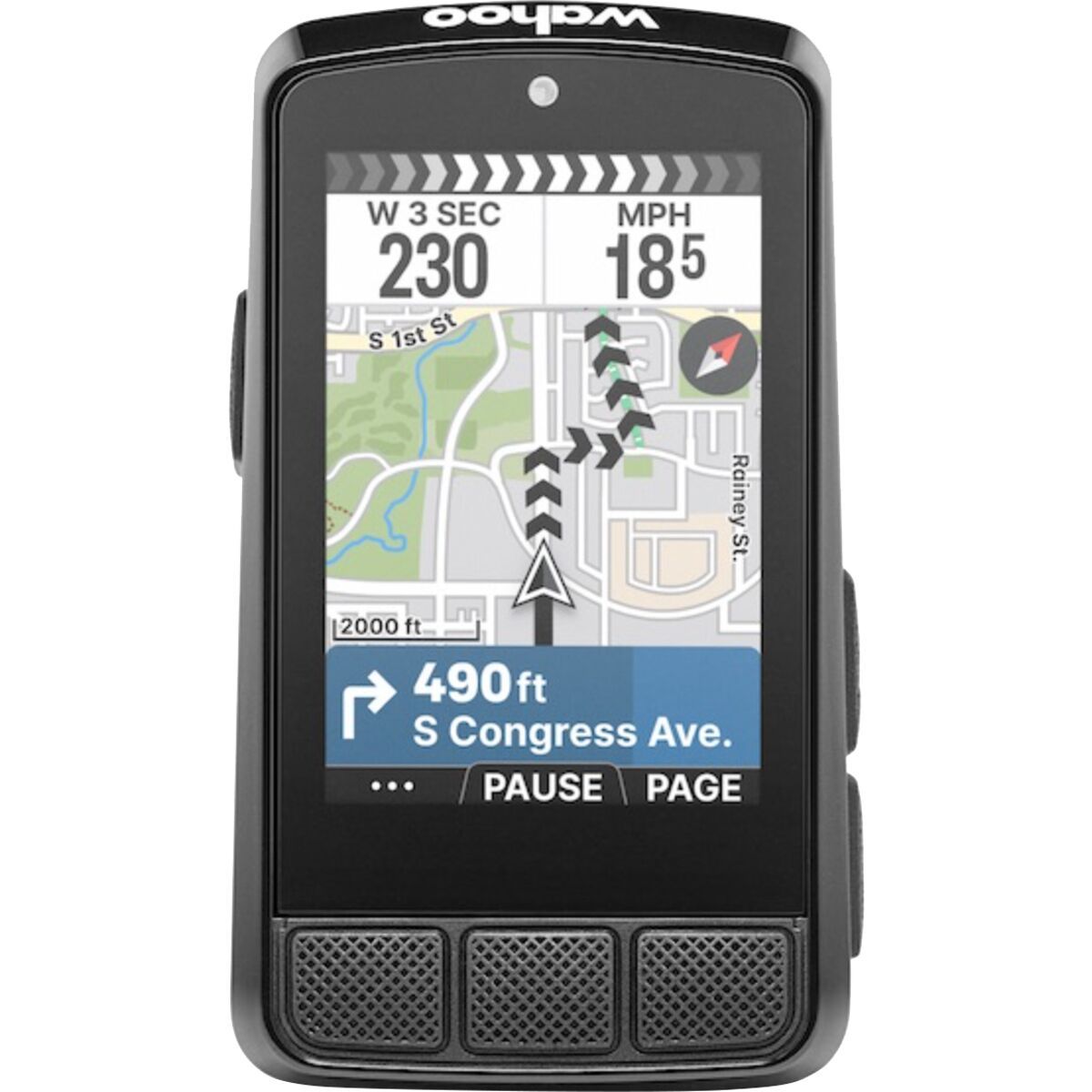
Wahoo ELEMNT BOLT 3
Track your rides with Wahoo's compact GPS — the bike computer we use daily.