Heart Rate Variability (HRV) Complete Guide 2026
Everything you need to know about HRV: what it is, how to measure it accurately, optimal ranges by age, using HRV for training readiness, and the best devices for tracking. Transform how you approach recovery and training decisions.
Updated 2026 · By the RunBikeCalc Team
Key Takeaways
What HRV Measures
The variation in time between heartbeats, reflecting your autonomic nervous system balance and recovery capacity
Why It Matters
Higher HRV generally indicates better fitness, recovery, and readiness to train hard
Best Time to Measure
First thing in the morning, before getting out of bed, in consistent conditions
What to Track
Your personal baseline and 7-day trends matter more than any single reading or population average
The Quick Answer
Heart Rate Variability (HRV) measures the variation in time between consecutive heartbeats and reflects your autonomic nervous system's state. Higher HRV generally indicates better cardiovascular fitness, effective recovery, and readiness to train. Lower HRV suggests accumulated stress, incomplete recovery, or illness. The key isn't achieving a specific number—it's understanding your personal baseline and how it responds to training, sleep, stress, and lifestyle factors. Morning HRV measurement, tracked consistently over weeks and months, becomes one of the most powerful tools for optimizing training and avoiding overtraining.
What's in This Guide
- What Is Heart Rate Variability (HRV)?
- How to Measure HRV Accurately
- Optimal HRV Ranges by Age
- HRV and Training Readiness
- Best Devices for HRV Tracking
- How to Improve Your HRV
- Morning HRV Measurement Protocol
- Understanding HRV Metrics: RMSSD, SDNN, and More
- Factors That Affect HRV
- Frequently Asked Questions
What Is Heart Rate Variability (HRV)?
Heart Rate Variability (HRV) measures the variation in time intervals between consecutive heartbeats. Despite what the name suggests, this isn't about your heart rate itself—it's about the subtle fluctuations in the timing between beats. A heart rate of 60 BPM doesn't mean your heart beats exactly once per second; the intervals might be 0.9 seconds, then 1.1 seconds, then 0.95 seconds. HRV quantifies these variations.
These variations are controlled by your autonomic nervous system (ANS), which has two branches:
Parasympathetic ("Rest and Digest")
- Promotes recovery and relaxation
- Slows heart rate
- Increases HRV (more variation)
- Active during sleep and recovery
- Associated with better adaptation to training
Sympathetic ("Fight or Flight")
- Responds to stress and exertion
- Increases heart rate
- Decreases HRV (less variation)
- Active during exercise and stress
- Necessary for performance but needs balance
A healthy, well-recovered body shows high HRV—the parasympathetic system can modulate heart rhythm freely, creating natural variation. When you're stressed, overtrained, or fighting illness, the sympathetic system dominates, reducing variability and lowering HRV.
Why Athletes Care About HRV
For athletes, HRV serves as an objective window into recovery status. Subjective feelings of fatigue are unreliable—you might feel fine while your body is actually accumulating stress. HRV provides data that can:
- Predict training readiness: Low HRV often precedes performance drops and illness
- Prevent overtraining: Consistently suppressed HRV signals excessive training load
- Optimize training timing: High HRV days are ideal for hard sessions; low HRV suggests recovery focus
- Quantify lifestyle impacts: See exactly how alcohol, travel, stress, and sleep affect your body
- Track fitness improvements: Rising baseline HRV indicates improved cardiovascular fitness
The Key Insight
HRV isn't about comparing yourself to others—it's about understanding your personal patterns. An HRV of 45ms might be excellent for one person and concerning for another. What matters is your baseline and how it changes in response to training and recovery.
How to Measure HRV Accurately
Accurate HRV measurement requires consistent methodology. Small variations in measurement conditions can significantly affect readings, making trends difficult to interpret. Here's how to get reliable data:
Measurement Methods Ranked by Accuracy
1. ECG/EKG (Gold Standard)
Medical-grade electrocardiography provides the most accurate HRV data by directly measuring electrical signals. Used in research and clinical settings. Chest strap heart rate monitors approximate this method.
2. Chest Strap + HRV App
A quality chest strap (Polar H10, Garmin HRM-Pro Plus) paired with an HRV app (Elite HRV, HRV4Training) provides near-ECG accuracy. Best for single morning measurements. Accuracy: ±1-2ms RMSSD.
3. Dedicated HRV Wearables (WHOOP, Oura)
24/7 optical sensors measure HRV during sleep when conditions are most consistent. Less accurate per-measurement than chest straps, but automated tracking improves compliance and catches trends effectively.
4. GPS Watches with HRV Features
Garmin, Apple Watch, and others now include HRV tracking via wrist optical sensors. Accuracy varies by device and conditions. Best for trend tracking rather than precise measurements.
5. Smartphone Camera Apps
Apps that use your phone's camera to detect pulse from your fingertip can provide HRV data. Accuracy is limited but can be useful for free entry into HRV tracking.
Critical Factors for Accurate Measurement
- Consistency: Measure at the same time, position, and duration every day. Morning upon waking is ideal.
- Position: Supine (lying on back) provides the most stable readings. Seated is acceptable but produces different values.
- Duration: Minimum 1 minute for RMSSD; 5 minutes provides more stable readings. Some devices use overnight averages.
- Breathing: Natural breathing is generally preferred for morning readiness assessments. Some protocols use paced breathing.
- Environment: Avoid caffeine, food, or phone checking before measurement. Temperature and noise should be consistent.
What Not to Do
- Don't compare devices: Different devices use different algorithms and produce different numbers
- Don't obsess over single readings: Daily fluctuation is normal; focus on weekly trends
- Don't measure after coffee: Caffeine suppresses HRV and skews recovery assessment
- Don't change measurement timing: Evening HRV is vastly different from morning HRV
- Don't ignore context: Always log contributing factors (sleep, alcohol, stress, training)
Optimal HRV Ranges by Age
HRV naturally decreases with age due to changes in cardiovascular and nervous system function. Population averages provide context, but remember: your personal baseline matters more than how you compare to others. A 50-year-old with an HRV of 35ms who maintains that consistently is healthier than someone whose HRV fluctuates wildly.
| Age Range | Average RMSSD (ms) | Elite Athlete Range | Notes |
|---|---|---|---|
| 18-25 | 55-105 | 80-140+ | Peak HRV years; high variability common |
| 26-35 | 45-85 | 70-120 | Gradual decline begins; fitness maintains levels |
| 36-45 | 35-70 | 55-100 | Lifestyle factors increasingly important |
| 46-55 | 25-55 | 45-80 | Aerobic training can slow decline significantly |
| 56-65 | 20-45 | 35-65 | Recovery takes longer; consistency key |
| 65+ | 15-35 | 25-50 | Active seniors often exceed sedentary younger adults |
Important Context
These ranges are population averages for RMSSD measured in controlled conditions. Your device may report different metrics (HRV Score, SDNN, ln(RMSSD)) that don't directly compare to these numbers.
What matters: Establish your own baseline over 2-4 weeks of consistent measurement, then track deviations from that baseline.
Factors That Explain Individual Variation
Higher HRV Associated With:
- Regular aerobic exercise
- Consistent quality sleep (7-9 hours)
- Healthy body composition
- Low chronic stress
- Minimal alcohol consumption
- Good hydration
- Genetic factors
Lower HRV Associated With:
- Sedentary lifestyle
- Poor or insufficient sleep
- Chronic stress (work, relationships, financial)
- Overtraining
- Illness or infection
- Excessive alcohol
- Certain medications
Gender Differences
Research shows women tend to have slightly higher HRV than men of the same age until menopause, when values converge. Women also experience HRV fluctuations related to the menstrual cycle—HRV is typically higher during the follicular phase (before ovulation) and lower during the luteal phase (after ovulation). Tracking cycle phase alongside HRV helps contextualize variations.
HRV and Training Readiness
HRV's greatest practical application for athletes is assessing daily training readiness. Rather than following a rigid training plan regardless of how your body is responding, HRV allows you to modulate training based on actual recovery status.
How to Interpret Your HRV for Training Decisions
HRV at or Above Baseline (+/- 5%)
Interpretation: Well recovered, autonomic nervous system balanced
Training recommendation: Proceed with planned training. Good day for high-intensity intervals, long runs, or hard workouts. Your body can handle the stress.
HRV Moderately Suppressed (10-20% below baseline)
Interpretation: Incomplete recovery, some accumulated stress
Training recommendation: Consider reducing intensity or volume. Zone 2 aerobic work is fine. Save the hard intervals for a day with better recovery status.
HRV Significantly Suppressed (20%+ below baseline)
Interpretation: High stress load, poor recovery, potential illness onset
Training recommendation: Prioritize recovery. Light movement (walking, easy spin) or complete rest. Pushing hard could lead to illness, injury, or overtraining.
HRV Unusually High (15%+ above baseline)
Interpretation: Strong recovery (positive) or possible parasympathetic overactivation
Training recommendation: Usually a great training day. However, if consistently elevated after hard training blocks, may indicate functional overreaching—the body trying to recover aggressively.
HRV-Guided Training: The Research
Multiple studies have compared HRV-guided training to traditional pre-planned training. The findings are compelling:
- Kiviniemi et al. (2007): Runners using HRV-guided training improved VO2max more than those following fixed plans, despite doing less total training volume
- Vesterinen et al. (2016): HRV-guided training produced superior 10K performance improvements compared to predefined training
- Nuuttila et al. (2021): HRV-guided athletes had fewer overtraining symptoms and better maintained immune function
Practical HRV-Guided Training Framework
- Establish baseline: Measure HRV consistently for 2-4 weeks to determine your normal range
- Set thresholds: Define what "low," "normal," and "high" mean for you (typically ±15-20% from baseline)
- Create flexible plans: Design training weeks with required key sessions but flexibility on easy days
- Adjust based on HRV: Move hard sessions to high-HRV days; convert to recovery on low-HRV days
- Track outcomes: Note how HRV-based decisions correlate with workout quality and long-term progress
When to Override HRV Data
HRV is a tool, not a dictator. Sometimes you should train despite low HRV:
- Race day: Pre-race anxiety may suppress HRV, but you're still racing
- Functional overreaching: Planned hard training blocks will temporarily suppress HRV
- Single outlier readings: One bad night's sleep doesn't require a rest day if you feel fine
- External factors you understand: Travel, time zone changes, or unusual circumstances
Best Devices for HRV Tracking
The best HRV device is the one you'll actually use consistently. Different devices suit different preferences—some athletes prefer morning chest strap readings while others want passive overnight tracking. Here are our top picks for 2026:
Garmin Forerunner 265
GPS running watch with morning HRV status tracking, training readiness scores, and the ability to pair with chest straps for maximum accuracy.
Why It's Great for HRV
- +Morning HRV Status tracks trends automatically
- +Training Readiness score combines HRV, sleep, and load
- +Pairs with chest straps for improved accuracy
- +No subscription required
- +Full GPS watch functionality
Limitations
- -Wrist-based HRV less accurate than chest strap
- -HRV Status needs 2-3 weeks to calibrate
- -Bulkier for sleep than dedicated trackers
Garmin's HRV implementation is deeply integrated into their Training Readiness ecosystem. The watch measures HRV during sleep, calculates a 7-day baseline, and presents a simple color-coded status each morning. Combined with sleep tracking and training load data, it provides actionable daily guidance without requiring manual measurements.
WHOOP 4.0
24/7 HRV monitoring with the most sophisticated recovery algorithms available. Strain tracking, sleep coaching, and journal insights for serious athletes.
Why It's Great for HRV
- +Most sophisticated recovery algorithms
- +Strain tracking quantifies daily stress
- +Sleep performance metrics are excellent
- +Journal feature correlates behaviors with HRV
- +Comfortable for 24/7 wear
Limitations
- -$30/month subscription adds up ($360/year)
- -No screen—requires phone for all data
- -Overkill for casual fitness users
- -12-24 month subscription commitment
WHOOP pioneered the recovery-focused wearable category and remains the leader for athletes who want maximum insight into their HRV and recovery. The Recovery score synthesizes HRV, resting heart rate, respiratory rate, and sleep to produce a daily percentage that accurately predicts training readiness. The journal feature lets you log behaviors (alcohol, supplements, stress) and see their statistical impact on your recovery.
Oura Ring Gen 3
Sleep and HRV tracking in a discreet ring form factor. Excellent readiness scores and the most comfortable option for 24/7 wear.
Why It's Great for HRV
- +Most accurate sleep staging
- +Finger arteries provide cleaner pulse signal
- +Completely discreet—looks like jewelry
- +Excellent readiness score accuracy
- +4-7 day battery life
Limitations
- -$299 upfront + $6/month subscription
- -Limited workout tracking
- -Must size correctly—not adjustable
- -Can't wear during weight training
Oura's ring form factor provides surprisingly accurate HRV data thanks to the cleaner pulse signals from finger arteries compared to wrist sensors. The Readiness score combines HRV, body temperature, sleep quality, and activity balance into an actionable daily number. For people who want HRV tracking without looking like they're wearing fitness tech, Oura is unmatched.
For maximum accuracy on a budget, a chest strap paired with a dedicated HRV app remains the gold standard. The Polar H10 measures electrical signals like an ECG, providing RMSSD accuracy within 1-2ms of medical equipment. Apps like Elite HRV (free) or HRV4Training ($10) provide excellent visualization and trend analysis. The tradeoff is manual morning measurements rather than automatic overnight tracking.
Device Comparison Summary
| Device | HRV Accuracy | Measurement Type | Best For | Cost |
|---|---|---|---|---|
| Garmin Forerunner 265 | Good | Automatic overnight | Runners wanting GPS + HRV | $449 one-time |
| WHOOP 4.0 | Very Good | 24/7 continuous | Serious athletes | $30/month |
| Oura Ring Gen 3 | Very Good | Automatic overnight | Discreet sleep focus | $299 + $6/mo |
| Polar H10 + App | Excellent | Manual morning | Accuracy on budget | $89 one-time |
How to Improve Your HRV
Improving HRV isn't about quick fixes—it's about sustainable lifestyle optimization. The good news: the same factors that improve HRV also improve athletic performance, longevity, and quality of life. Here are evidence-based strategies ranked by impact:
1. Optimize Sleep (Highest Impact)
Sleep quality affects HRV more than almost any other single factor. During deep sleep, your parasympathetic nervous system dominates, and HRV naturally increases. Poor sleep disrupts this process.
Sleep Optimization Strategies:
- Maintain consistent sleep and wake times (even on weekends)
- Aim for 7-9 hours of actual sleep, not just time in bed
- Keep bedroom cool (65-68°F / 18-20°C)
- Eliminate light sources—blackout curtains, no LEDs
- Stop caffeine after 2pm (half-life is 5-6 hours)
- Avoid alcohol within 3 hours of bed (it suppresses REM sleep)
- Limit screen exposure 1-2 hours before sleep
2. Aerobic Exercise (High Impact)
Consistent aerobic training is one of the most reliable ways to increase baseline HRV. Zone 2 training (conversational pace) particularly develops the parasympathetic capacity that underlies high HRV.
Exercise Guidelines for HRV Improvement:
- Aim for 150+ minutes of moderate aerobic exercise weekly
- Include 2-3 sessions of Zone 2 training (60-70% max HR)
- Progress gradually—excessive training suppresses HRV short-term
- Balance hard training with adequate recovery
- Consider HRV-guided training to optimize intensity timing
3. Stress Management (High Impact)
Chronic psychological stress keeps your sympathetic nervous system activated, suppressing HRV just like physical overtraining. Managing mental stress is essential for HRV optimization.
Stress Management Techniques:
- Breathwork: 5-10 minutes of slow, deep breathing activates parasympathetic response
- Meditation: Regular practice (even 10 min/day) improves HRV over time
- Nature exposure: Time outdoors reduces cortisol and improves HRV
- Social connection: Positive relationships buffer stress responses
- Boundaries: Protect recovery time from work and digital intrusion
4. Nutrition and Hydration (Moderate Impact)
- Avoid large meals before bed: Digestion activates sympathetic nervous system
- Maintain hydration: Dehydration suppresses HRV
- Limit alcohol: Even moderate consumption suppresses HRV for 24-72 hours
- Consider omega-3s: Fish oil supplementation may modestly improve HRV
- Minimize processed foods: Inflammation negatively affects HRV
5. Cold Exposure (Emerging Evidence)
Cold water immersion, cold showers, and cold plunges activate the parasympathetic nervous system through the "dive reflex." Regular cold exposure may improve HRV over time, though research is still developing.
Note: Acute cold exposure temporarily increases HRV, but the long-term adaptation benefits require consistent practice over weeks to months. Start gradually—1-2 minute cold showers before progressing to longer exposure.
Timeline for HRV Improvement
Morning HRV Measurement Protocol
Consistent measurement methodology is essential for meaningful HRV data. Small variations in conditions can significantly affect readings. Follow this protocol for reliable morning measurements:
Step-by-Step Morning Protocol
Wake Up Naturally (When Possible)
Alarm clocks can trigger a sympathetic response. If you must use an alarm, allow 2-3 minutes of quiet wakefulness before measuring. Consistency matters more than perfection.
Stay in Bed, Lying Down
Remain supine (on your back) with arms relaxed at your sides. Don't check your phone, get up to use the bathroom, or engage in any activity that raises your heart rate.
Apply Your Measurement Device
If using a chest strap, put it on and moisten the electrodes with water or saliva for better contact. If using a wearable that tracks overnight, skip to step 5.
Breathe Naturally
Don't try to control your breathing. Natural, relaxed breathing provides the most authentic reflection of your parasympathetic state. Some protocols use guided breathing—stay consistent with whichever approach you choose.
Record for Recommended Duration
Most apps recommend 1-3 minute readings. Longer readings (5 minutes) provide more stable data but aren't always practical. Use the same duration every day.
Log Contributing Factors
Note anything that might affect your reading: sleep quality (1-10), alcohol consumed, unusual stress, illness symptoms, training load yesterday, menstrual cycle phase. This context helps interpret variations.
Common Mistakes to Avoid
- Checking phone first: Social media or email can trigger stress responses before measurement
- Measuring after coffee: Caffeine significantly suppresses HRV
- Inconsistent timing: Measuring at 6am one day and 9am the next creates noise
- Standing vs. lying: Posture dramatically affects HRV—stay consistent
- Rushing the measurement: Allow enough time for your body to settle
- Ignoring context: Raw numbers without contextual logging are less useful
Understanding HRV Metrics: RMSSD, SDNN, and More
Different devices and apps report HRV using different metrics, which can be confusing when comparing across platforms. Here's what each metric means and when to use it:
RMSSD (Root Mean Square of Successive Differences)
What it measures: The variation between consecutive heartbeats, specifically reflecting parasympathetic (vagal) activity.
Why it matters: RMSSD is the most useful metric for recovery assessment because it captures the rapid, beat-to-beat changes controlled by the vagus nerve.
Typical values: 20-100+ ms depending on age, fitness, and individual variation. Higher is generally better.
SDNN (Standard Deviation of NN Intervals)
What it measures: The overall variation in heartbeat intervals over the measurement period, reflecting both sympathetic and parasympathetic activity.
Why it matters: SDNN provides a broader picture of autonomic function but is more affected by measurement duration and conditions.
Typical values: Generally higher than RMSSD. Requires standardized conditions (often 5-minute or 24-hour recordings) for meaningful comparison.
ln(RMSSD) or lnRMSSD
What it measures: The natural logarithm of RMSSD, which normalizes the data distribution.
Why it matters: Raw RMSSD values can vary dramatically between individuals. Log transformation makes the data more normally distributed and easier to compare across populations.
Typical values: Usually ranges from 2.5 to 4.5, with higher values indicating better recovery.
HRV Score (Proprietary)
What it measures: A proprietary calculation that varies by device—often scaled to 0-100 for easier interpretation.
Why it matters: Easier to understand at a glance, but not comparable between different devices or platforms.
Typical values: Depends entirely on the device algorithm. Only compare scores from the same device over time.
Practical Guidance
For most athletes, the specific metric matters less than consistent tracking with the same device. Pick one platform and stick with it. RMSSD is the most widely used research metric for recovery tracking, but any consistent measurement provides useful trend data.
Factors That Affect HRV
Understanding what influences HRV helps you interpret your data and identify areas for improvement. These factors range from acute (affecting today's reading) to chronic (affecting your baseline over time).
Factors That Decrease HRV
- Poor sleep: Both duration and quality matter significantly
- Alcohol: Even moderate consumption suppresses HRV for 24-72 hours
- Overtraining: Accumulated training stress without adequate recovery
- Psychological stress: Work, relationships, finances, anxiety
- Illness: Your body fighting infection suppresses HRV
- Dehydration: Reduced blood volume affects heart rhythm
- Travel: Time zone changes, disrupted routine, airplane dehydration
- Large meals: Digestion activates sympathetic nervous system
- Excessive caffeine: Stimulant effect reduces variability
- High altitude: Reduced oxygen increases heart rate, reduces HRV
Factors That Increase HRV
- Quality sleep: Deep, uninterrupted 7-9 hour sleep
- Aerobic fitness: Regular Zone 2 training improves baseline
- Adequate recovery: Rest days after hard training
- Stress management: Meditation, breathwork, nature exposure
- Proper hydration: Maintained electrolyte balance
- Cold exposure: Activates parasympathetic dive reflex
- Social connection: Positive relationships buffer stress
- Light evening meals: Avoiding digestion during sleep
- Consistent routine: Regular sleep/wake times, predictable schedule
- Accumulated fitness: Months of consistent training
Individual Variation
Some people naturally have higher or lower HRV due to genetics, age, and body composition. Factors include:
- Age: HRV naturally decreases with age
- Gender: Women tend to have slightly higher HRV until menopause
- Genetics: Some people are naturally more parasympathetically dominant
- Fitness level: Trained athletes have higher baseline HRV
- Body composition: Excess body fat is associated with lower HRV
- Medications: Beta blockers and some other medications affect HRV
Frequently Asked Questions
What is a good HRV score?
A "good" HRV score is highly individual and depends on age, fitness level, and genetics. Generally, higher HRV indicates better cardiovascular fitness and recovery capacity. For adults, average RMSSD values range from 20-60ms, with athletes often seeing 60-100ms or higher. Rather than comparing to population norms, focus on tracking your personal baseline and trends over time.
When is the best time to measure HRV?
The best time to measure HRV is immediately upon waking, before getting out of bed, and before consuming caffeine. This ensures consistent conditions and captures your parasympathetic (rest-and-digest) nervous system state. Morning measurements provide the most reliable baseline for tracking recovery and training readiness.
Why does my HRV fluctuate so much day to day?
Day-to-day HRV fluctuation is normal and reflects your body's response to various stressors including training load, sleep quality, alcohol consumption, illness, travel, work stress, and hydration. Fluctuations of 10-30% from your baseline are common. Look at 7-day rolling averages rather than single readings to identify meaningful trends.
Is higher HRV always better?
Generally yes, but context matters. Consistently high HRV indicates good cardiovascular fitness and recovery capacity. However, abnormally high HRV readings can sometimes indicate parasympathetic overactivation, which can occur during overreaching or illness onset. The most important thing is tracking your personal baseline and understanding what's normal for you.
How long does it take to see HRV improvements from training?
Most people see measurable HRV improvements within 4-8 weeks of consistent aerobic training. The timeline depends on your starting fitness, training volume and intensity, sleep quality, and stress management. Significant improvements in baseline HRV (10-20% increase) typically require 3-6 months of consistent training and lifestyle optimization.
Can I use HRV to know when to take a rest day?
Yes, HRV is one of the best objective markers for training readiness. When your HRV drops significantly below your baseline (typically 15-20% or more), it's a signal that your body needs recovery. However, don't rely solely on HRV—combine it with subjective feelings of fatigue, sleep quality, and resting heart rate for the complete picture.
What's the difference between RMSSD, SDNN, and HRV Score?
RMSSD (Root Mean Square of Successive Differences) measures beat-to-beat variation and reflects parasympathetic activity—it's the most useful metric for recovery tracking. SDNN (Standard Deviation of NN intervals) captures overall HRV including both sympathetic and parasympathetic activity. HRV Score is a proprietary calculation that different devices compute differently, often scaled to 0-100 for easier interpretation.
Does alcohol affect HRV?
Yes, significantly. Even moderate alcohol consumption (2-3 drinks) can suppress HRV by 20-40% for 24-72 hours. Alcohol disrupts sleep architecture, increases resting heart rate, and shifts your nervous system toward sympathetic (fight-or-flight) dominance. Many athletes use HRV tracking to quantify alcohol's impact on their recovery.
Is wrist-based HRV as accurate as chest strap measurement?
Wrist-based optical sensors have improved significantly but are still less accurate than chest straps or ECG devices for HRV measurement. For tracking trends over time, wrist-based devices like WHOOP, Oura Ring, and Apple Watch provide useful data. For research-grade accuracy or single-point measurements, chest straps like the Polar H10 paired with HRV apps are more reliable.
Why is my HRV lower on weekends?
Common reasons include alcohol consumption on Friday/Saturday nights, disrupted sleep schedules (staying up later, sleeping in), different eating patterns, and accumulated training fatigue from the week. If you notice consistent weekend drops, examine which lifestyle factors might be contributing and consider whether your weekend recovery habits support your training goals.
Can stress at work lower my HRV even without physical training?
Absolutely. Psychological stress activates the same sympathetic nervous system response as physical stress. Chronic work stress, relationship issues, financial worries, and even excessive screen time can suppress HRV. This is why HRV is considered a marker of total body stress load, not just training stress. Managing mental stress is as important as managing training load for optimal HRV.
Should I skip my workout if my HRV is low?
Not necessarily. A single low HRV reading shouldn't automatically cancel your workout. Consider: How low is it compared to your baseline? How do you feel subjectively? What caused the drop (poor sleep vs. hard training yesterday)? If HRV is moderately suppressed but you feel okay, consider reducing intensity or volume. If HRV is significantly suppressed (20%+ below baseline) for multiple days, prioritize recovery.
How does sleep affect HRV?
Sleep quality is one of the biggest factors affecting HRV. Poor sleep—whether from insufficient duration, disrupted sleep stages, or sleep disorders—suppresses HRV significantly. During deep sleep, HRV naturally increases as the parasympathetic nervous system dominates. Improving sleep hygiene often produces the most dramatic HRV improvements, sometimes more than training changes.
What causes a sudden spike in HRV?
Sudden HRV spikes can result from excellent sleep, complete rest days, return to baseline after illness recovery, adaptation to training (supercompensation), or measurement conditions (lying vs. sitting, breathing patterns). Occasional high readings are positive, but consistently elevated HRV after hard training blocks might indicate parasympathetic overactivation associated with overreaching—where recovery has exceeded the training stimulus.
The Bottom Line
Heart Rate Variability is one of the most powerful tools available for understanding your body's recovery status and optimizing training. By measuring the variation between heartbeats, HRV provides an objective window into your autonomic nervous system—revealing whether you're recovered and ready to train hard, or stressed and needing recovery.
The key to effective HRV tracking is consistency. Use the same device, measure at the same time (ideally first thing in the morning), and track trends rather than obsessing over individual readings. Establish your personal baseline over 2-4 weeks, then use deviations from that baseline to guide training decisions.
For most athletes, the WHOOP 4.0 provides the most actionable HRV-based insights through its sophisticated recovery algorithms. For runners who want a full GPS watch with HRV features, the Garmin Forerunner 265 offers excellent integration. For maximum accuracy on a budget, a Polar H10 chest strap paired with an HRV app provides near-ECG-level data.
Remember: improving HRV isn't about quick fixes. The same lifestyle factors that improve HRV—quality sleep, consistent aerobic training, stress management, and moderate alcohol consumption—also improve athletic performance and overall health. HRV tracking simply quantifies what your body already knows.
Related Tools and Guides
Heart Rate Zone Calculator
Calculate your optimal training zones based on max heart rate or lactate threshold
Max Heart Rate Calculator
Estimate your maximum heart rate using multiple formulas
Best Fitness Trackers 2026
WHOOP, Oura, Garmin, and Fitbit compared for recovery tracking
Best Heart Rate Monitors 2026
Chest straps and arm bands for accurate heart rate data
Recovery Training Guide
How to optimize recovery between workouts
Zone 2 Training Guide
Build aerobic base and improve HRV with low-intensity training
Featured at Backcountry — 15% off first order
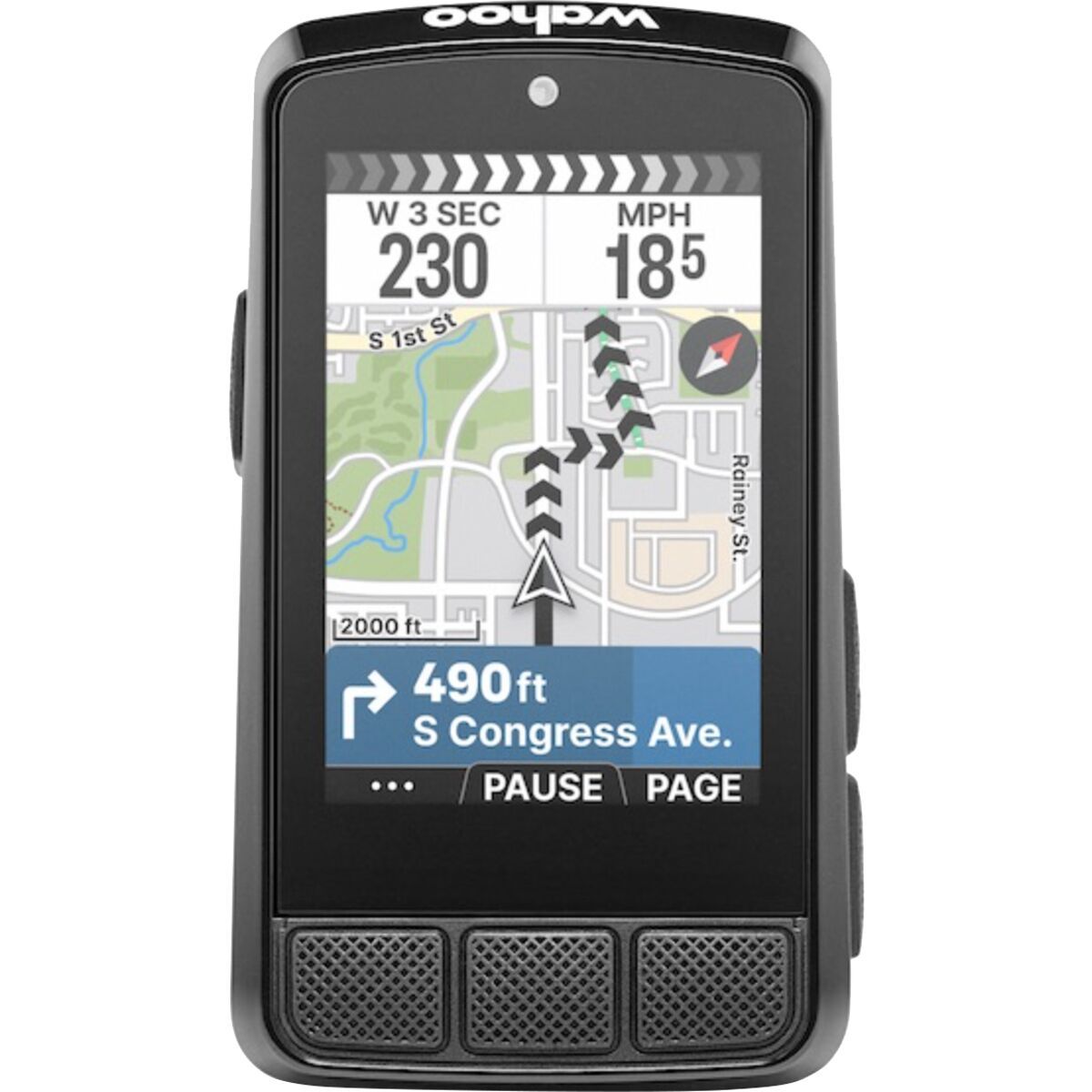
Wahoo ELEMNT BOLT 3
Pair with any ANT+ or Bluetooth HR monitor. Displays training zones in real time.