Spring Marathon Training Checklist 2026: 16-Week Countdown to Race Day
Your complete week-by-week marathon preparation guide with training milestones, gear checklists, taper protocols, and race day preparation. Everything you need to cross the finish line strong.
Updated 2026 | By the RunBikeCalc Team
The Quick Answer: Marathon Training Timeline
A successful spring marathon requires 16-20 weeks of structured preparation. Start in December or January for April-May marathons. The training breaks into four phases: base building (weeks 16-13), building phase (weeks 12-9), peak training (weeks 8-5), and taper (weeks 4-1). Use this checklist to ensure nothing falls through the cracks as you prepare for 26.2 miles.
What's in This Guide
Complete Marathon Gear Checklist
Having the right gear is essential for comfortable training and successful racing. Purchase and test all gear early in your training cycle - never use anything new on race day.
Running Shoes
Training Shoes (2-3 Pairs)
Cushioned, durable shoes for the majority of your training miles. Rotate between pairs to extend shoe life.
- Well-cushioned for high mileage
- Durable outsole (300-500 mile lifespan)
- Good fit with room for swelling
- Break in fully before race
Racing Shoes (1 Pair)
Lighter, more responsive shoes for race day. Carbon-plated super shoes offer proven efficiency gains.
- Carbon plate for energy return
- Lighter weight than trainers
- Break in with 3-4 training runs
- Test in long run before race
GPS Running Watch
GPS Running Watch
Essential for pacing, training tracking, and race day execution. Choose a watch with reliable GPS and good battery life.
Must-Have Features
- Accurate GPS tracking
- Current pace display
- Heart rate monitoring
- 6+ hour battery life
- Lap/split functionality
Nice-to-Have Features
- Training load metrics
- Recovery recommendations
- Course navigation
- Music storage
- Custom data screens
Running Apparel
Cold Weather (30-50F)
- Long sleeve base layer
- Running tights or pants
- Lightweight gloves
- Ear warmer or light hat
- Wind-resistant jacket
Moderate (50-65F)
- Short sleeve or singlet
- Shorts or capris
- Arm sleeves (removable)
- Light gloves (optional)
- Rain jacket (if needed)
Warm (65F+)
- Singlet or light tank
- Split shorts
- Visor or light cap
- Sunglasses
- Sunscreen
Race Day Apparel Rule
Dress for 15-20 degrees warmer than the starting temperature. You'll warm up quickly once running. Wear throw-away layers at the start that you can discard once warm. Never wear anything on race day that you haven't tested in training.
Race Nutrition & Hydration
Nutrition Gear Checklist
Energy Products
- Energy gels (6-8 for race + training)
- Energy chews (alternative option)
- Sports drink mix
- Electrolyte tablets
- Race belt or shorts with gel storage
Training Hydration
- Hydration vest (for long runs)
- Handheld bottle
- Running belt with bottles
- Collapsible soft flask
Additional Essential Gear
Body Care
- Anti-chafe balm (Body Glide, Squirrel's Nut Butter)
- Nipple covers or tape (especially for men)
- Blister prevention tape (KT Tape, Leukotape)
- Sunscreen (sweat-resistant SPF 30+)
Recovery Gear
- Foam roller
- Massage gun (optional)
- Compression socks
- Ice packs or cold therapy
Visibility & Safety
- Headlamp (for early/late runs)
- Reflective vest or gear
- Road ID or ID bracelet
- Phone armband or running belt
Race Day Extras
- Throwaway layers (old sweatshirt)
- Arm warmers (removable)
- Small towel
- Safety pins for bib
16-Week Marathon Training Countdown
This week-by-week checklist ensures you're on track for race day. Check off items as you complete them to stay organized and prepared.
Weeks 16-13: Base Building Phase
Focus on establishing consistent training habits and building aerobic foundation.
Training Checklist
- Complete 3-4 easy runs per week
- Build long run from 10 to 14 miles
- Add 1 quality workout per week
- Establish weekly running schedule
- Practice post-run nutrition
Gear & Planning Checklist
- Purchase/break in training shoes
- Get fitted for race day shoes
- Confirm race registration
- Start testing nutrition products
- Establish training paces (calculator)
Weeks 12-9: Building Phase
Increase training load and add marathon-specific workouts.
Training Checklist
- Increase weekly mileage 10% each week
- Add tempo runs (20-40 min at threshold)
- Build long runs to 16-18 miles
- Practice race-day nutrition during long runs
- Include one recovery week (reduce 25%)
Logistics Checklist
- Book race weekend accommodation
- Arrange travel to race city
- Study race course profile
- Dial in race nutrition plan
- Get all apparel for race conditions
Weeks 8-5: Peak Training Phase
Reach peak training load with longest runs and marathon-pace work.
Training Checklist
- Complete 20+ mile long run(s)
- Include marathon pace segments in long runs
- Reach peak weekly mileage
- Tune-up race or time trial (optional)
- One recovery week after peak long run
Final Preparation Checklist
- Test complete race day outfit
- Finalize pacing strategy (predictor)
- Practice race morning routine
- Plan race day logistics
- Break in race day shoes (3-4 runs)
Weeks 4-2: Taper Phase
Reduce volume while maintaining sharpness. Focus on recovery and preparation.
Training Checklist
- Week 4: Reduce volume by 20-25%
- Week 3: Reduce volume by 40-50%
- Week 2: Reduce volume by 60%
- Maintain some faster running (strides)
- Prioritize sleep and recovery
Final Preparations Checklist
- Confirm all travel arrangements
- Print/save race confirmation
- Prepare race day gear bag
- Know packet pickup details
- Review race day schedule
Key Training Milestones
Track these key milestones to ensure your training is progressing appropriately.
| Milestone | When | What It Tests |
|---|---|---|
| First 14-Mile Long Run | Week 13-12 | Aerobic base, pacing discipline |
| 30-Minute Tempo Run | Week 11-10 | Lactate threshold fitness |
| First 18-Mile Long Run | Week 9-8 | Endurance, nutrition strategy |
| Peak 20-22 Mile Long Run | Week 6-5 | Race readiness, mental preparation |
| Marathon Pace Long Run | Week 7-6 | Goal pace viability |
| Tune-Up Race (Optional) | Week 6-4 | Race simulation, pace confirmation |
Long Run Progression
Build long runs progressively: 10-12-14 (recovery week at 10) - 14-16-18 (recovery at 12) - 18-20 (or 22) - Taper. Never increase long run distance by more than 2 miles per week. Include recovery weeks with reduced long run distance every 3-4 weeks.
Taper Week Guide (Weeks 3-1)
The taper is when training adaptations solidify and your body prepares for peak performance. Trust the process - you will not lose fitness, you're gaining freshness.
Week 3 (Two Weeks Out)
- Volume: 75-80% of peak
- Long run: 12-14 miles
- Intensity: One tempo or MP run
- Feel: Still training, slightly fresher
Week 2 (One Week Out)
- Volume: 50-60% of peak
- Long run: 8-10 miles
- Intensity: Short race pace segments
- Feel: Restless, antsy (normal!)
Race Week
- Volume: 30-40% of peak
- Last real run: Wed/Thu (3-4 days out)
- Intensity: Strides only
- Feel: Fresh, ready, nervous
Taper Tips
- Sleep more: Aim for 8+ hours nightly. Sleep is your best recovery tool.
- Stay active: Don't stop completely - easy movement aids recovery.
- Avoid new activities: No heavy lifting, new sports, or excessive walking.
- Manage anxiety: Feeling antsy and doubting training is normal ("taper tantrums").
- Eat well: Maintain good nutrition - now is not the time to diet.
- Stay healthy: Avoid sick people, wash hands frequently, get flu shot early in season.
Race Week Preparation
The week before your marathon is about rest, preparation, and building confidence. Here's your day-by-day guide.
Race Week Schedule
Sunday (7 days out)
Easy 4-6 mile run with 4 strides. Prepare race gear list. Enjoy your last "normal" training day.
Monday (6 days out)
Rest or 20-30 min easy. Finalize travel arrangements. Start laying out race gear.
Tuesday (5 days out)
Easy 3-4 miles with 4-6 strides. Review race course and plan. Check weather forecast.
Wednesday (4 days out)
Easy 3-4 miles with a few race pace segments (4-6 x 1 min). Last meaningful run. Begin carb loading.
Thursday (3 days out)
Complete rest or very easy 20 min shakeout. Continue carb loading. Early to bed.
Friday (2 days out)
15-20 min easy with 4 strides. Pick up race packet. Prepare race day gear bag. Confirm race morning logistics.
Saturday (1 day out)
Complete rest or 10-15 min jog. Lay out all race gear. Eat carb-rich dinner by 6-7 PM. Sleep early (don't stress if you sleep poorly - Friday night sleep matters more).
Race Day Gear Bag Checklist
Clothing
- Race singlet/shirt
- Race shorts
- Sports bra (if applicable)
- Running socks
- Race shoes
- Arm sleeves (optional)
- Throwaway top layer
- Throwaway gloves/hat
Gear & Nutrition
- GPS watch (charged!)
- Heart rate monitor
- Race bib + pins
- Timing chip
- Energy gels (4-6)
- Race belt
- Anti-chafe products
- Nipple covers/tape
Post-Race & Extras
- Change of clothes
- Warm layers for after
- Flip flops/recovery shoes
- Compression socks
- Snacks for after
- Phone + charger
- ID/credit card/cash
- Sunglasses/visor
Race Day Execution Plan
Race morning is about executing your plan without unnecessary stress. Have every detail planned in advance.
Race Morning Timeline
Wake up. Bathroom routine. Begin hydrating (16-20 oz water).
Eat pre-race breakfast (familiar foods only: toast, bagel, banana, oatmeal).
Final bathroom. Get dressed. Apply anti-chafe products. Double-check gear bag.
Arrive at race venue. Use porta-potty. Check gear bag if applicable.
Another porta-potty visit. Stay warm with throwaway layers.
Light warmup jog (5-10 min) plus dynamic stretching and strides.
Final porta-potty if needed. Move to corral. Stay relaxed and positive.
Discard throwaway layers. Final mental preparation. Deep breaths. You're ready!
Pacing Strategy & Splits
Proper pacing is the single biggest factor in marathon success. Most first-time marathoners start too fast and pay the price in the final 10K.
The Conservative Start Strategy
- Miles 1-3: 10-15 seconds per mile SLOWER than goal pace. Let the crowd go. Feel easy.
- Miles 4-10: Settle into goal pace. Find your rhythm. Should feel controlled.
- Miles 11-16: Maintain goal pace. This is your cruise phase. Stay mentally engaged.
- Miles 17-20: The real race begins. Focus on form and effort, not pace. Take it mile by mile.
- Miles 21-24: Manage discomfort. Use mantras. Draw energy from crowds.
- Miles 25-26.2: Everything you have left. The finish line is your reward.
Set Your Goal Pace
Use our calculators to determine a realistic marathon goal based on your recent training and race performances:
Sample Pace Charts
| Goal Time | Pace/Mile | Half Split | 5K Splits |
|---|---|---|---|
| 3:00:00 | 6:52 | 1:30:00 | 21:20 |
| 3:30:00 | 8:01 | 1:45:00 | 24:55 |
| 4:00:00 | 9:09 | 2:00:00 | 28:28 |
| 4:30:00 | 10:18 | 2:15:00 | 32:00 |
| 5:00:00 | 11:27 | 2:30:00 | 35:35 |
Race Day Nutrition Plan
Proper fueling prevents the dreaded "bonk" (glycogen depletion) that hits most runners around mile 18-20. Start early and stay consistent.
Pre-Race Nutrition
Carbohydrate Loading (Final 2-3 Days)
- Goal: 7-10 grams of carbohydrates per kg of body weight per day
- Foods: Pasta, rice, bread, potatoes, oatmeal, pancakes, fruit
- Reduce: Fiber, fat, and protein slightly to make room for carbs
- Hydrate: Drink to thirst, monitor urine color (pale yellow = good)
- Note: Weight gain of 2-4 lbs is normal and expected (water stored with glycogen)
Race Morning Breakfast
- Timing: 3-4 hours before race start
- Calories: 300-500 calories of easily digestible carbohydrates
- Options: Toast with honey/jam, bagel with peanut butter, oatmeal with banana, cereal with milk
- Fluids: 16-20 oz water or sports drink with breakfast
- Rule: Nothing new - only foods tested in training
During-Race Fueling Strategy
Fuel Early and Often
- Start fueling: First gel at miles 4-5 (before you feel you need it)
- Target: 30-60 grams of carbohydrates per hour
- Timing: One gel every 30-45 minutes or at designated mile markers
- Hydration: Water or sports drink at every aid station
- Tip: Take gels with water, not sports drink (too much sugar can cause GI issues)
Sample Fueling Plan (4:00 Marathon)
| Mile | Time | Fuel |
|---|---|---|
| 5 | ~45 min | Gel #1 + water |
| 10 | ~1:30 | Gel #2 + water |
| 15 | ~2:15 | Gel #3 + water |
| 20 | ~3:00 | Gel #4 + water |
| 23-24 | ~3:30 | Final gel if tolerated |
Frequently Asked Questions
When should I start training for a spring marathon?
For a spring marathon (typically April-May), start your 16-week training plan in December or January. If your marathon is in early April, start training in mid-December. For a late May marathon, you can begin in early February. Ideally, you should have a running base of 15-25 miles per week before starting formal marathon training.
What running shoes should I use for marathon training?
Use well-cushioned daily trainers for most of your training miles. Have a rotation of 2-3 pairs to extend shoe life and prevent overuse injuries. For race day, consider a lighter, more responsive shoe with a carbon plate for improved efficiency. Break in any new shoes for at least 3-4 weeks before race day.
How should I taper for a marathon?
A proper marathon taper typically lasts 2-3 weeks. Week 3 before race: reduce mileage by 20-25%. Week 2: reduce by 40-50%. Race week: reduce by 60-70% with your last meaningful run 2-3 days before the marathon. Maintain some faster running (strides, short tempo) to keep legs sharp.
What should I eat before a marathon?
The night before, eat a familiar carbohydrate-rich dinner. Race morning, eat 3-4 hours before start time: 300-500 calories of easily digestible carbohydrates like toast with honey, oatmeal with banana, or a bagel with peanut butter. Drink 16-20 oz of water or sports drink. Only eat foods you've tested in training.
What gear do I need for marathon training?
Essential gear includes: 2-3 pairs of quality running shoes, a GPS running watch, moisture-wicking clothing for all weather, a hydration vest or belt for long runs, anti-chafe products, and running socks. Recommended additions: foam roller, compression socks, headlamp, and race day nutrition to practice during training.
How do I choose my marathon pace?
Base your marathon pace on recent race performances. A recent half marathon time is the best predictor - multiply by 2.1 to 2.2 for realistic marathon time. Practice goal pace during long runs in the final 6-8 weeks. Be conservative - running even splits or slight negative splits leads to better race experiences.
What should I do the week before a marathon?
Race week priorities: Reduce training to 50-60% of normal. Focus on sleep (8+ hours nightly). Increase carbohydrate intake in final 2-3 days. Stay hydrated but don't overdo it. Lay out all race gear. Pick up race packet early. Visualize race day success. Trust your training.
How do I fuel during a marathon?
Start fueling early - take your first gel around mile 4-5. Aim for 30-60 grams of carbohydrates per hour. This typically means one gel every 30-45 minutes. Practice your exact fueling strategy during long training runs. Take gels with water, not sports drink, to avoid GI issues.
The Bottom Line
A successful spring marathon comes down to consistent preparation over 16 weeks. Follow this checklist to ensure nothing falls through the cracks:
- Gear up early: Purchase and test all equipment well before race day
- Build progressively: Follow the 16-week structure without skipping phases
- Practice everything: Nutrition, pacing, and gear should all be tested in training
- Trust the taper: Reduced training is part of the plan, not lost fitness
- Execute conservatively: Start slow and finish strong
You've put in the work. On race day, trust your training and enjoy the experience. See you at the finish line!
Related Tools & Guides
Featured at Backcountry — 15% off first order
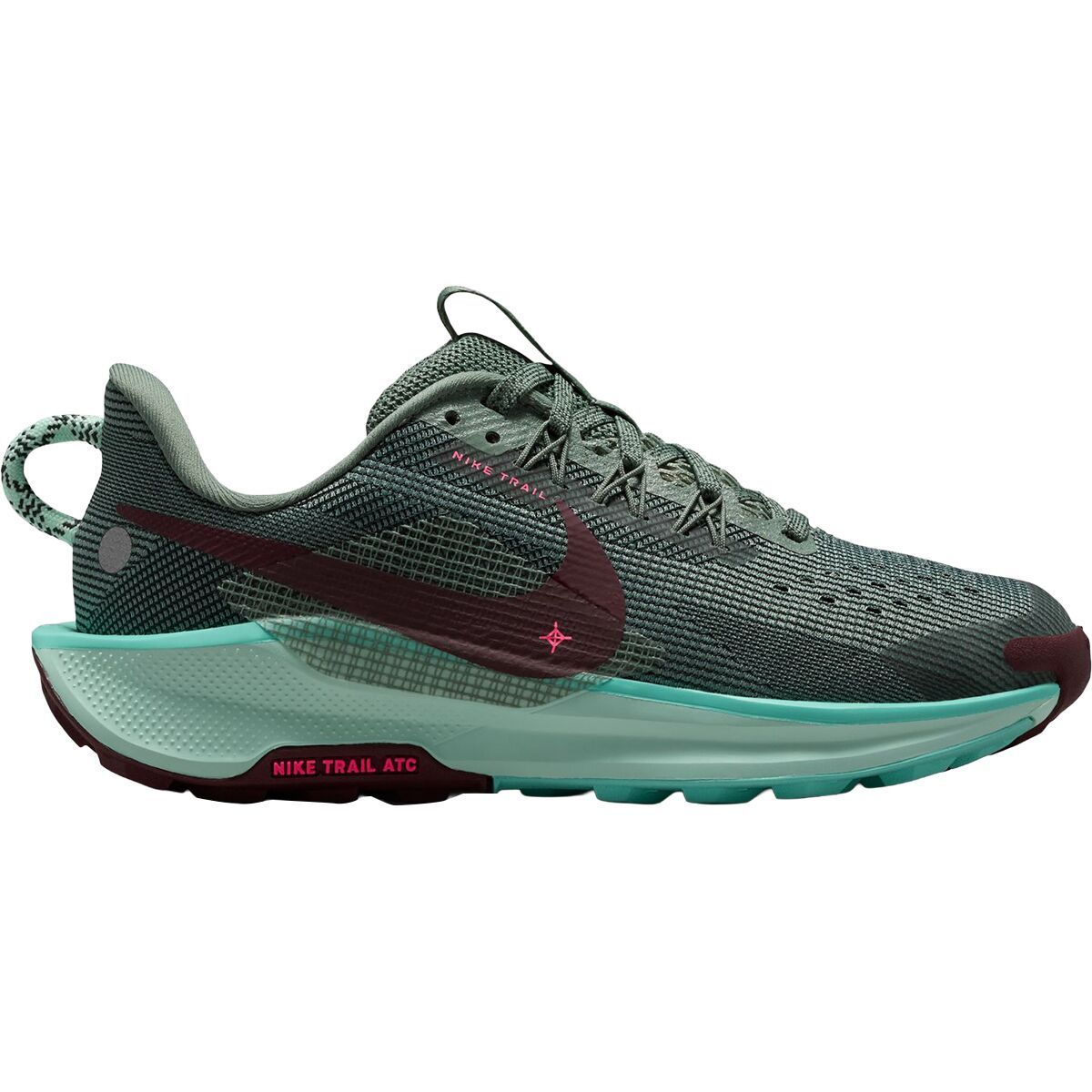
Nike Pegasus Trail 5
Our go-to trail-capable training shoe. React foam + sticky outsole.