Table of Contents
Berlin Marathon 2026 Quick Facts
Race Overview & History
The Berlin Marathon stands as the undisputed temple of fast marathon running. Since 1974, this race has evolved from a modest event to the world's premier destination for personal bests and world records. More marathon world records have fallen on Berlin's streets than any other course in history.
The course takes runners on a tour through unified Berlin's most historic neighborhoods, passing landmarks including the Victory Column, Potsdamer Platz, Checkpoint Charlie, and the iconic Brandenburg Gate finish. The city's relatively recent reunification adds profound meaning to running freely through areas once divided by the Berlin Wall.
Berlin Marathon Highlights
- * World Record Course: Site of multiple men's and women's world records
- * World Marathon Major: One of six Abbott World Marathon Majors
- * Fastest Course: Officially recognized as the world's fastest marathon
- * International Field: Runners from 130+ countries
- * Historic Finish: Through the iconic Brandenburg Gate
- * Perfect Timing: Late September offers ideal racing conditions
World Records Set in Berlin
Berlin has witnessed marathon history repeatedly:
- * Eliud Kipchoge: 2:01:09 (2022 Men's WR)
- * Tigst Assefa: 2:11:53 (2023 Women's WR)
- * Plus numerous previous world records dating back decades
Why Berlin Is the World's Fastest Marathon Course
Berlin's reputation as the fastest marathon course isn't marketing hype - it's backed by science, course design, and decades of record-breaking performances. Understanding these factors helps you train and race to maximize your PR potential.
Course Design Factors
- Minimal Elevation: Only 66 meters (217 ft) total gain - one of the flattest majors
- Wide Roads: Broad boulevards eliminate crowding and weaving
- Smooth Surfaces: Excellent road quality throughout
- Strategic Turns: Gentle curves minimize speed loss
- Downhill Finish: Slight descent into Brandenburg Gate
Environmental Factors
- Ideal Temperature: September averages 50-60°F (10-15°C)
- Low Humidity: Dry conditions reduce heat stress
- Minimal Wind: Buildings provide natural wind protection
- Sea Level: No altitude challenge
- Consistent Weather: Late September rarely sees extremes
What This Means for Your PR
Runners typically run 2-5 minutes faster in Berlin compared to hillier or more challenging major marathons. If you've been eyeing a qualifying time or personal best, Berlin offers the optimal conditions to achieve it. The course essentially "gives" you free time through its design.
Course Profile Analysis
The Berlin Marathon course is a large loop starting and finishing near the Brandenburg Gate. The route passes through 12 of Berlin's districts, offering incredible sightseeing while maintaining consistently fast running conditions.
Mile-by-Mile Breakdown
Tiergarten to Kreuzberg
Flat start through park and residential areas. Wide roads, minimal turns. Find your rhythm without going out too fast in the excitement.
Kreuzberg to Neukolln
Through vibrant neighborhoods with excellent crowd support. Slight undulation but nothing significant. Stay relaxed and on pace.
East Berlin Districts
Pass through historically significant areas. Course remains flat. Half marathon split - check your time and adjust if needed.
Northern Loop
Wide avenues through Prenzlauer Berg and Wedding. This section can feel isolated - stay focused. Fuel consistently.
Return South
Heading back toward city center. Crowds build. The flat course allows you to maintain pace even as fatigue sets in.
Tiergarten to Brandenburg Gate
Through beautiful Tiergarten park, then onto Strasse des 17. Juni. MASSIVE crowds. Slight downhill to the iconic finish through Brandenburg Gate.
Course Advantages
- * Exceptionally flat profile throughout
- * Wide roads prevent congestion
- * Excellent pavement quality
- * Downhill finish for strong closing
- * Iconic landmarks maintain motivation
- * Professional organization
Challenges to Anticipate
- * Miles 16-20 can feel isolated
- * Cobblestone sections (brief)
- * Large field creates early crowding
- * Time zone adjustment for international runners
- * Pressure of "fast course" expectations
How to Enter the Berlin Marathon
Berlin Marathon is one of the most sought-after race entries in the world. With approximately 50,000 spots and over 100,000 applicants, entry requires strategy and sometimes luck.
Lottery Entry
- Registration Opens: Usually October for following year
- Results Announced: November/December
- Entry Fee: Approximately 140-170 EUR
- Odds: Roughly 1 in 3 chance
- Process: Create account on berlin-marathon.com and apply
Guaranteed Entry Options
- Elite Qualifying: Sub-2:45 men / Sub-3:00 women
- Tour Operators: Travel packages with guaranteed entry
- Charity Spots: Run for official charity partners
- Running Clubs: Some clubs have allocated entries
- Deferrals: From previous year (if applicable)
Registration Tips
- * Set calendar reminder for registration opening
- * Create your account before registration opens
- * Have payment information ready
- * Apply immediately when registration opens
- * Consider tour operator backup plan if lottery fails
Berlin Marathon Weather Preparation
Late September in Berlin typically offers excellent marathon conditions. The key is being prepared for the full range of possibilities while expecting favorable weather.
| Condition | Temperature | Probability | Preparation |
|---|---|---|---|
| Ideal | 45-55°F (7-13°C) | Most Common | Singlet, shorts, arm warmers optional for start |
| Cool Start | 40-45°F (4-7°C) | Common | Throwaway long sleeve, gloves for start, singlet underneath |
| Warm | 60-70°F (15-21°C) | Occasional | Lightest gear, sun protection, increased hydration |
| Rainy | Variable | Uncommon | Cap for rain, consider arm warmers, vaseline for chafing |
Weather Training Tips
- * Train in cool conditions to optimize heat regulation
- * Practice racing in temperatures between 45-60°F
- * Test all gear in training - no surprises on race day
- * Pack layering options for race morning
- * Check forecast starting one week out
Berlin-Specific Training Plan
Training for Berlin should emphasize speed and efficiency on flat terrain. Unlike hilly courses, Berlin rewards consistent, fast pacing. Your training should build the ability to sustain goal pace for the full 26.2 miles.
| Phase | Weeks | Focus | Key Workouts |
|---|---|---|---|
| Base | 1-4 | Aerobic foundation, leg speed | Easy mileage, strides, light tempo |
| Build I | 5-8 | Tempo development, long run building | Progressive long runs, threshold work |
| Build II | 9-12 | Marathon pace specificity | MP long runs, cruise intervals |
| Peak | 13-15 | Race simulation, peak fitness | 20-22 mile runs with MP, tune-up race |
| Taper | 16-18 | Recovery and sharpening | Reduced volume, maintain intensity, rest |
Berlin-Specific Workout #1
Sustained Marathon Pace
Berlin rewards consistent pacing. Train your body to lock into goal pace.
- * 2-mile warmup
- * 10-14 miles at marathon pace (flat course)
- * 1-mile cooldown
Build to this distance; start with 6-8 miles at MP
Berlin-Specific Workout #2
Progressive Long Run
Simulate negative splitting on a fast course.
- * 20 miles total
- * Miles 1-10: 45-60 sec/mile slower than MP
- * Miles 11-16: 20-30 sec/mile slower than MP
- * Miles 17-20: At or slightly faster than MP
Practice finishing strong with tired legs
Training on Flat Terrain
Berlin's flat profile means you should train specifically for sustained speed. If you live in a hilly area, seek out flat routes for your key workouts. Treadmill running at 0% incline (or 1% to simulate air resistance) is a great option for marathon pace work.
Speed Development for Berlin
Because the course allows fast times, building leg speed pays dividends:
- * Weekly strides (6-8 x 100m) after easy runs
- * Monthly track session (800m-mile repeats at 10K pace)
- * Tempo runs at half marathon pace
- * Form drills to improve running economy
Berlin Marathon Gear Recommendations
Berlin's smooth roads and temperate climate allow you to run in your fastest, lightest gear. This is the race to deploy your best equipment.
Racing Shoes
Berlin's perfect surfaces are ideal for carbon-plated racing shoes. Go light and fast.
WORLD RECORD SHOENike Vaporfly 3
ZoomX foam + carbon plate. Kipchoge's choice.
GREAT VALUESaucony Endorphin Pro 4
PWRRUN PB foam, snappy response
Race Day Apparel
September temperatures allow for light racing gear. Pack layers for pre-race.
PRE-RACE WARMTHPatagonia Houdini
3oz packable - perfect for start corral
RACE SINGLETSmartwool Merino Sport
Temperature regulating, no chafe
Patagonia Strider Pro 5"
Lightweight, quick-dry, storage
HEADWEARBuff Headband
Sweat management, sun protection
COOL MORNINGSLightweight Running Gloves
For cool starts, tuck in waistband later
Gear Checklist for Berlin
Race Day Essentials:
- * Race bib and timing chip
- * Broken-in racing shoes
- * Racing singlet/shorts
- * GPS watch (fully charged)
- * Body glide/anti-chafe
- * Nutrition (gels, chews)
Pre-Race Items:
- * Throwaway top layer
- * Warm pants for corral
- * Post-race dry clothes (gear bag)
- * Phone/ID/hotel key
- * Sunglasses (optional)
- * Arm warmers (optional)
Race Day Logistics
Berlin Marathon organization is world-class. Understanding the logistics ensures a stress-free race experience so you can focus entirely on performance.
Race Week Timeline
Marathon Expo
Pick up bib at Airport Tempelhof. Go Thursday/Friday to avoid Saturday crowds. Browse expo but stay off feet.
Pre-Race Day
Rest, hydrate, carb load. Light shakeout jog if desired. Prepare all race gear. Study start area logistics.
4-5 Hours Before Start
Wake up, eat familiar breakfast (3+ hours before race). Head to start area 90-120 minutes early.
Near Brandenburg Gate
Gear check available. Portable toilets throughout. Waves release at staggered times based on expected finish.
Start Area Tips
- * Start corrals based on expected finish time
- * Gear check closes 30 min before your wave
- * Bring throwaway clothes for corral wait
- * Locate your wave entrance early
- * Warm up in designated areas
- * Toilets available near each corral
Finish Area Tips
- * Finish through Brandenburg Gate!
- * Medal, refreshments, mylar blanket provided
- * Gear check pickup near finish
- * Family meeting area organized by letter
- * Post-race food and drink available
- * Public transport accessible nearby
Travel Tips for International Runners
- * Arrive early: 3-4 days before race to adjust to time zone
- * Stay central: Hotels near start/finish reduce race morning stress
- * Public transport: Berlin's U-Bahn and S-Bahn are excellent
- * Test food: Scout race morning breakfast options early in trip
- * Light sightseeing: See the city but stay off feet race week
Berlin Marathon Pacing Strategy
Berlin's flat profile allows for consistent pacing throughout. Unlike hilly courses, you can lock into goal pace from the start and hold it. The key is patient early miles and strong finishing.
The Berlin Pacing Rule
Run even splits or slight negative splits. The flat course rewards patience, not aggressive banking of time.
| Goal Time | Pace/KM | Pace/Mile | Half Split |
|---|---|---|---|
| Sub-2:45 | 3:55/km | 6:17/mi | 1:22:30 |
| Sub-3:00 | 4:16/km | 6:52/mi | 1:30:00 |
| Sub-3:15 | 4:37/km | 7:26/mi | 1:37:30 |
| Sub-3:30 | 4:59/km | 8:01/mi | 1:45:00 |
| Sub-4:00 | 5:41/km | 9:09/mi | 2:00:00 |
| Sub-4:30 | 6:24/km | 10:18/mi | 2:15:00 |
Segment-by-Segment Strategy
KM 0-10: Find your rhythm. Start 5-10 seconds per km slower than goal pace. Don't get caught up in the excitement. Let faster runners go.
KM 11-21: Lock into goal pace. This is your cruising altitude. Fuel every 5km. Stay mentally engaged but relaxed. Check your form.
KM 22-32: Maintain pace through the northern section. This can feel isolated - use other runners as motivation. Stay patient.
KM 33-40: The crowds return. If you've paced well, you can push slightly. Feel the energy building toward the finish.
KM 40-42.2: Tiergarten to Brandenburg Gate. Massive crowds. Empty the tank. You trained for this moment. Run through the Gate and into history.
Use Our Pace Calculator
Plan your Berlin splits with our free pace calculator:
Running Pace Calculator Race Time PredictorFrequently Asked Questions
Why is the Berlin Marathon considered the world's fastest course?
The Berlin Marathon is the world's fastest course due to its exceptionally flat profile with only 66 meters (217 feet) of total elevation gain. The course features wide roads with excellent surface quality, typically ideal September weather (50-60°F), and strategic course design that minimizes turns. All men's and most women's world records have been set on this course.
What weather should I expect at the Berlin Marathon?
Berlin Marathon typically features excellent running conditions with temperatures between 45-60°F (7-15°C). September in Berlin is generally dry with low humidity, though morning starts can be cool (40-45°F) and afternoon temperatures may rise. Occasional years see warmer or rainy conditions, so prepare for variability.
How do I enter the Berlin Marathon?
Berlin Marathon entry is primarily through a lottery system. Registration opens in October for the following year's race. Lottery results are announced in November/December. Alternatively, you can gain entry through charity spots, tour operators, or elite qualifying times. The race sells out quickly with approximately 50,000 runners accepted from over 100,000 applicants.
What is the best pacing strategy for a Berlin Marathon PR?
Berlin's flat course allows for even pacing throughout. Run the first 5K conservatively (10-15 seconds per mile slower than goal pace) to find your rhythm. Maintain goal pace through the middle miles. The course conditions allow for a strong finish, so save energy for the final 10K push through Tiergarten to Brandenburg Gate.
When is the Berlin Marathon 2026?
The Berlin Marathon 2026 is scheduled for Sunday, September 27, 2026. The race always takes place on the last weekend of September. Race week includes the marathon expo (Thursday-Saturday) and various events throughout the weekend.
What are the qualifying times for Berlin Marathon elite entry?
Berlin Marathon elite entry standards are: Men sub-2:45:00, Women sub-3:00:00. Meeting these times guarantees entry without the lottery. For guaranteed mass start entry, there are no specific time requirements as entry is through lottery, charity, or tour operator packages.
How does the Berlin Marathon course finish at Brandenburg Gate?
The final miles of Berlin Marathon run through beautiful Tiergarten park before turning onto Strasse des 17. Juni for the iconic finish. Runners pass through the historic Brandenburg Gate in the final 400 meters, creating one of the most spectacular marathon finishes in the world. The wide boulevard provides excellent visibility for spectators and finishing photos.
What shoes should I wear for the Berlin Marathon?
Berlin's smooth, flat course is ideal for racing flats and carbon-plated super shoes. The excellent road surfaces support responsive, lightweight footwear. Many PRs are set in shoes like the Nike Vaporfly, Adidas Adios Pro, or Saucony Endorphin Pro. Choose your fastest, most efficient racing shoe and ensure you have at least 50 miles of training in them.
Related Guides
Featured at Backcountry — 15% off first order
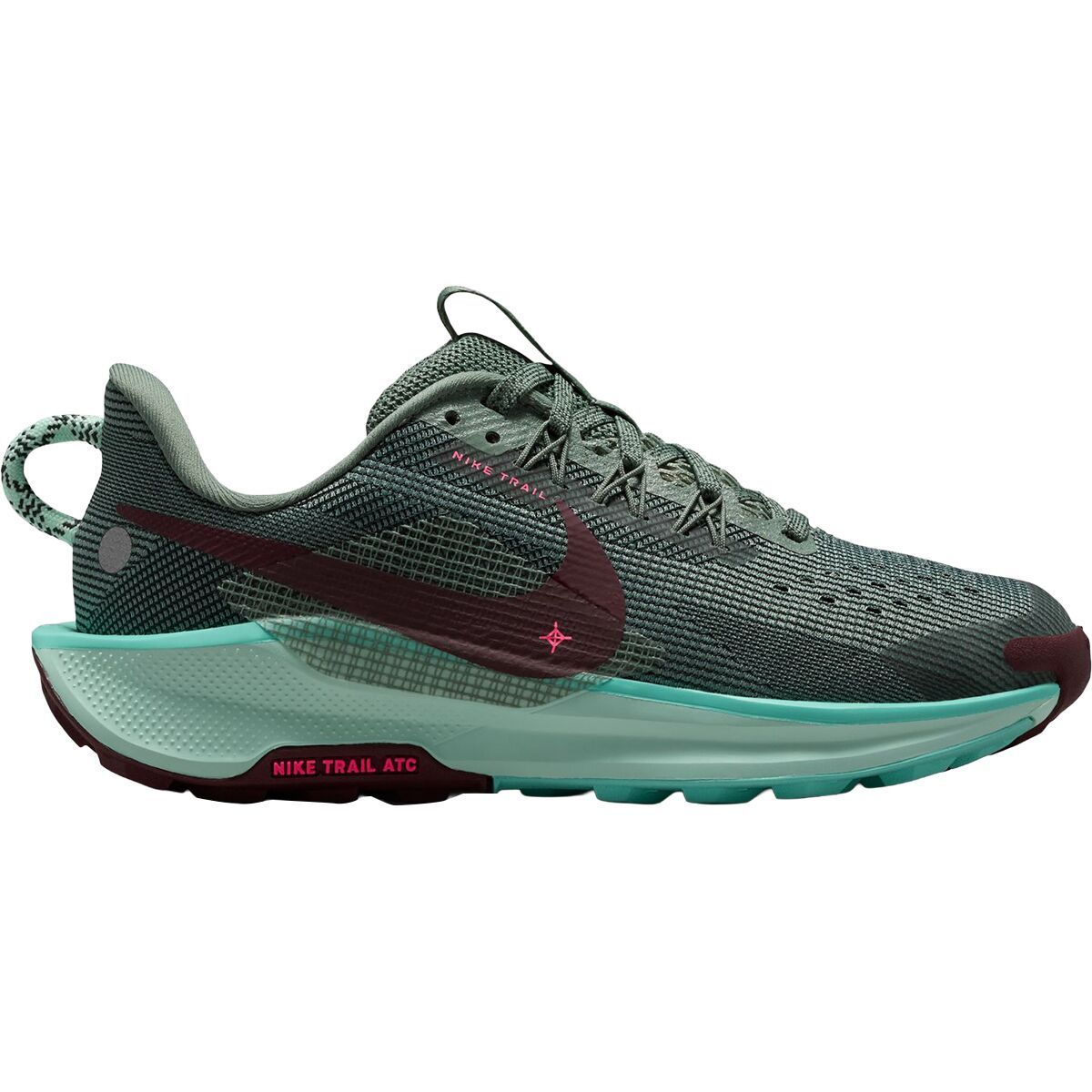
Nike Pegasus Trail 5
Our go-to trail-capable training shoe. React foam + sticky outsole.