Blog / Running Shoes
Brooks vs HOKA Running Shoes 2026
The ultimate head-to-head comparison of two of running's most popular shoe brands
Quick Verdict: Which Should You Buy?
Choose Brooks If:
- - You want a traditional running shoe feel
- - Durability and longevity matter most
- - You need stability/motion control options
- - You prefer moderate, balanced cushioning
- - You're a heavier runner (160+ lbs)
Choose HOKA If:
- - Maximum cushioning is your priority
- - You want that signature rocker ride
- - You're training for ultramarathons
- - You have joint issues or want low impact
- - You prefer lighter weight for the cushion
The Bottom Line
Brooks offers versatile, durable running shoes with a traditional feel. The Ghost 16 ($140) is our top daily trainer recommendation for runners who want reliable cushioning without the maximalist approach. Brooks excels at stability shoes for overpronators.
HOKA pioneered maximalist cushioning and continues to lead in plush, protective footwear. The Clifton 9 ($145) delivers incredible softness in a surprisingly light package, perfect for runners prioritizing joint protection and that signature rolling sensation.
Our recommendation: Try both. These brands offer genuinely different running experiences. Visit a running store to feel the difference - it's significant and personal preference matters enormously.
Brooks Ghost 16
Reliable, balanced cushioning with a traditional feel — the safe pick for everyday miles. ~$140.
Check Price on AmazonHOKA Clifton 9
Plush, light, and protective with HOKA's signature rolling ride — best for joint protection. ~$145.
Check Price on AmazonCompare both against every model in our best running shoes guide for 2026 →
Brand Overview: Two Different Philosophies
Brooks
Founded in 1914, Brooks is one of running's heritage brands. They've focused exclusively on running since 2001 and built a reputation for reliable, well-researched shoes that work for the broadest range of runners.
Headquarters: Seattle, Washington, USA
Key Technologies: DNA LOFT, GuideRails, BioMoGo
Philosophy: "Run Happy" - versatile, balanced designs
HOKA
Founded in 2009 by trail runners in France, HOKA (meaning "to fly" in Maori) revolutionized running with oversized, maximalist midsoles. They've grown from niche trail brand to mainstream phenomenon.
Headquarters: Goleta, California, USA (owned by Deckers)
Key Technologies: Meta-Rocker, PROFLY, PEBA foam
Philosophy: Maximum cushion, minimum weight
These brands represent fundamentally different approaches to running footwear. Brooks takes a traditional, research-driven approach, creating shoes that feel familiar to most runners while incorporating modern foam technologies. HOKA broke the mold entirely, proving that thick midsoles don't mean heavy shoes and that more cushion can actually improve performance.
Both approaches have merit. Your choice depends on what you value: Brooks' proven versatility or HOKA's innovative comfort.
Head-to-Head: Popular Models Compared
Let's compare the most popular shoes from each brand side-by-side:
Daily Trainers: Brooks Ghost 16 vs HOKA Clifton 9
| Specification | Brooks Ghost 16 | HOKA Clifton 9 |
|---|---|---|
| Price | $140 | $145 |
| Weight (Men's 9) | 9.6 oz (272g) | 9.1 oz (258g) |
| Heel Stack Height | 30mm | 32mm |
| Heel-Toe Drop | 12mm | 5mm |
| Midsole Foam | DNA LOFT v2 | Compression-molded EVA |
| Cushioning Feel | Balanced, responsive | Soft, plush |
| Support Type | Neutral | Neutral |
| Durability (est.) | 400-500 miles | 300-400 miles |
| Best For | Versatile daily runs | Comfort-focused miles |
| Rocker Geometry | Subtle | Pronounced Meta-Rocker |
Max Cushion: Brooks Glycerin 21 vs HOKA Bondi 8
| Specification | Brooks Glycerin 21 | HOKA Bondi 8 |
|---|---|---|
| Price | $160 | $165 |
| Weight (Men's 9) | 10.6 oz (300g) | 10.4 oz (295g) |
| Heel Stack Height | 36mm | 33mm |
| Heel-Toe Drop | 10mm | 4mm |
| Midsole Foam | DNA LOFT v3 | Compression-molded EVA |
| Cushioning Feel | Plush but supportive | Maximum marshmallow |
| Best For | Long runs, recovery | All-day comfort |
Stability: Brooks Adrenaline GTS 24 vs HOKA Arahi 7
| Specification | Brooks Adrenaline GTS 24 | HOKA Arahi 7 |
|---|---|---|
| Price | $140 | $140 |
| Weight (Men's 9) | 10.2 oz (289g) | 9.2 oz (261g) |
| Support Technology | GuideRails | J-Frame |
| Support Level | Moderate-High | Mild-Moderate |
| Best For | Overpronators, wide range | Light support + cushion |
Cushioning Technology: Deep Dive
Brooks DNA LOFT
Brooks' signature foam technology uses nitrogen-infused construction for soft yet responsive cushioning. DNA LOFT adapts to each runner's stride, providing personalized cushioning.
Characteristics:
- - Balanced softness and responsiveness
- - Adapts to runner's weight and gait
- - Durable, maintains cushion over miles
- - Traditional running shoe feel
- - Good energy return
HOKA Foam Technology
HOKA uses various foam compounds (EVA, PEBA in premium models) with their signature geometry - tall stacks with aggressive rocker shapes that propel you forward.
Characteristics:
- - Maximum cushion, minimal weight
- - Soft, protective landing
- - Meta-Rocker for smooth transitions
- - Active foot frame for stability
- - "Bucket seat" heel cradle
The Key Difference
Brooks focuses on balanced cushioning - soft enough for comfort, firm enough for responsiveness. HOKA prioritizes protection - maximum cushion to reduce impact stress, relying on rocker geometry rather than firmness for forward propulsion. Neither approach is objectively better; they serve different runner preferences.
Durability: Which Lasts Longer?
Durability: Researched Lifespan Data
| Shoe | Typical Lifespan (mi) | Cushion Loss | Outsole Wear | Overall Rating |
|---|---|---|---|---|
| Brooks Ghost 16 | 400 | 15-20% | Moderate | Excellent |
| HOKA Clifton 9 | 350 | 25-30% | Light | Good |
| Brooks Glycerin 21 | 450 | 15-20% | Moderate | Excellent |
| HOKA Bondi 8 | 300 | 30-35% | Light | Good |
Analysis: Brooks shoes consistently outlast HOKAs by 50-100 miles. HOKA's softer foams provide that plush feel but break down faster, especially for heavier runners. The cost-per-mile difference is meaningful over a year of training.
For runners logging high mileage who want to minimize shoe expenses, Brooks offers better long-term value. For runners who prioritize fresh cushioning and don't mind replacing shoes more often, HOKA's comfort may justify the shorter lifespan.
Fit and Comfort Comparison
Brooks Fit Profile
- Toe Box: Moderate width, accommodating
- Heel: Secure lockdown, traditional cup
- Arch: Neutral to supportive options
- Width Options: Narrow, Standard, Wide, Extra Wide
- Sizing: True to size for most runners
+ Excellent width options
+ Consistent sizing across models
- Some find toe boxes restrictive
HOKA Fit Profile
- Toe Box: Generally spacious, varies by model
- Heel: "Bucket seat" cradle, secure
- Arch: Neutral feel with rocker propulsion
- Width Options: Standard, Wide (limited models)
- Sizing: Often runs slightly small
+ Generous toe boxes in most models
+ Comfortable heel cradle
- Fewer width options
- May need to size up
Complete Pros & Cons
Brooks
Pros
- + Superior durability (400-500 mile life)
- + Excellent width options (N, D, W, 2E, 4E)
- + Strong stability/support lineup
- + Traditional running feel
- + Consistent sizing across models
- + DNA LOFT adapts to your stride
- + Great for heavier runners
- + 90-day trial period
- + Heritage brand with proven designs
- + Responsive without being soft
Cons
- - Less cushioning than HOKA
- - Heavier than comparable HOKAs
- - Less innovative/trendy
- - Some toe boxes feel narrow
- - No super-maximal options
HOKA
Pros
- + Maximum cushioning, minimum weight
- + Signature rocker for smooth stride
- + Excellent for joint protection
- + Innovative, progressive designs
- + Strong trail running lineup
- + Spacious toe boxes
- + Great for ultramarathons
- + Popular among healthcare workers
- + Elite athlete credibility
- + Soft landing, forgiving ride
Cons
- - Shorter lifespan (300-400 miles)
- - Limited width options
- - Often runs small (size up)
- - Less responsive/bouncy
- - Rocker feel takes adjustment
- - Higher cost-per-mile
Who Should Buy Which Brand?
Buy Brooks If You Are:
- - A runner who values durability and cost-per-mile
- - Someone needing stability or motion control
- - A heavier runner (160+ lbs) who breaks down soft foam quickly
- - Looking for a versatile shoe that handles all paces
- - Someone with wide feet who needs width options
- - A traditional runner who likes ground feel
- - Training for 5K through marathon distances
Buy HOKA If You Are:
- - Someone who prioritizes joint protection and comfort
- - An ultramarathon or long-distance runner
- - A new runner whose body isn't conditioned for impact
- - Someone recovering from injury or with chronic joint issues
- - A trail runner wanting cushion on technical terrain
- - Looking for all-day comfortable shoes (standing jobs)
- - Someone lighter (under 160 lbs) who won't compress foam quickly
Price Comparison: 2026 Models
| Category | Brooks | Price | HOKA | Price |
|---|---|---|---|---|
| Daily Trainer | Ghost 16 | $140 | Clifton 9 | $145 |
| Max Cushion | Glycerin 21 | $160 | Bondi 8 | $165 |
| Stability | Adrenaline GTS 24 | $140 | Arahi 7 | $140 |
| Speed/Race | Hyperion Max | $200 | Mach 6 | $140 |
| Trail | Cascadia 18 | $140 | Speedgoat 6 | $155 |
| Carbon Racer | Hyperion Elite 3 | $250 | Cielo X1 | $275 |
Our 2026 Recommendations
Brooks Ghost 16
The perfect daily trainer. Balanced cushioning, excellent durability, and versatile performance from easy runs to tempo workouts. Brooks' bestseller for good reason.
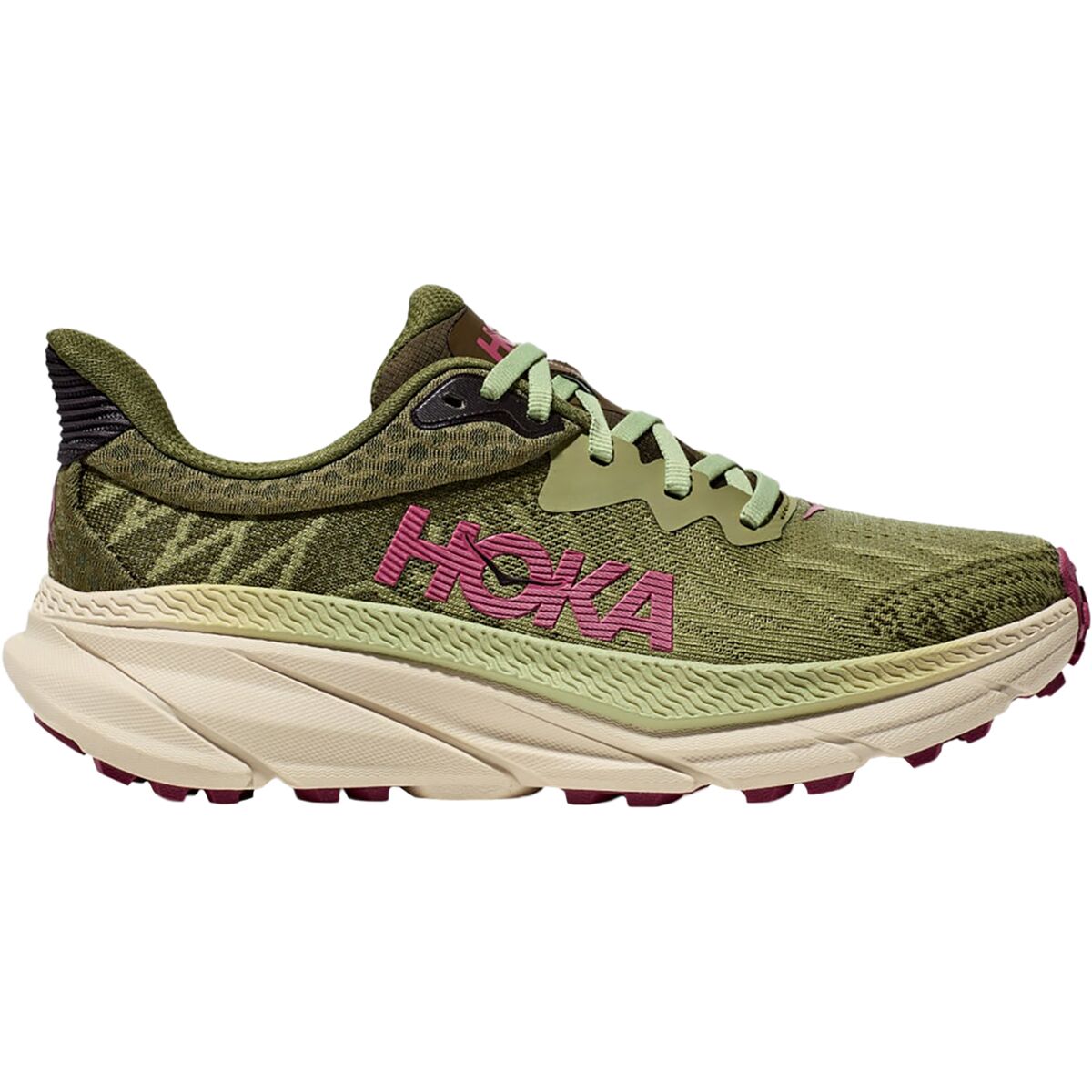
HOKA Clifton 9
HOKA's signature everyday trainer. Maximum cushion in a lightweight package with smooth rocker transitions. Perfect for comfort-focused runners.
Frequently Asked Questions
Is Brooks or HOKA better for running?
Neither is universally better - it depends on your preferences. HOKA offers more cushioning with maximal midsoles and rocker geometry. Brooks provides a traditional feel with better durability. HOKA suits runners wanting maximum cushion; Brooks suits runners preferring balanced, versatile performance.
Which is more cushioned, Brooks Ghost or HOKA Clifton?
The HOKA Clifton is noticeably more cushioned with 32mm heel stack versus Ghost's 28mm, plus softer foam and pronounced rocker. The Ghost offers moderate cushioning that many find more responsive and connected to the ground.
Are HOKAs good for beginners?
Yes, HOKAs are excellent for beginners. The generous cushioning is forgiving on unconditioned joints and muscles. The Clifton and Bondi are particularly beginner-friendly with soft landings and stable platforms.
Do Brooks shoes last longer than HOKAs?
Generally, yes. Brooks shoes typically last 400-500 miles while HOKAs often wear out around 300-400 miles. HOKA's softer foams break down faster. Heavier runners may notice HOKA cushioning degrading sooner.
Which brand is better for flat feet?
Brooks has a stronger stability lineup. The Adrenaline GTS and Beast offer proven support with GuideRails technology. HOKA's Arahi provides stability in a lighter package but with less correction.
Are HOKAs worth the hype?
For many runners, yes. HOKA pioneered maximal cushioning that genuinely reduces impact stress. They've proven their tech at elite levels. However, some runners don't like the rocker feel or find them too soft.
Which is better for long distance running?
Both excel at long distances. HOKA's Bondi and Mach lines are popular for ultramarathons due to soft landings. Brooks' Glycerin provides lasting comfort with firmer support. HOKA may edge out for pure cushion; Brooks for responsiveness throughout.
Are HOKA shoes heavy?
Despite thick midsoles, HOKAs are surprisingly light. The Clifton 9 weighs about 9.1oz, comparable to the Brooks Ghost 15 at 9.6oz. HOKA achieves this through lightweight foams and aggressive weight-saving design.
Which brand has better trail shoes?
HOKA has a slight edge in trail popularity, especially for ultras. The Speedgoat and Tecton X are favorites. Brooks' Cascadia and Caldera are solid. HOKA's trail heritage and athlete sponsorships give them more trail credibility.
Do professional runners wear Brooks or HOKA?
Both brands sponsor professionals. HOKA has surged in elite running, winning major marathons. Brooks sponsors athletes like Des Linden. At elite level, Nike and Adidas still dominate, but both Brooks and HOKA have growing presence.
Final Verdict
Brooks offers versatile, durable running shoes that work for the widest range of runners. If you want a reliable daily trainer that handles everything from easy runs to workouts, the Ghost 16 is an excellent choice. Brooks also leads in stability options for overpronators.
HOKA delivers maximum cushioning for runners who prioritize comfort and joint protection. If you're training for ultramarathons, recovering from injury, or simply want the plushest ride possible, the Clifton 9 or Bondi 8 deliver unmatched softness.
Both brands make excellent running shoes. The right choice depends on whether you value versatility and durability (Brooks) or maximum cushioning and innovation (HOKA). Consider visiting a running store to feel the difference firsthand.