Running & Cycling Chafing: Complete Prevention & Solutions Guide
What You'll Learn
- Identify all common chafing hotspots for runners and cyclists
- Master proven running chafing prevention techniques
- Choose the best anti chafe cream for your needs
- Solve cycling shorts chafing with proper fit and products
- Treat existing chafing quickly and effectively
- Prevent chafing in any weather condition
Chafing is the painful reality every endurance athlete faces eventually. Whether it's nipple chafing during your first marathon or inner thigh irritation on a century ride, skin-on-skin or fabric-on-skin friction can turn a great workout into a painful ordeal. After hundreds of long runs and bike rides, I've learned that running chafing prevention isn't just about comfort - it's essential for consistent training and race-day performance.
"The difference between a personal best and a painful DNF often comes down to the five minutes you spent applying anti-chafe protection before the race. Prevention is always easier than treatment." - Glen, Marathoner & Cyclist
Understanding Chafing: Why It Happens
Chafing occurs when repeated friction between skin surfaces or skin and fabric causes irritation, redness, and sometimes bleeding. During endurance activities, three factors combine to create the perfect chafing conditions:
Friction
Repetitive motion during running or cycling creates thousands of small rubs between skin surfaces or clothing. A single mile of running involves roughly 1,500 steps - that's 1,500 friction points per mile.
Moisture
Sweat, rain, or humidity softens skin and increases friction coefficient. Wet skin is more susceptible to damage and takes longer to heal once irritated.
Duration
Short workouts rarely cause chafing, but runs over 60 minutes or rides exceeding 2 hours exponentially increase risk as protective barriers wear down.
Common Chafing Hotspots: Runners vs Cyclists
Different sports create different friction patterns. Understanding your sport's specific chafing zones is the first step in running chafing prevention.
Running Chafing Zones
High-Risk Areas for Runners:
Upper Body
- Nipples: Most common complaint for men, especially in marathons
- Underarms: Arm swing creates constant friction
- Sports Bra Band: Women experience chafing where band meets skin
- Back of Neck: From shirt collars or ponytails
Lower Body
- Inner Thighs: Skin-on-skin contact with each stride
- Groin Area: Seams and elastic bands cause irritation
- Feet: Blisters from shoes and moisture
- Buttocks: Seams in shorts or moisture buildup
Cycling Chafing Zones
High-Risk Areas for Cyclists:
Contact Points
- Sit Bones: Direct saddle contact for hours
- Perineum: Pressure and friction from saddle nose
- Inner Thighs: Cycling shorts chafing from pedaling motion
- Chamois Edges: Where pad meets skin
Secondary Zones
- Lower Back: Jersey riding up creates friction
- Underarms: Aero position increases contact
- Neck: Helmet straps during long rides
- Hands: Handlebar grip pressure points
Running Chafing Prevention: Essential Strategies
Effective running chafing prevention combines proper clothing, anti-chafe products, and smart training habits. Here's what actually works based on real-world testing.
Choose the Right Clothing
Fabric and Fit Guidelines:
Technical Fabrics
Choose moisture-wicking synthetics or merino wool. Avoid cotton which holds moisture and increases friction. Look for seamless construction or flat-lock seams that won't rub.
Proper Fit
Clothing should be snug without being tight. Loose fabric creates additional friction points. Compression shorts eliminate inner thigh chafing for many runners.
Seamless Options
Invest in seamless underwear and socks. Seams are friction multipliers, especially when moisture is present. Check inside-out seam placement on all gear.
Anti-Chafe Product Application
The best anti chafe cream won't work if you don't apply it correctly. Follow these proven techniques:
Application Best Practices:
- Apply Generously: Don't skimp - use more than you think you need
- Cover Beyond the Zone: Apply 1-2 inches past expected friction areas
- Reapply for Long Efforts: Every 2-3 hours for runs/rides over 4 hours
- Let It Absorb: Apply 5-10 minutes before exercise when possible
- Test in Training: Never try new products on race day
Best Anti Chafe Cream: Product Reviews & Comparisons
After researching dozens of products against specs and verified owner reviews, these anti-chafe solutions consistently deliver protection. All Amazon links use our affiliate tag to support RunBikeCalc at no cost to you.
Top Anti-Chafe Products for 2025
Body Glide Original Anti-Chafe Balm
The gold standard for running chafing prevention. This plant-based balm creates an invisible, non-greasy protective barrier that lasts 4+ hours. Works exceptionally well for nipple protection and inner thighs.
Pros: Long-lasting, non-greasy, allergen-free, easy stick application
Best For: All-purpose running, marathon distance, nipples, feet
Squirrel's Nut Butter Anti-Chafe Salve
Ultra-endurance athletes swear by this all-natural balm made from coconut oil, cocoa butter, and beeswax. Thicker consistency provides longer protection for ultra-marathons and Ironman events. Waterproof formula handles sweat and rain.
Pros: 100% natural, waterproof, extra thick protection, pleasant scent
Best For: Ultra-distance, extreme conditions, sensitive skin
Chamois Butt'r Original
The cyclist's go-to chamois cream, but equally effective for running. Non-greasy cream formula won't damage technical fabrics or chamois padding. Prevents cycling shorts chafing and saddle sores during long rides.
Pros: Won't stain, bike chamois safe, works for running too, easy application
Best For: Cycling saddle area, inner thigh chafing, multi-sport
2Toms SportShield Roll-On
Unique roll-on formula creates a breathable protective layer that bonds to skin. Lasts up to 8 hours even through swimming. Used by Navy SEALs and ultra-runners. Perfect for preventing blisters on feet.
Pros: 8-hour protection, waterproof, breathable, great for feet and blisters
Best For: Ultra-distance, feet and blister prevention, triathlon
NipGuards Nipple Protection
Adhesive silicone covers specifically designed to prevent nipple chafing during marathon running. Stay in place through sweat and rain. Reusable for multiple runs. Essential gear for male marathoners.
Pros: Foolproof nipple protection, reusable, comfortable, race-day reliable
Best For: Marathon distance, nipple chafing prevention, male runners
Product Comparison Table
| Product | Duration | Formula | Best Use | Price |
|---|---|---|---|---|
| Body Glide | 4 hours | Balm/Stick | All-purpose | $ |
| Squirrel's Nut Butter | 6+ hours | Thick Salve | Ultra-distance | $$ |
| Chamois Butt'r | 3-4 hours | Cream | Cycling/saddle | $ |
| 2Toms SportShield | 8+ hours | Roll-on Liquid | Feet/blisters | $$ |
| NipGuards | Full race | Adhesive | Nipples only | $ |
Cycling Shorts Chafing: Prevention & Solutions
Cycling shorts chafing requires different strategies than running. The combination of prolonged saddle contact, chamois friction, and seated position creates unique challenges.
Choosing Proper Cycling Shorts
Essential Cycling Short Features:
Quality Chamois Padding
Multi-density foam padding protects sit bones and reduces friction. High-end chamois uses antibacterial treatments. Women's specific chamois differs from men's - always buy gender-specific shorts.
Seamless Construction
Quality shorts minimize seams in contact areas. Flat-lock or bonded seams prevent irritation. Check chamois attachment points - these shouldn't touch your skin.
Proper Fit is Critical
Shorts should be snug without restricting movement. Chamois must sit correctly against your body - if it shifts, you'll chafe. Never wear underwear with cycling shorts.
Chamois Cream Application
Proper Chamois Cream Technique:
- Apply to Skin, Not Chamois: Put cream on your body for maximum protection and hygiene
- Cover All Contact Areas: Sit bones, perineum, inner thighs, and any area touching the saddle
- Use Liberally: More is better for rides over 2 hours
- Reapply on Long Rides: Every 3-4 hours for century rides or longer
- Wash Shorts After Every Ride: Bacteria buildup in chamois causes saddle sores
Bike Fit and Saddle Selection
Sometimes cycling shorts chafing stems from bike setup issues rather than product problems:
Saddle Selection
- Width must match sit bone spacing
- Shape should complement riding position
- Cutout designs reduce pressure
- Many shops offer test saddle programs
Bike Fit Factors
- Saddle height affects friction patterns
- Fore-aft position changes pressure points
- Saddle tilt of 0-3 degrees typically best
- Professional fit worth investment
Weather-Specific Chafing Prevention
Different conditions require adjusted strategies for running chafing prevention and cycling comfort.
Hot and Humid Conditions
Hot Weather Strategy:
- Lighter Application: Heavy creams can feel uncomfortable in heat - consider thinner formulas
- Sweat-Resistant Products: Use waterproof options like Squirrel's Nut Butter
- Extra Clothing Changes: Fresh dry clothes mid-workout prevent friction buildup
- Body Glide Sport: Specifically formulated for high-sweat conditions
- Anti-Bacterial Treatment: Heat and moisture increase infection risk in irritated skin
Cold and Wet Conditions
Cold Weather Strategy:
- Thicker Barriers: Cold makes skin more susceptible - use heavier protection
- Moisture-Proof Layers: Rain increases chafing exponentially - waterproof your friction zones
- Thermal Tights: Proper coverage eliminates many cold-weather friction points
- Petroleum Jelly Alternative: While greasy, it's waterproof for extreme wet conditions
- Post-Run Care: Cold damages skin barrier - treat immediately after workouts
Treating Existing Chafing: Fast Recovery
Despite best prevention efforts, chafing sometimes happens. Quick proper treatment prevents infection and speeds healing so you can return to training.
Immediate Post-Workout Treatment
First 24 Hours Protocol:
- Clean Gently: Rinse with lukewarm water and mild soap - avoid scrubbing
- Pat Dry: Don't rub - use soft towel or air dry
- Apply Antibacterial: Thin layer of antibiotic ointment prevents infection
- Protect the Area: Loose breathable clothing or gauze if severe
- Avoid Further Friction: Skip workouts or cross-train if area is raw
Healing and Recovery
Do's for Healing
- Keep area clean and dry
- Apply healing ointment 2-3x daily
- Wear loose natural fabrics
- Let air reach affected skin when possible
- Use hydrocolloid bandages for raw areas
Don'ts During Recovery
- Don't pick at healing skin
- Avoid tight or synthetic clothing
- Don't exercise through severe chafing
- Skip hot showers on affected areas
- Don't use alcohol or hydrogen peroxide
When to See a Doctor
Seek medical attention if you experience:
- Signs of infection (increased redness, warmth, pus, fever)
- Severe pain that prevents normal movement
- Bleeding that won't stop
- No improvement after 3-4 days of home treatment
- Recurring chafing in same location suggesting underlying issue
Advanced Prevention: Training for Chafe Resistance
Your skin can actually adapt to become more resistant to chafing through gradual conditioning.
Skin Conditioning Strategy:
Progressive Exposure
Gradually increase workout duration and intensity. Skin toughens through repeated controlled stress. Don't jump straight to marathon distance without building volume.
Reduce Product Dependency
Once adapted, some athletes need less anti-chafe cream. However, always use protection for races and long efforts. Never "test" reduced protection on important workouts.
Strengthen Skin Barrier
Moisturize daily to maintain skin health. Use products with ceramides and hyaluronic acid. Healthy skin resists chafing better than dry, damaged skin.
Special Considerations for Women
Female athletes face some unique chafing challenges that require specific strategies.
Women-Specific Chafing Zones:
- Sports Bra Band: Where elastic meets rib cage - use Body Glide or wear seamless bras
- Under Breasts: High-sweat area prone to chafing - powder plus anti-chafe balm works well
- Saddle Area Differences: Women's chamois designed for female anatomy - never use men's shorts
- Inner Thigh Anatomy: Different friction patterns require wider coverage with anti-chafe products
- Menstrual Considerations: Hormonal changes affect skin sensitivity - extra protection during certain cycle phases
Budget-Friendly Chafing Prevention
Effective running chafing prevention doesn't require expensive products. Here are proven budget alternatives:
Budget Options That Work
- Petroleum Jelly: Inexpensive and effective, though greasy
- Diaper Rash Cream: Zinc oxide creates protective barrier
- Compression Shorts: One pair prevents inner thigh chafing
- Band-Aids for Nipples: Not ideal but works in emergency
- Coconut Oil: Natural option with antibacterial properties
Where to Invest
- Quality Cycling Shorts: Worth the cost if you ride regularly
- Seamless Running Socks: Prevent foot blisters cheaply
- One Premium Anti-Chafe: Buy Body Glide for races, use cheap stuff training
- Moisture-Wicking Base Layer: Better than cotton at any price
Calculate Your Training Load
Understanding your workout intensity helps predict chafing risk and plan prevention strategies.
Race Day Chafing Prevention Checklist
Don't let chafing ruin months of training. Follow this pre-race protocol for foolproof protection.
Race Morning Checklist:
"I've never heard an athlete say 'I wish I'd used less anti-chafe cream today.' Over-prepare your skin the same way you over-train your legs. The protection takes 2 minutes but saves hours of pain." - Glen
Conclusion: Make Chafing a Non-Issue
Running chafing prevention and cycling comfort shouldn't be afterthoughts in your training. The best athletes treat skin protection with the same importance as their training plan. Start with quality anti chafe cream like Body Glide for general use, add Squirrel's Nut Butter for ultra-distance efforts, and use proper chamois cream to prevent cycling shorts chafing.
Remember these key principles:
- Prevention is easier than treatment - apply products before every long workout
- Test everything in training - never try new products or clothing on race day
- Invest in proper clothing - seamless, moisture-wicking gear prevents most chafing
- Address problems early - first sign of irritation, adjust immediately
- Learn your personal hotspots - everyone's friction zones differ slightly
With proper prevention strategies, the right products, and tested protocols, you can make chafing a minor consideration rather than a training-limiting problem. Your skin will thank you, and your performance will improve when comfort isn't competing for mental energy during hard efforts.
Stop chafing before it starts. Your next personal best depends on it.
Related Training Guides
Featured at Backcountry — 15% off first order
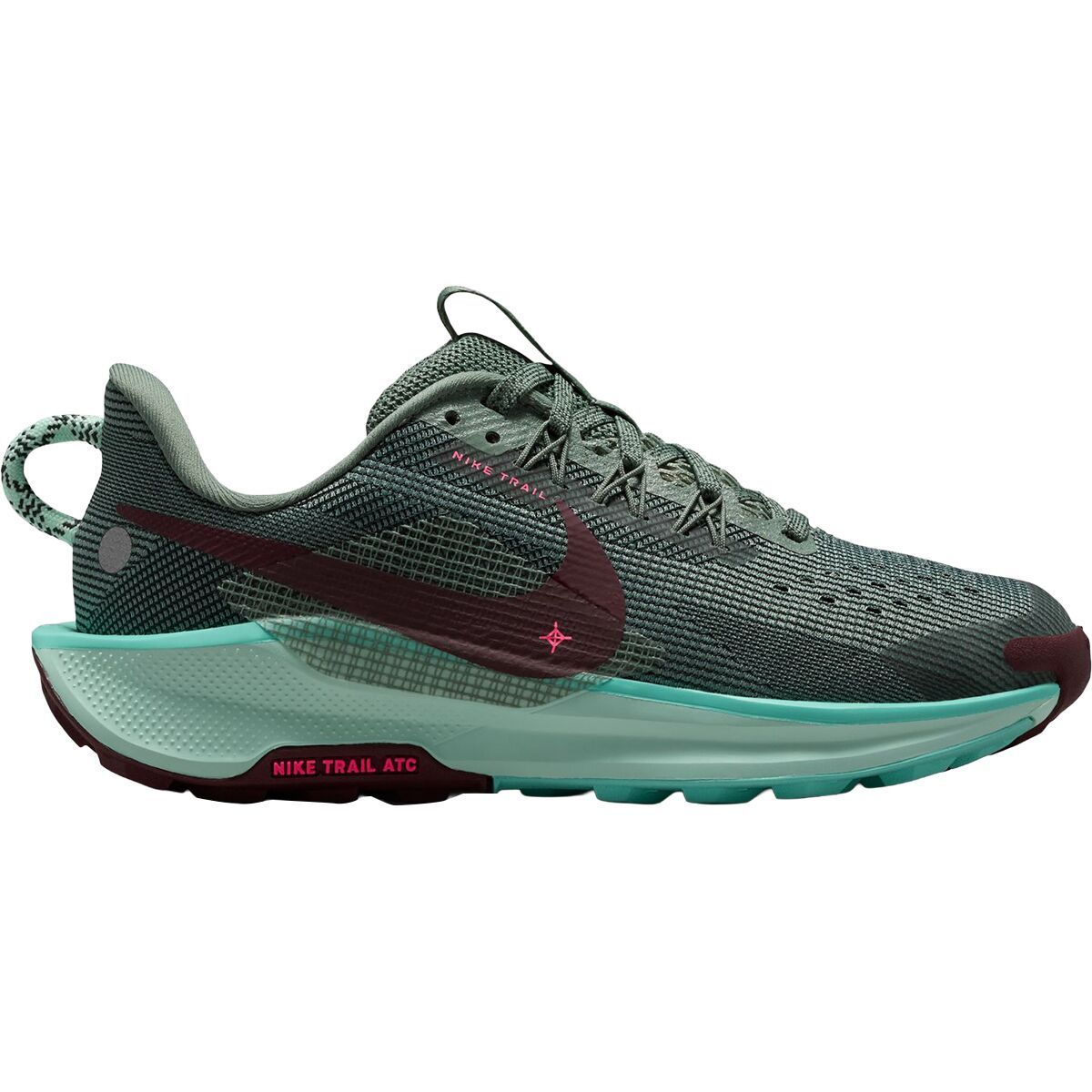
Nike Pegasus Trail 5
Our go-to trail-capable training shoe. React foam + sticky outsole.