Blog / Cycling Data
FTP Ranges by Cycling Category: What's a Good FTP? (2026 Data)
Complete FTP benchmarks in watts and watts/kg for every level of cyclist — from untrained beginner to WorldTour professional — with weight-specific tables so you know exactly where you stand
The Direct Answer
A good FTP for a recreational male cyclist is 2.5-3.5 W/kg (approximately 175-280 watts for a 70 kg rider). For women, a good recreational FTP is 2.1-3.0 W/kg. The threshold between recreational and competitive is generally considered 3.0 W/kg for men and 2.5 W/kg for women.
W/kg (watts per kilogram) is the most useful FTP metric because it normalizes for body weight and predicts climbing performance. Absolute watts matter most for flat terrain and time trials.
3.0 W/kg
Men's Competitive Threshold
2.5 W/kg
Women's Competitive Threshold
6.5+ W/kg
WorldTour Climber FTP
60 min
Standard FTP Duration
FTP Ranges by Cycling Category: Men
The table below covers the full spectrum of male cyclist performance categories. Absolute watt values assume a reference rider weight of 70 kg. Adjust using the W/kg column for your actual weight.
| Category | FTP (Watts) | FTP (W/kg) | Who This Is |
|---|---|---|---|
| Untrained | 60–105W | 1.0–1.5 W/kg | No structured training, casual riding |
| Recreational | 105–175W | 1.5–2.5 W/kg | Regular rides, fitness-focused, no racing |
| Cat 5 / Beginner Racer | 175–210W | 2.5–3.0 W/kg | Entry-level road racer, completing first races |
| Cat 4 | 210–245W | 3.0–3.5 W/kg | Competitive amateur, 6-10 hrs/week training |
| Cat 3 | 245–280W | 3.5–4.0 W/kg | Serious amateur, structured periodization |
| Cat 2 | 280–315W | 4.0–4.5 W/kg | Elite amateur, 10-15 hrs/week, podium finishes |
| Cat 1 / Elite | 315–385W | 4.5–5.5 W/kg | Top-level amateur, semi-pro, national events |
| Pro Continental | 370–440W | 5.5–6.5 W/kg | Professional cyclist, lower-tier pro peloton |
| WorldTour Pro | 420–490W+ | 6.0–7.0+ W/kg | Tour de France / Grand Tour level athletes |
Absolute watt values based on a reference 70 kg (154 lb) male rider. Source: British Cycling performance standards, TrainingPeaks athlete database analysis, and published sports science literature on cycling performance.
FTP Ranges by Cycling Category: Women
Women's FTP values are typically 10-15% lower in absolute watts but overlap significantly in W/kg with men once normalized. The reference weight below is 60 kg. Women's WorldTour athletes typically produce 5.0-6.0+ W/kg.
| Category | FTP (Watts) | FTP (W/kg) | Who This Is |
|---|---|---|---|
| Untrained | 45–75W | 0.75–1.25 W/kg | No structured training |
| Recreational | 75–130W | 1.25–2.1 W/kg | Regular rides, group rides, no racing |
| Cat 5 / Beginner Racer | 130–150W | 2.1–2.5 W/kg | Entry-level racing, first season competitor |
| Cat 4 | 150–180W | 2.5–3.0 W/kg | Competitive amateur, consistent training |
| Cat 3 | 180–210W | 3.0–3.5 W/kg | Serious amateur, structured training plan |
| Cat 2 | 210–240W | 3.5–4.0 W/kg | Elite amateur, podium-level performances |
| Cat 1 / Elite | 240–300W | 4.0–5.0 W/kg | Top-level amateur, national competition |
| Pro Continental | 285–330W | 4.75–5.5 W/kg | Professional, lower pro peloton |
| WorldTour Pro | 320–380W+ | 5.3–6.3+ W/kg | Grand Tour level (Women's WorldTour) |
Absolute watt values based on a reference 60 kg (132 lb) female rider. Source: British Cycling women's performance standards, published literature on female cycling physiology.
What's a Good FTP for My Weight?
Use the table below to find your absolute FTP target based on body weight. Find your weight row and read across to see what FTP corresponds to each performance tier.
Men's FTP Targets by Body Weight
| Weight | Recreational (2.5 W/kg) | Good/Cat4 (3.2 W/kg) | Strong/Cat3 (3.8 W/kg) | Excellent/Cat2 (4.3 W/kg) |
|---|---|---|---|---|
| 55 kg (121 lb) | 138W | 176W | 209W | 237W |
| 60 kg (132 lb) | 150W | 192W | 228W | 258W |
| 65 kg (143 lb) | 163W | 208W | 247W | 280W |
| 70 kg (154 lb) | 175W | 224W | 266W | 301W |
| 75 kg (165 lb) | 188W | 240W | 285W | 323W |
| 80 kg (176 lb) | 200W | 256W | 304W | 344W |
| 85 kg (187 lb) | 213W | 272W | 323W | 366W |
| 90 kg (198 lb) | 225W | 288W | 342W | 387W |
Women's FTP Targets by Body Weight
| Weight | Recreational (2.0 W/kg) | Good/Cat4 (2.7 W/kg) | Strong/Cat3 (3.2 W/kg) | Excellent/Cat2 (3.8 W/kg) |
|---|---|---|---|---|
| 50 kg (110 lb) | 100W | 135W | 160W | 190W |
| 55 kg (121 lb) | 110W | 149W | 176W | 209W |
| 60 kg (132 lb) | 120W | 162W | 192W | 228W |
| 65 kg (143 lb) | 130W | 176W | 208W | 247W |
| 70 kg (154 lb) | 140W | 189W | 224W | 266W |
Use our FTP Calculator to compute your exact W/kg ratio and Power-to-Weight Ratio Calculator to see how you compare across categories.
How FTP Defines Your Training Zones
FTP is the foundation for calculating your 7 cycling power training zones (using the Coggan model). Here is how each zone relates to FTP percentage and training purpose.
| Zone | Name | % of FTP | Watts (250W FTP Example) | Training Purpose |
|---|---|---|---|---|
| Z1 | Active Recovery | <55% | <138W | Recovery, warm-up |
| Z2 | Endurance | 55–75% | 138–188W | Aerobic base, fat oxidation |
| Z3 | Tempo | 76–90% | 190–225W | Sustained aerobic effort |
| Z4 | Lactate Threshold | 91–105% | 228–263W | FTP improvement, race simulation |
| Z5 | VO2 Max | 106–120% | 265–300W | VO2 max development |
| Z6 | Anaerobic Capacity | 121–150% | 303–375W | Short hard efforts, attacks |
| Z7 | Neuromuscular Power | >150% | >375W | Sprints, maximum power |
Based on Andrew Coggan's 7-zone power training model. Use our FTP Calculator to generate your personal training zones from your FTP.
Frequently Asked Questions
What is a good FTP for cycling?
A good FTP for a recreational male cyclist is 2.5-3.5 W/kg (approximately 175-245 watts for a 70 kg rider). For women, 2.1-3.0 W/kg is a solid recreational level. The competitive threshold is 3.0 W/kg for men and 2.5 W/kg for women. Any FTP above 4.0 W/kg for men or 3.5 W/kg for women represents a highly trained amateur.
What is the average FTP for a recreational cyclist?
The average recreational male cyclist has an FTP of approximately 200-250 watts (2.5-3.2 W/kg for a typical 70-80 kg rider). For women, the average is 130-170 watts (2.1-2.7 W/kg for a 55-65 kg rider). These figures assume training 3-5 hours per week with moderate consistency.
What FTP do WorldTour cyclists have?
WorldTour pro cyclists typically sustain 6.0-7.0+ W/kg, translating to roughly 380-490+ watts. Grand Tour climbers are estimated at 6.5+ W/kg during peak race form. Time trial specialists generate even higher absolute watts. These are among the highest sustainable power outputs in any sport.
How much can I improve my FTP?
Beginners can see 10-15% FTP gains in their first year of structured training. With sweet spot training and regular threshold intervals, recreational cyclists typically gain 5-10% per 8-week training block. After 3-5 years, improvements plateau. The most effective protocols combine consistent Zone 2 base work with 2-3 quality sessions per week at or above threshold.
Should I focus on watts or watts per kilogram?
It depends on your goal. For climbing and comparing across rider sizes, W/kg is the critical number — lighter riders with high W/kg will outclimb heavier riders with the same absolute watts. For flat time trials and criteriums, absolute watts matter more. Most training benchmarks and race categories are better understood through W/kg.
Related Cycling Calculators and Guides
FTP Calculator
Calculate FTP from 20-minute or ramp test
FTP Improvement Calculator
Project FTP gains from your training plan
Power-to-Weight Ratio Calculator
See your W/kg and category level instantly
Complete FTP Guide 2026
Testing protocols, training zones, and improvement plans
What Is FTP? Beginner's Guide
FTP explained in plain English for new cyclists
Featured at Backcountry — 15% off first order
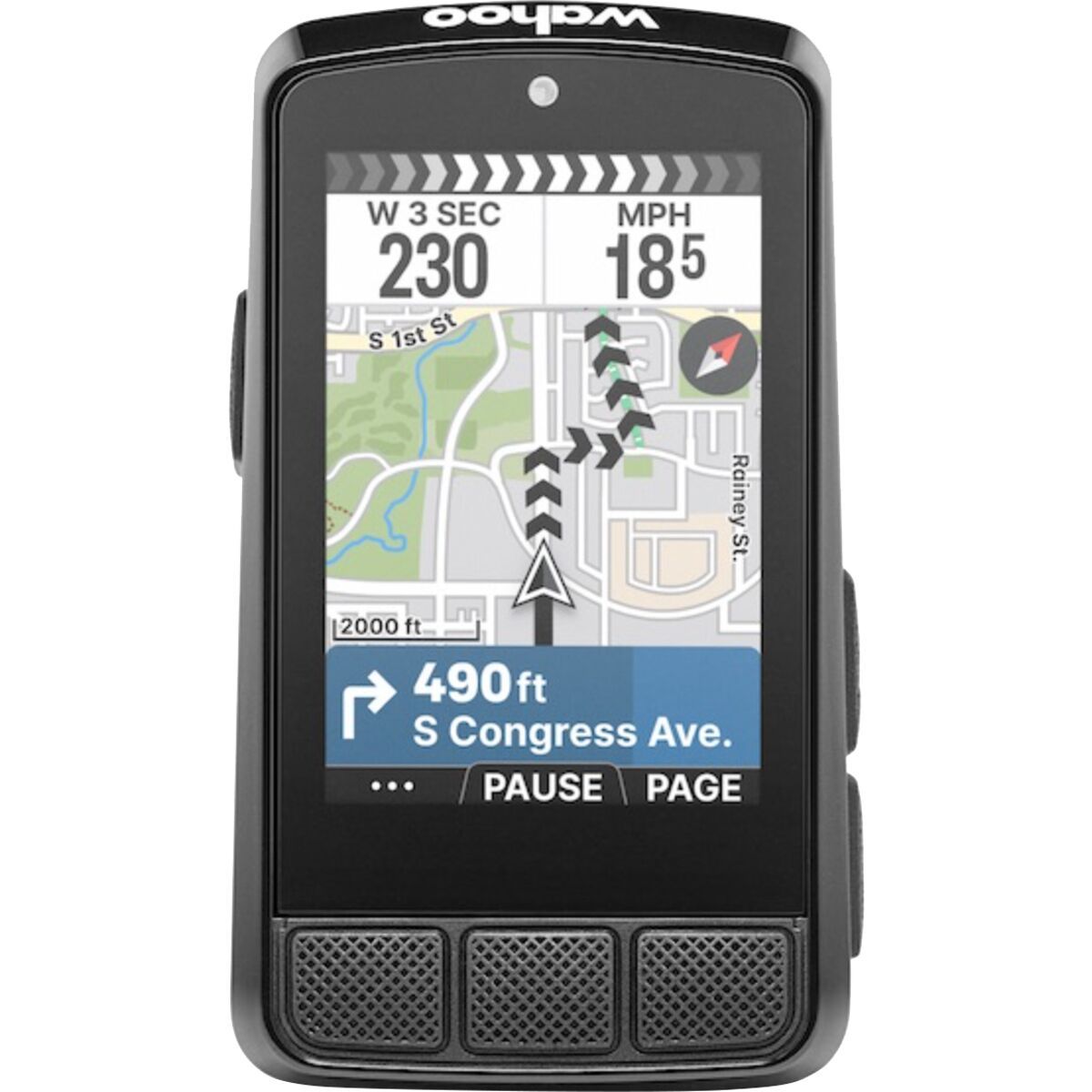
Wahoo ELEMNT BOLT 3
Display real-time watts from any power meter on Wahoo's premium head unit.