Blog / Training
Interval Training Methods: 8 Proven Workouts With Exact Paces and Rest Times
Every interval training method compared in one table, with the science, exact work and rest times, and 10 sample workouts matched to your goal
All 8 Interval Training Methods Compared
| Method | Work | Rest | Intensity | Best For |
|---|---|---|---|---|
| Classic Intervals | 400m to 1 mile reps | 90 sec to 3 min jog | Hard (5K to 10K pace) | 5K to 10K speed, VO2 max |
| Tempo Intervals | 5 to 20 min reps | 60 to 90 sec jog | Comfortably hard (85-90% HRmax) | Half marathon, marathon |
| Fartlek | 30 sec to 5 min surges | By feel until recovered | Variable | General speed, beginners |
| Tabata | 20 sec all-out x 8 | 10 sec | Maximum effort | Fitness, time-pressed athletes |
| HIIT | 20 sec to 4 min | Equal to or longer than work | Near-max (85-95% HRmax) | Fitness, VO2 max, body comp |
| Norwegian Method | 5-8 x 1000m, twice a day | 60 to 90 sec jog | Threshold (lactate guided) | Elite distance racing |
| Billat 30/30 | 30 sec x 10-20 | 30 sec easy jog | VO2 max pace (mile pace) | VO2 max, 5K to half marathon |
| Pyramid Intervals | 200m up to 800m and back down | Proportional to rep length | Hard (5K effort) | Variety, multiple energy systems |
8 Interval Training Methods at a Glance
Classic Intervals
400m–1 mile repeats
Tempo Intervals
Cruise intervals
Fartlek
Swedish speed play
Tabata
20s on / 10s off
HIIT
High-intensity bursts
Norwegian Method
Double threshold
Billat 30/30
VO2 max intervals
Pyramid Intervals
Ladder workouts
The Quick Answer
Interval training alternates hard efforts with recovery periods to force your body to adapt faster than steady-state training alone. The right method depends entirely on your goal: classic 800m repeats build VO2 max for 5K–10K runners, tempo intervals are best for marathon fitness, Tabata delivers the fastest general fitness gains in minimal time, and the Norwegian double threshold method is what elite distance runners use to train at high volume without burning out. This guide breaks down all 8 methods with sample workouts so you can build your own training program.
Use our free tools to dial in your intervals:
Why You Should Trust This Guide
Glen
Endurance Athlete & Certified Running Coach
Marathoner, cyclist, and triathlete with 10+ years of interval training experience across track, road, and cycling disciplines
I have been doing structured interval training for over a decade, working through every method in this guide personally and coaching athletes through them. I have run 400m repeats on the track in summer heat, suffered through 8 rounds of Tabata at near-maximum effort, and executed Norwegian-style double threshold sessions on back-to-back mornings. This is not a rehash of Wikipedia — it is practical experience with each protocol.
I have also tracked the science closely, including the original Tabata research from 1996, Billat's VO2 max interval studies, and the lactate-guided training literature that underpins the Norwegian method. Where the research and real-world experience align, I will tell you. Where they diverge, I will flag it.
What Is Interval Training?
Interval training is any workout structure that alternates periods of harder effort with periods of easier recovery. The "interval" refers to both the work period and the rest period — you are cycling between two states intentionally, rather than running or riding at a single steady pace for the whole session.
The concept dates back to the 1930s, when German coach Woldemar Gerschler and physiologist Hans Reindell developed the first formalized interval training protocols for middle-distance runners. What they discovered then still holds today: by repeatedly pushing the cardiovascular system hard and then letting it partially recover, you create a stronger adaptive stimulus than sustained moderate effort alone can produce.
The Science: Why Interval Training Works
The physiological mechanisms behind interval training are well established. When you push into a hard effort, several things happen simultaneously:
- Stroke volume increases: Your heart pumps more blood per beat, especially during the recovery phase when venous return is high. This is the primary driver of cardiac adaptation.
- Mitochondrial biogenesis: Hard efforts trigger AMPK and PGC-1alpha signaling, telling muscle cells to build more mitochondria — the aerobic powerhouses of your cells.
- Lactate clearance improves: Repeated exposure to lactate accumulation trains your muscles and liver to clear it more efficiently, raising your lactate threshold.
- VO2 max increases: Efforts at or near VO2 max pace force your aerobic system to its ceiling repeatedly, which pushes that ceiling higher over time.
- Neuromuscular efficiency: Fast running and cycling recruit high-threshold motor units that easy aerobic work never touches. Intervals train these fibers to fire more economically.
The VO2 Max Connection
VO2 max — your maximum rate of oxygen consumption — is one of the strongest predictors of endurance performance. Interval training is the most effective way to raise it. Research consistently shows that 6–8 weeks of interval training produces VO2 max improvements of 4–8% in trained athletes and up to 15% in beginners. Use our VO2 Max Calculator to track your baseline before you start.
Calculate Your VO2 MaxThe key insight that makes interval training so powerful is the recovery period. Counterintuitively, it is often during the rest interval — not the work interval — that the greatest cardiac stimulus occurs. As your heart rate comes down from the hard effort, stroke volume spikes. This is why "active recovery" (jogging slowly) is often superior to standing still between intervals for cardiovascular adaptation.
8 Interval Training Methods Explained
1. Classic Intervals (Track Repeats)
400m, 800m, and mile repeats — the foundation of structured speedwork
Classic track intervals are the most evidence-backed form of interval training for distance runners. The structure is simple: run a set distance at a controlled hard effort, jog or walk to recover, repeat. The three most common distances each target a different part of your physiology:
- 400m repeats (one lap): Run at approximately mile race pace. Short enough to stay fast, long enough to build top-end speed and economy. Best for 5K development.
- 800m repeats (half-mile): Run at approximately 5K race pace. The sweet spot for VO2 max development — hard enough to stress the aerobic ceiling, short enough to do enough volume. The single most researched interval distance.
- Mile repeats: Run at approximately 10K race pace. Longer efforts that develop the high end of your lactate threshold zone and race-specific strength for longer events.
Key Parameters:
- Work intensity: 5K–10K race effort
- Recovery: 90 sec–3 min easy jog
- Volume: 4–12 reps depending on distance
- Frequency: 1x per week during build phase
Best For:
- 5K and 10K race preparation
- VO2 max development
- Running economy at pace
- Mental toughness at race effort
2. Tempo Intervals (Cruise Intervals)
The marathon runner's best friend — sustained lactate threshold work
Tempo intervals, also called cruise intervals (a term popularized by coach Jack Daniels), are repeated efforts at lactate threshold pace — the fastest pace you can sustain for approximately one hour in a race. For most runners, this falls between 10K and half marathon race pace.
Unlike a continuous tempo run, breaking the effort into 2–4 intervals with short recoveries (90 seconds to 2 minutes) allows you to accumulate more total time at threshold intensity. A runner who can hold tempo for 20 minutes continuously might complete 3 x 10 minutes with short recoveries — 30 minutes total at threshold, 50% more volume than the continuous version.
Key Parameters:
- Work intensity: "Comfortably hard" — can speak a few words
- Heart rate: ~85–90% HRmax / Zone 4
- Recovery: 60–90 sec easy jog between reps
- Rep length: 5–20 minutes each
Best For:
- Half marathon and marathon racing
- Raising lactate threshold
- Building sustainable high-end aerobic fitness
- Cycling FTP improvement
Use our Heart Rate Zone Calculator to find your Zone 4 threshold pace
3. Fartlek Training
Swedish "speed play" — the most beginner-friendly interval method
Fartlek is a Swedish word that translates to "speed play," and the name captures the spirit perfectly. Developed in the 1930s by Swedish coach Gosta Holmer, fartlek is the most unstructured form of interval training — and that is precisely what makes it valuable, especially for beginners or during base-building phases.
In a fartlek run, you alternate between faster and slower efforts based on feel, terrain, or visual cues rather than a stopwatch or measured distance. You might surge hard to the next tree, jog comfortably for two minutes, pick up the pace over a rolling hill, recover on the downhill, and repeat for 30–60 minutes total. There is no right or wrong pace — the variation itself is the point.
The physiological benefit mirrors other interval methods: you accumulate more time at higher intensities than a steady run produces, stress multiple energy systems, and develop pace variation that translates directly to race surges. For trail runners especially, the unstructured nature of fartlek matches the demands of varied terrain perfectly.
Key Parameters:
- Work intensity: Variable — 5K to easy jog
- Structure: Based on feel, not a watch
- Duration: 30–60 min total
- Frequency: 1–2x per week
Best For:
- Beginners starting speedwork
- Trail runners and off-road athletes
- Recovery phases between hard training blocks
- Athletes who hate the regimentation of track work
4. Tabata Protocol
20 seconds on / 10 seconds off — the most studied HIIT protocol
Tabata training gets its name from Japanese researcher Dr. Izumi Tabata, who published a landmark 1996 study comparing moderate-intensity continuous training to a specific HIIT protocol: 8 rounds of 20 seconds at 170% VO2 max (all-out effort) followed by 10 seconds of complete rest, totaling 4 minutes of work.
The original study found that the Tabata group improved both their aerobic capacity (VO2 max) AND anaerobic capacity, while the moderate-intensity group improved only their aerobic capacity. The protocol also required just 4 minutes of actual work compared to 60 minutes of steady-state exercise. This efficiency is why Tabata became a cultural phenomenon.
There is an important caveat: the studied protocol demands true all-out effort at each of the 8 rounds. Most "Tabata" workouts done in fitness classes are not truly Tabata — they use the 20/10 timer structure but at moderate intensities, which is a different stimulus. If you can comfortably complete all 8 rounds without your performance degrading significantly, you are not going hard enough.
True Tabata Protocol:
8 rounds x (20 sec maximum effort + 10 sec rest) = 4 minutes total. Your performance should degrade noticeably in rounds 5–8. If you finish all 8 rounds feeling good, you went too easy. Use our Tabata Timer to time it precisely.
Key Parameters:
- Work intensity: 100% — all-out maximum
- Work period: 20 seconds
- Rest period: 10 seconds
- Rounds: 8 (4 minutes total)
Best For:
- Maximum aerobic AND anaerobic gains in minimal time
- Athletes with limited training time
- Boosting sprint capacity
- Supplementing base aerobic training
5. HIIT (High Intensity Interval Training)
The broad category — hard efforts at 85–95% of maximum heart rate
HIIT is not a single protocol but rather a broad category of interval training characterized by work periods at 85–95% of maximum heart rate, typically ranging from 20 seconds to 4 minutes. Tabata fits inside this category, but HIIT also encompasses a range of other structures.
The defining feature of HIIT is that the work intervals genuinely reach high intensity — not "working hard" in the vague fitness class sense, but pushing your heart rate into the upper zones where lactate accumulates and you cannot sustain a conversation. Research on HIIT is extensive and consistent: it improves VO2 max, insulin sensitivity, cardiac function, and metabolic rate more efficiently than moderate-intensity continuous exercise.
Common HIIT structures for runners include 30/30 (equal work and rest), 1:2 work-to-rest ratios for beginners (1 minute hard, 2 minutes easy), and 4x4 Norwegian-inspired HIIT (4 minutes hard at 85–95% HRmax, 3 minutes recovery, 4 rounds) which has strong research backing for cardiovascular benefit.
Key Parameters:
- Work intensity: 85–95% HRmax
- Work duration: 20 sec – 4 min
- Rest: Equal to or greater than work time
- Sessions per week: 1–2
Best For:
- General cardiovascular fitness
- VO2 max improvement
- Time-efficient training
- Body composition goals
6. The Norwegian Method (Double Threshold)
The elite endurance system — high-volume lactate threshold training
The Norwegian method is not really a new invention — it is a systematic approach to threshold training that Norwegian coaches and athletes have refined over decades, brought to global attention by the success of Jakob and Henrik Ingebrigtsen, Kristian Blummenfelt, and other Norwegian endurance athletes.
The core principle is "double threshold" — two threshold sessions on the same day, separated by 4–6 hours. Each session consists of multiple cruise intervals at exactly lactate threshold effort — typically 5–8 x 1000m or 1200m with 60–90 seconds of easy jogging between reps. The key is the word "exactly": Norwegian athletes use portable lactate meters to confirm they are training at their personal lactate threshold (typically 2–4 mmol/L blood lactate), not above it.
By staying precisely at threshold rather than drifting above it, athletes can accumulate enormous volume at this critical intensity without the deep fatigue that hard VO2 max work creates. The protocol generates exceptional lactate clearance capacity over time — the physiological hallmark of elite marathon and middle-distance performance.
Important Context for Recreational Athletes:
True double threshold requires lactate testing and a very high aerobic base (70+ miles per week for runners). Most recreational athletes should use a single threshold session per week as their "Norwegian-inspired" session. The principle applies — more time at exact threshold effort — but the volume should match your fitness level.
7. Billat 30/30 Intervals
French exercise physiology's best contribution to VO2 max training
Veronique Billat, a French exercise physiologist, developed the 30/30 interval structure specifically to maximize time spent at VO2 max pace — the pace at which your aerobic system is working at its absolute ceiling. Her research showed that short, equal work-and-rest intervals allow athletes to accumulate far more time at VO2 max intensity than traditional longer intervals.
The protocol is elegantly simple: run 30 seconds at your VO2 max pace (roughly your current mile race pace), then jog very easily for 30 seconds, and repeat 10–20 times. The equal rest period is long enough to partially recover — preventing the session from becoming a death march — but short enough that you never fully recover between reps.
Compare this to a traditional 800m repeat at VO2 max pace, which takes about 3–4 minutes, followed by a 2–3 minute recovery. With 8 x 800m, you accumulate 24–32 minutes at VO2 max. With 20 x 30/30, you accumulate 10 minutes at VO2 max — but with significantly less total stress and faster recovery afterward. Billat 30/30 is particularly valuable mid-season when you need a quality session without deep fatigue.
Key Parameters:
- Work pace: Current mile race pace
- Work duration: 30 seconds
- Rest: 30 seconds (very easy jog)
- Repetitions: 10–20
Best For:
- VO2 max development without deep fatigue
- 5K through half marathon racing
- Mid-season quality work
- Athletes who struggle with classic track repeats
8. Pyramid Intervals (Ladder Workouts)
Ascending and descending intervals that train multiple energy systems in one session
Pyramid intervals, also called ladder workouts, structure a session so that interval length builds up and then back down — like climbing and descending a pyramid. A classic running example: 200m, 400m, 600m, 800m, 600m, 400m, 200m. Each rep at roughly 5K effort with recovery jogs between.
The ascending phase builds into longer, more aerobically demanding efforts. The descending phase challenges you to maintain pace when already fatigued — a critical race simulation skill. Because the session covers distances from very short to moderate and back, it touches both speed (short reps) and aerobic endurance (middle reps) in a single workout.
Half-pyramid workouts (ascending only) work well for beginners — you stop at the peak rather than descending. Full pyramids suit intermediate and advanced runners and cyclists. For cycling, the structure translates to power intervals that start shorter and build to 5-minute efforts before coming back down.
Key Parameters:
- Work intensity: 5K effort throughout
- Structure: 200–400–800–400–200m (example)
- Recovery: Proportional (shorter = less rest)
- Total volume: 2,000–4,000m depending on level
Best For:
- Variety-seeking athletes
- Training multiple energy systems
- Late-season race sharpening
- Mental toughness training
5 Running Interval Workouts (With Paces)
These sample workouts are built around proven structures. For pace guidance, use your recent 5K time or our VO2 Max Calculator to establish training zones. All workouts include a 10–15 minute warm-up and cool-down jog.
Classic 800s — VO2 Max Builder
Target: 5K–10K performance / VO2 max development
Structure:
- Warm-up: 10–15 min easy jog
- 6–8 x 800m at 5K race pace
- Recovery: 2–3 min easy jog between reps
- Cool-down: 10 min easy jog
Pacing example (25-min 5K runner): 800m reps at 4:05–4:10/km pace (approx. 6:35–6:45/mile). You should finish each rep feeling like you could hold 1–2 more but do not.
See our full speed work and intervals guide for more 800m variants
Cruise Intervals — Threshold Builder
Target: Half marathon and marathon performance
Structure:
- Warm-up: 10–15 min easy jog
- 3–4 x 10–12 min at comfortably hard (threshold) effort
- Recovery: 90 sec easy jog between reps
- Cool-down: 10 min easy jog
Pacing example (4:00 marathon goal): Threshold reps at approximately 5:10–5:20/km (approx. 8:20–8:35/mile) — roughly your 10-mile race pace. Heart rate should be 85–90% of max.
Billat 30/30 — VO2 Max Without the Grind
Target: VO2 max, mid-season quality, 5K through half marathon
Structure:
- Warm-up: 15 min easy jog + 4–6 strides
- 15–20 x (30 sec at mile race pace + 30 sec very easy jog)
- No rest between cycles — it is continuous 30/30 alternating
- Cool-down: 10 min easy jog
Pacing example (8:00/mile current mile race pace): Fast intervals at 8:00/mile (your current mile race effort), recovery jogs at 12:00–14:00/mile.
Pyramid Workout — Race Sharpening
Target: Speed across multiple distances, pre-race sharpening
Structure:
- Warm-up: 15 min easy jog + 4 strides
- 200m, 400m, 600m, 800m, 1000m, 800m, 600m, 400m, 200m
- All reps at approximately 5K race effort
- Recovery: Half the distance of the rep just completed (easy jog)
- Cool-down: 10 min easy jog
Total quality volume: 4,800m. Expect the descending phase to be harder mentally — maintain effort when your legs want to ease up.
Fartlek Run — Beginner Speed Introduction
Target: Beginners, base building, fun speed introduction
Structure:
- Easy jog for 10 minutes to warm up
- Surge hard (but not sprinting) to the next lamppost, mailbox, or 30 seconds
- Jog easy for 60–90 seconds
- Repeat 8–12 times over 30–40 minutes total
- Cool down with 5–10 min easy jog
5 Cycling Interval Workouts (With Power & HR Zones)
Cycling intervals translate all the same methods to the bike, with the advantage of precise power output via a power meter. These workouts use FTP (Functional Threshold Power) as the reference point — your maximum sustainable power for approximately one hour. Use our FTP Calculator to establish your baseline.
Power Zone Reference:
Sweet Spot Intervals — FTP Builder
Target: FTP improvement, base building, time trial performance
Structure:
- Warm-up: 15 min easy spinning (55–65% FTP)
- 3–4 x 8–12 min at 88–93% FTP (sweet spot)
- Recovery: 5 min easy at 50–60% FTP
- Cool-down: 10 min easy
Heart rate equivalent: Zone 3–4 border (approximately 80–88% HRmax). Sweet spot is the most efficient training zone for FTP improvement per fatigue cost.
VO2 Max Cycling Intervals
Target: VO2 max, criterium and cyclocross racing, sprint climbing
Structure:
- Warm-up: 15 min easy + 3 x 30 sec openers at 110% FTP
- 5–6 x 3–5 min at 110–120% FTP
- Recovery: Equal time at 50–55% FTP (3–5 min)
- Cool-down: 10 min easy
Heart rate: Should reach 90–95% HRmax by the end of each interval. Power can drop slightly through the series — aim to hold at least 95% of target power through the last rep.
Over-Under Intervals — Lactate Tolerance
Target: Lactate clearance, race surges, sustained threshold
Structure:
- Warm-up: 15 min easy
- 3 x 10 min blocks: alternate 1 min "over" (110–115% FTP) + 1 min "under" (90% FTP)
- Recovery: 5 min easy between blocks
- Cool-down: 10 min easy
This workout simulates the demands of racing — repeated surges above threshold that you then need to recover from while still riding hard. Critical for century riders and road racers.
Cycling Tabata — Sprint Power Development
Target: Sprint power, anaerobic capacity, general fitness efficiency
Structure:
- Warm-up: 15 min easy + 5 min moderate build
- 1–2 rounds of: 8 x (20 sec all-out at 150–200%+ FTP / 10 sec near-stop)
- 5 min easy between rounds if doing 2
- Cool-down: 15 min easy
True cycling Tabata is brutal — average power will drop dramatically from rep 1 to rep 8. Use a gear you can turn over quickly, not a big gear that stalls momentum during the 10-second rest.
Cycling Pyramid — Multi-System Session
Target: All-around fitness, variety, race simulation
Structure:
- Warm-up: 15 min easy
- 30 sec / 1 min / 2 min / 3 min / 4 min / 3 min / 2 min / 1 min / 30 sec
- All intervals at 105–115% FTP
- Recovery between reps: Half the duration just completed (easy pedaling)
- Cool-down: 10 min easy
Total interval time: approximately 17 minutes. The 4-minute peak is the hardest — expect heart rate to be at 90–95% HRmax. The descending phase tests your ability to push when already fatigued.
How to Choose the Right Interval Training Method
The best interval training method is the one aligned with your goal. Using the wrong protocol is not just inefficient — it can actively work against your target event. Here is the decision framework:
Goal: 5K or 10K Performance
Best methods: Classic 800m repeats, 400m repeats, Billat 30/30, Pyramid intervals
You need VO2 max improvements and the ability to sustain a hard pace. Classic track intervals and Billat 30/30 are your primary tools. Spend 8–12 weeks on a build of 800m repeats, adding one rep per week.
Goal: Half Marathon or Marathon
Best methods: Tempo intervals (cruise intervals), mile repeats, Norwegian-inspired threshold sessions
Lactate threshold is the key predictor of marathon performance. Tempo intervals that accumulate 20–40 minutes at threshold effort per session are your highest-leverage training. One threshold session per week during the build phase is sufficient for most runners.
Goal: Cycling FTP Improvement
Best methods: Sweet spot intervals, over-unders, threshold intervals at 95–105% FTP
FTP responds to sustained effort at or just below threshold. Sweet spot intervals (88–93% FTP) offer the best training stimulus-to-fatigue ratio. Two sweet spot sessions per week during a build block will consistently raise FTP over 6–8 weeks. Use our FTP Calculator to track progress.
Goal: General Fitness and Body Composition
Best methods: HIIT, Tabata, Fartlek
For general fitness without a specific race target, HIIT and Tabata deliver outstanding results with minimal time investment. Two HIIT sessions per week combined with 2–3 easy aerobic sessions produces significant fitness improvements in 6–8 weeks. Fartlek is ideal if you are building a habit and want variety without rigid structure.
Goal: Triathlon (Sprint to Ironman)
Best methods: Tempo intervals, sweet spot cycling, fartlek running, threshold swim sets
Triathletes must balance intensity across three sports. Threshold work in each discipline — one session per week per sport during key build blocks — is the maximum most athletes can sustain without breaking down. Prioritize the discipline where you have the most time to gain. Sprint triathletes can lean heavier on VO2 max work; Ironman athletes need overwhelmingly threshold and tempo emphasis.
Recovery Between Intervals: Work-to-Rest Ratios by Type
The recovery period is as important as the work period. Too little rest and you cannot maintain quality in later reps. Too much rest and you are not stressing the system sufficiently. Here are the evidence-based ratios for each method:
| Method | Work:Rest Ratio | Example | Recovery Type |
|---|---|---|---|
| 400m Repeats | 1:2 to 1:3 | 90 sec rep / 3 min recovery | Easy jog |
| 800m Repeats | 1:1 to 1:1.5 | 3 min rep / 3–4 min recovery | Easy jog |
| Mile Repeats | 1:0.5 to 1:1 | 5 min rep / 3–4 min recovery | Easy jog |
| Tempo Intervals | 5:1 to 10:1 | 10 min rep / 90 sec recovery | Easy jog (very short) |
| Tabata | 2:1 | 20 sec on / 10 sec off | Complete stop or walk |
| HIIT (general) | 1:1 to 1:2 | 1 min hard / 1–2 min easy | Easy jog or walk |
| Billat 30/30 | 1:1 | 30 sec on / 30 sec off | Very easy jog (not stopped) |
| Norwegian Threshold | 5:1 | 5 min rep / 60–90 sec jog | Easy jog (critical — not walk) |
One universal principle: recovery intervals should always be active — easy jogging or very easy cycling, not standing still. Active recovery maintains blood flow, speeds lactate clearance, and keeps the cardiovascular system primed for the next work interval. The only exception is Tabata, where the 10-second rest is too short to jog.
Gear for Interval Training
You can do interval training with nothing but a pair of shoes and a stopwatch. But the right gear makes sessions more precise, more motivating, and easier to track over time. These are the tools worth investing in:
Garmin Forerunner 265
The best GPS watch for interval training: built-in interval timer, lap pace alerts, structured workout creator, VO2 max tracking, and AMOLED display. Set your exact work and rest intervals directly on the watch without a phone.
Why It Wins for Intervals
- Built-in interval timer with alerts
- Automatic lap splits during repeats
- Lap pace and heart rate display
- VO2 max and training load tracking
- Structured workout builder and sync
- GPS accuracy for distance-based reps
Alternative Options
- Garmin FR165 (~$250): Budget option with interval support
- Apple Watch Ultra 2: Best for Apple ecosystem users
- Coros Pace 3 (~$230): Excellent battery, interval workouts
- Polar Pacer Pro (~$280): Outstanding HR data
See our complete guide to the best running watches in 2026
Polar H10 Heart Rate Monitor
The gold standard chest strap heart rate monitor. More accurate than any wrist-based optical sensor, especially during hard intervals where wrist HR lags. Pairs with Garmin, Apple Watch, Wahoo, and any Bluetooth or ANT+ device.
Chest strap heart rate monitors matter more during intervals than any other training. During hard efforts, wrist-based optical HR sensors lag 15–30 seconds behind your actual heart rate — meaning you may have already peaked and started recovering before your watch shows you hit the zone. The Polar H10 reads continuously and accurately at even the highest intensities. If you are training with HR zones, a chest strap is not optional.
Compare every chest strap and optical sensor in our best heart rate monitors guide for 2026
RunBikeCalc Interval Timer
Our free browser-based interval timer handles any work/rest structure — from Tabata 20/10 to 5-minute cruise intervals. Set your reps, work time, rest time, and get audio alerts. No app download required.
Nike Pegasus 41
The ideal daily trainer for interval work: responsive React foam that does not feel dead under fast efforts, enough cushioning for warm-up and cool-down miles, and the durability to handle 400+ miles of mixed training. The shoe used in 90% of interval sessions at every level of running.
Why It Works for Intervals
- Responsive foam — does not feel sluggish at pace
- Versatile across warm-up, intervals, cool-down
- Durable to 400+ miles — survives a training block
- Proven geometry for efficient footstrike
Speed-Specific Alternatives
- Nike Vaporfly 3 (~$260): For race-pace track sessions
- Saucony Kinvara 15 (~$130): Lighter, fast-feeling option
- New Balance FuelCell Rebel v4: Excellent for tempo & intervals
Frequently Asked Questions
What are the different types of interval training?
The 8 main interval training methods are classic track intervals (400m to 1 mile repeats), tempo intervals (cruise intervals), fartlek, Tabata, HIIT, the Norwegian double threshold method, Billat 30/30 intervals, and pyramid intervals. They differ in work duration, rest duration, and intensity: short all-out methods like Tabata build top-end power in minimal time, while longer controlled methods like tempo intervals and the Norwegian method build the lactate threshold that drives half marathon and marathon performance.
What are the best interval training methods?
The best interval training methods for endurance athletes are classic track intervals (400m to 1 mile repeats at 5K effort) for VO2 max, tempo or cruise intervals for lactate threshold and marathon fitness, Billat 30/30s for accumulating time at VO2 max, and fartlek for beginners starting speedwork. For time-crunched general fitness, HIIT and Tabata deliver the most benefit per minute. Pick one or two methods that match your goal race and run them 1-2 times per week rather than sampling everything at once.
What is the most effective interval training method?
The most effective method depends on your goal. For VO2 max development, classic 800m repeats or Billat 30/30 intervals work best. For marathon fitness, tempo intervals (cruise intervals) are highest-leverage. For general fitness in minimal time, HIIT or Tabata deliver strong results. There is no single best method — match the protocol to your specific goal.
How many days per week should I do interval training?
Most runners and cyclists benefit from 1–2 interval sessions per week. More than two high-intensity sessions per week significantly increases injury and overtraining risk. Beginners should start with one session weekly. Advanced athletes can manage two sessions if the remainder of their training volume is easy aerobic work — the 80/20 principle (80% easy, 20% hard) holds true.
What is the difference between HIIT and interval training?
Interval training is the broader category — any training that alternates work and rest periods, regardless of intensity. HIIT is a specific subset that uses near-maximal efforts at 85–95% of maximum heart rate. All HIIT is interval training, but not all interval training is HIIT. Tempo intervals, for example, are interval training but not HIIT — they are performed at a sustainable comfortably hard effort, not near-maximum intensity.
What is fartlek training and who is it best for?
Fartlek is Swedish for "speed play" — unstructured intervals based on feel rather than a watch or measured distances. You alternate between faster and slower efforts based on terrain, landmarks, or how you feel. It is ideal for beginners starting speedwork (less intimidating than track intervals), trail runners navigating variable terrain, and all athletes in base-building phases who want a break from rigid structure.
Does Tabata actually work for runners and cyclists?
Yes — but only if you execute it at true maximum effort. The original Tabata research showed significant improvements in both aerobic and anaerobic capacity with the correct protocol (8 x 20 sec at 170% VO2 max / 10 sec rest). For runners and cyclists, Tabata is an excellent tool to boost sprint capacity and peak power. The caveat: most "Tabata" sessions in fitness classes are not done at maximum intensity and therefore produce different (lesser) results than the studied protocol.
What is the Norwegian double threshold method?
The Norwegian method uses two threshold training sessions per day, separated by 4–6 hours. Each session is multiple cruise intervals at exact lactate threshold effort (confirmed by portable lactate meters in elite settings). The method allows elite athletes to accumulate enormous threshold volume without the deep fatigue of VO2 max work. Recreational athletes can apply the principle with a single threshold session using perceived effort instead of lactate testing. Read our full Norwegian method guide for the complete breakdown.
How long should I rest between intervals?
Rest duration depends on the method. For short fast intervals (400m), rest 2–3 minutes. For 800m repeats, rest approximately equal to the work time (2–3 minutes). For tempo intervals, keep rest short (60–90 seconds) to sustain the threshold stimulus. For Tabata, rest is fixed at 10 seconds. For HIIT, rest equals or exceeds work time. The goal is arriving at each rep capable of completing it at target effort — not fully recovered, but functional.
Can beginners do interval training?
Yes — with the right method. Fartlek is the ideal starting point: no track, no watch required, just periodic speed surges within a regular run. Beginners should also have a base of 4–6 weeks of regular easy running before adding any formal speedwork to reduce injury risk. Start with 4–6 fartlek surges per run, then progress to more structured intervals over 4–6 weeks. Avoid Tabata and classic track intervals until you can run 3–4 days per week comfortably.
Related Training Tools & Guides
Interval Timer
Free browser-based timer for any interval structure
Tabata Timer
20/10 Tabata timer with round tracking
VO2 Max Calculator
Estimate your VO2 max and training paces
Heart Rate Zone Calculator
Find your zones for HR-based interval training
FTP Calculator
Establish cycling power zones for intervals
Track Workouts for Runners
Complete guide to classic track interval sessions
Speed Work & Intervals Guide
Every speedwork session type for runners
Norwegian Method Complete Guide
Deep dive into double threshold training
Cycling Interval Training Guide
Complete power-based intervals for cyclists
Best Running Watches 2026
GPS watches with the best interval features
The Bottom Line
Interval training is the fastest path to meaningful fitness improvement — whether you are a beginner adding your first fartlek surges or an advanced athlete executing Norwegian-style double threshold sessions. The eight methods in this guide are not competing approaches: they serve different goals, different fitness levels, and different times in your training cycle.
Start with the method that matches your current goal. For 5K and 10K speed, build a foundation of 800m repeats and add Billat 30/30 sessions when you need variety. For marathon fitness, make tempo intervals your weekly anchor session. For general fitness efficiency, HIIT and Tabata deliver results faster than anything else. And when you are ready to push into elite-level training volume, the Norwegian double threshold framework provides a systematic path.
The tools that make interval training more consistent and more precise — a GPS watch with an interval timer, a chest strap heart rate monitor, and a reliable pair of training shoes — are worth the investment if you take your performance seriously.
Use our free Interval Timer, VO2 Max Calculator, and Heart Rate Zone Calculator to dial in your training, then go execute. Consistency with any of these methods will produce results.
Ready to start? Use our free tools:
Featured at Backcountry — 15% off first order
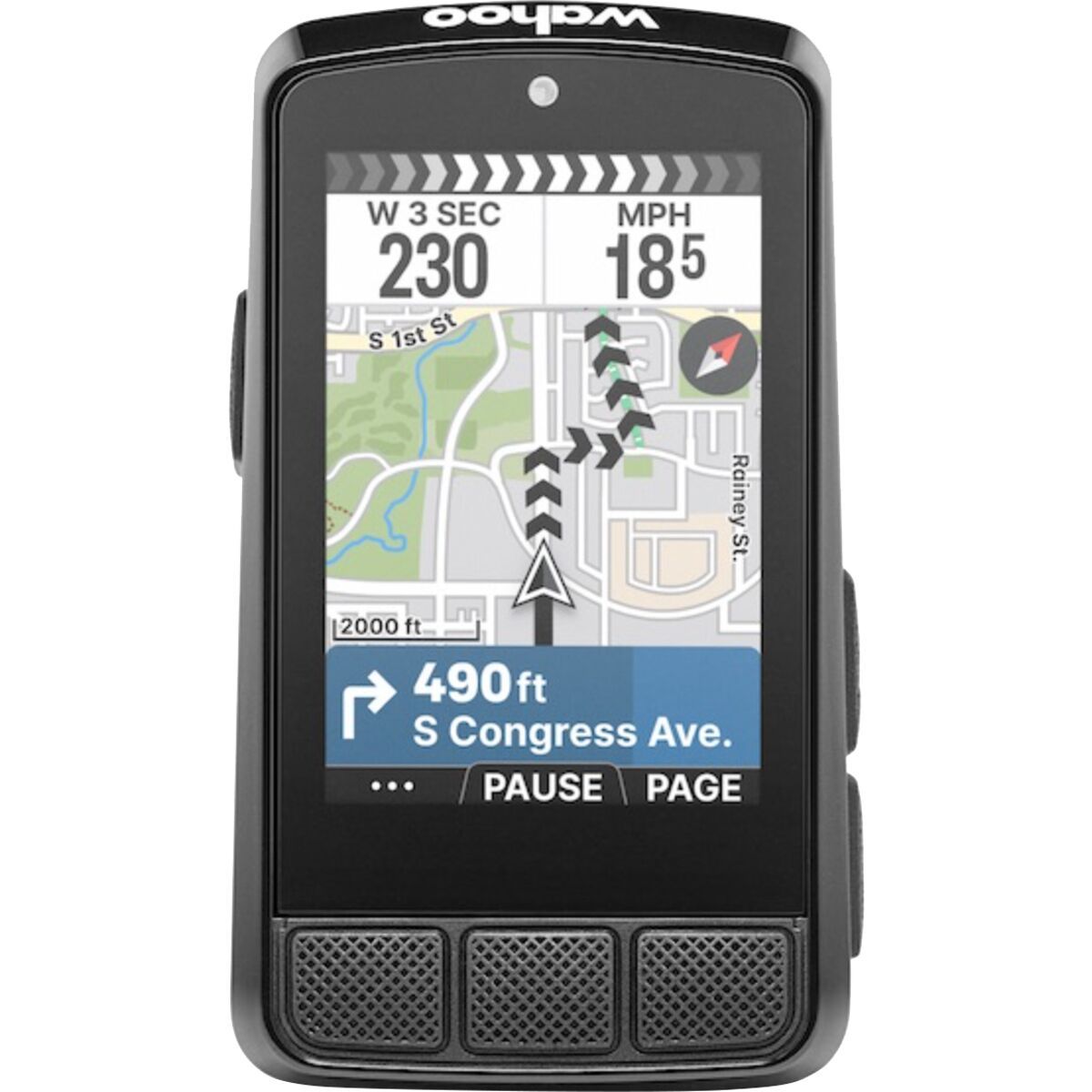
Wahoo ELEMNT BOLT 3
Execute your training plan with the Wahoo BOLT 3 — structured workouts display on-screen.