Paris Marathon Training Guide 2026: Run Through the City of Light
The definitive training guide for the Schneider Electric Marathon de Paris. Run through one of the world's most beautiful cities, from the Champs-Elysees past the Louvre and Notre-Dame, with views of the Eiffel Tower. Complete course strategy, France travel tips, and race day execution.
Calculate Your Paris Pace
Plan your splits for the scenic course
In This Guide
The Paris Marathon Experience
The Marathon de Paris is one of the most scenic marathons in the world. Running through the City of Light, you'll pass world-famous landmarks that most people only dream of visiting - the Arc de Triomphe, the Louvre, Notre-Dame Cathedral, and views of the Eiffel Tower - all while 50,000+ runners share the experience with you.
First held in 1896 (making it one of the oldest marathons in Europe), the modern Marathon de Paris has grown into one of the world's largest marathons. The spring timing, typically ideal weather, and unmatched scenery attract runners from over 100 countries annually.
The course takes you on a journey through Paris's history and beauty - from the grandeur of the Champs-Elysees, through the vast Bois de Vincennes forest, along the Seine River with views of Notre-Dame, and finally to a triumphant finish on Avenue Foch with the Arc de Triomphe in view.
The 2026 Paris Marathon: Scheduled for Sunday, April 5, 2026. Registration opens in fall 2025. The race fills up, so register early to secure your spot in one of the world's most beautiful marathons.
Course Profile: Champs-Elysees to Vincennes and Back
The Paris Marathon is a point-to-point course that starts on the Champs-Elysees near the Arc de Triomphe, heads east through central Paris to the Bois de Vincennes forest, then returns west along the Seine to finish on Avenue Foch. The course is mostly flat with some gentle undulations.
Key Course Statistics
| Start Location | Champs-Elysees (near Arc de Triomphe) |
| Finish Location | Avenue Foch (near Arc de Triomphe) |
| Total Elevation Gain | ~500 feet (152 meters) |
| Course Type | Point-to-point loop, mostly flat with gentle rolling |
| Course Record (Men) | 2:04:21 (Elisha Rotich, 2021) |
| Course Record (Women) | 2:19:50 (Tigist Memuye, 2024) |
| Time Limit | 6 hours |
| Field Size | ~55,000 runners |
Mile-by-Mile Course Breakdown
Miles 1-3: Champs-Elysees & Place de la Concorde
Start on the iconic Champs-Elysees with the Arc de Triomphe behind you. Run down the famous avenue with a gentle descent. Pass Place de la Concorde and the Tuileries Gardens. The energy is electric - over 50,000 runners sharing the experience.
Miles 3-6: Rue de Rivoli & Towards Bastille
Run along Rue de Rivoli past the Louvre Museum - a stunning sight. Continue toward Place de la Bastille. Flat terrain with some gentle undulations. Good crowd support through central Paris.
Miles 6-8: Place de la Bastille & Entering Vincennes
Pass the historic Place de la Bastille (site of the famous revolutionary prison). Head east toward the Bois de Vincennes. Transition from city streets to park roads.
Miles 8-18: Bois de Vincennes (THE FOREST SECTION)
Approximately 10 miles through the large forested park. Rolling terrain with gentle hills. Crowds thin but the scenery is beautiful. This is where the race can feel long - stay mentally engaged. Multiple loops through the park. Good tree cover provides shade.
Miles 18-21: Exit Vincennes & Return to Central Paris
Exit the Bois de Vincennes and head back toward central Paris. Pass through the 12th and 4th arrondissements. Energy increases as you approach the Seine River.
Miles 21-24: Along the Seine & Notre-Dame
Run along the beautiful Seine River with views of Notre-Dame Cathedral (under reconstruction but still stunning). This is one of the most scenic sections - use the views to motivate you through the tough final miles.
Miles 24-26.2: Eiffel Tower Views & Avenue Foch Finish
Cross to the Right Bank, with views of the Eiffel Tower in the distance. Enter the Bois de Boulogne briefly. Finish on the grand Avenue Foch with the Arc de Triomphe ahead. The final stretch is lined with massive crowds.
The Vincennes Challenge: The 10-mile loop through the Bois de Vincennes forest (miles 8-18) is mentally challenging due to thinner crowds and repetitive scenery. Stay focused on your pacing and save your emotional energy for the spectacular Seine section in the final miles.
Paris Landmarks Tour
Running the Paris Marathon is like a 26.2-mile sightseeing tour of one of the world's most beautiful cities.
Landmarks by Mile
| Mile | Landmark | Significance |
|---|---|---|
| Start | Champs-Elysees / Arc de Triomphe | World's most famous avenue, Napoleon's arch |
| 2 | Place de la Concorde | Historic square, Egyptian obelisk |
| 3-4 | Louvre Museum | World's largest art museum |
| 6 | Place de la Bastille | Site of the famous prison, revolutionary history |
| 8-18 | Bois de Vincennes | Paris's largest park, medieval chateau |
| 22-23 | Notre-Dame Cathedral | Gothic masterpiece (under restoration) |
| 24-25 | Eiffel Tower (views) | Paris's iconic landmark |
| Finish | Avenue Foch / Arc de Triomphe | Grand finish near starting point |
Registration & Entry
The Paris Marathon uses open registration - no lottery required. However, the race is popular and typically sells out, so early registration is essential.
Registration Timeline
- Early Registration: Opens in fall for previous participants and club members
- General Registration: Opens shortly after, first-come first-served
- Entry Fee: Approximately 130-180 euros depending on timing
- The race typically sells out several months before race day
Entry Options
Standard Entry
Register directly through the official website when registration opens. Best rates for early registration.
Travel Packages
International tour operators offer packages with guaranteed entry, accommodations, and services. Good option if standard registration is sold out.
Charity Entry
Run for a charity partner with fundraising commitment. Limited availability.
Paris-Specific Training
Training for the Paris Marathon should focus on the course's characteristics: gentle rolling terrain, a long forest section, and potential spring weather variability.
Key Training Focuses
Rolling Terrain Adaptation
The Vincennes section has gentle rolling hills. Include undulating terrain in your long runs. Practice maintaining even effort on small inclines.
Mental Preparation for Vincennes
The 10-mile forest section (miles 8-18) can be mentally challenging with thinner crowds. Practice staying focused during quieter sections of long runs. Break the section into smaller mental segments.
Variable Weather Training
April in Paris can be cool, warm, or rainy. Train in various conditions so you're prepared for anything. Have multiple race day outfit options.
Crowd Navigation
With 55,000 runners, the course is crowded. Practice running in congested conditions. Be patient in the early miles and avoid excessive weaving.
16-Week Training Overview
Weeks 1-4: Base Building
- Build to 40-50 miles/week
- Include rolling terrain in easy runs
- One tempo run per week (20-30 min)
- Long runs building to 14-16 miles
Weeks 5-8: Strength Phase
- Peak mileage: 50-60 miles/week
- Marathon pace long runs on rolling terrain
- Tempo runs extending to 40-50 minutes
- Include some mild hill work
Weeks 9-12: Race-Specific Phase (KEY WEEKS)
- Long runs: 18-22 miles with significant marathon pace work
- Simulate the Vincennes section: 8-10 mile steady sections
- Tune-up race (half marathon recommended)
- Practice race nutrition strategy
Weeks 13-16: Taper & Travel Prep
- Reduce mileage: 70% > 50% > 30%
- Maintain some intensity
- Final long run: 12-14 miles (2 weeks out)
- Travel to Paris 2-3 days before race
Get Your Paris Marathon Training Plan
Our training plan generator creates rolling terrain plans with mental strength work tailored to your goal time.
Generate Your PlanFrance Travel Planning
Paris is one of the world's most visited cities, and marathon weekend is especially busy. Plan accommodations and transportation well in advance.
When to Arrive
Arrive in Paris at least 2-3 days before the race. The time difference from North America is 6-9 hours, so jet lag is manageable but still a factor.
Where to Stay
- Near Champs-Elysees/8th arr.: Walking distance to start, upscale options
- Bastille/12th arr.: Near course, good Metro connections
- Le Marais/4th arr.: Central, charming neighborhood
- Book early: Marathon weekend hotels fill quickly and prices increase
Getting Around Paris
- Metro: Excellent for getting around, though crowded race morning
- Race Morning: Metro to Charles de Gaulle Etoile (Line 1, 2, 6) or George V (Line 1)
- Walking: Stay near start if possible to avoid race morning transport stress
- From Airports: CDG - RER B (~45 min), Orly - Orlybus/Orlyval
Pre-Race Dining Tips
- French bakeries (boulangeries) offer excellent bread and pastries for carb-loading
- Pasta restaurants are plentiful - stick to simple preparations
- Avoid heavy French cuisine (rich sauces, heavy creams) close to race day
- Stay well-hydrated - French cafes serve small espresso portions
Weather Preparation
April weather in Paris is typically ideal for marathoning, but spring conditions can be variable. Be prepared for anything from cool and rainy to warm and sunny.
Historical Weather Data
| Condition | Typical | Ideal | Extreme |
|---|---|---|---|
| Start Temp (8 AM) | 45-55°F (7-13°C) | 48-55°F (9-13°C) | 38-65°F (3-18°C) |
| Finish Temp | 55-65°F (13-18°C) | 55-60°F (13-16°C) | 45-72°F (7-22°C) |
| Rain Chance | 30-40% | 0-10% | All-day rain possible |
| Wind | 5-15 mph | Under 10 mph | Gusty along Seine |
Gear Recommendations for Paris
Pack for variable April weather. The start can be chilly while waiting, so layering options are essential.
Essential Race Day Gear
Racing Shoes
Carbon-plated racing shoes for the mostly flat course. The roads are smooth and well-maintained.
Shop Racing Shoes at BackcountryArm Warmers
Essential for the typically cool April start. Easy to remove if conditions warm.
Shop Arm Warmers at BackcountryLight Gloves
Lightweight running gloves for cold starts. Can discard or tuck into shorts.
Shop Running Gloves at BackcountryPackable Rain Jacket
April showers are possible. A light rain jacket can save your race.
Shop Running Jackets at BackcountryGPS Watch
Essential for pacing. The course winds through urban areas where GPS can be affected.
Shop GPS Watches at BackcountrySunglasses
For sunny conditions. Also helpful for wind protection along the Seine.
Shop Running Sunglasses at BackcountryPacing Strategy
The Paris Marathon course is mostly flat with gentle rolling in Vincennes. Even pacing works well, but account for the mental challenge of the forest section.
Pacing Philosophy
The Strategy: Run the first 8 miles at goal pace or slightly slower due to crowds. Stay patient through Vincennes (miles 8-18). Use the scenic Seine section (miles 21-24) to maintain motivation. Push in the final miles to the Avenue Foch finish.
Sample Pacing: 3:45 Goal (8:35/mile)
| Section | Miles | Target Pace | Notes |
|---|---|---|---|
| Champs-Elysees/City | 1-8 | 8:35-8:45 | Crowded, stay patient |
| Vincennes | 9-18 | 8:35 | Stay focused, steady effort |
| Return/Seine | 19-24 | 8:30-8:35 | Use scenery for motivation |
| Finish | 25-26.2 | 8:25-8:35 | Push to Avenue Foch |
Calculate Your Paris Splits
Use our pace calculator to generate custom splits for your Paris goal time.
Pace CalculatorRace Week in Paris
Expo & Packet Pickup
The Paris Marathon Expo is held at the Porte de Versailles exhibition center (Parc des Expositions), Thursday-Saturday before the race.
- Bring passport/ID and race confirmation
- Metro: Line 12 to Porte de Versailles
- Go Thursday or Friday to avoid Saturday crowds
- The expo is large with many vendors
Race Morning Timeline
- 5:00-5:30 AM: Wake up, eat pre-race meal
- 6:00-6:30 AM: Leave for start area
- 6:30-7:30 AM: Arrive at Champs-Elysees, drop bags, restrooms
- 7:30-7:45 AM: Move to starting pens
- 8:00-8:45 AM: Wave starts begin
Race Day Execution
Key Race Moments
Miles 1-4: The Tourist Miles
Enjoy the Champs-Elysees and Louvre views, but stay focused on controlled pacing. It's crowded - be patient.
Miles 8-18: Vincennes Focus
The forest section can feel long with thinner crowds. Stay mentally engaged. Break it into 5K segments. Enjoy the shade and nature.
Miles 21-24: Seine Scenery
The most beautiful section. Notre-Dame, the Seine, and energetic crowds. Use this to push through the tough final miles.
Miles 25-26.2: Avenue Foch Finish
The grand finale. Massive crowds line Avenue Foch. The Arc de Triomphe appears ahead. Soak in the Parisian finish!
Aid Station Notes
- Water and sports drink (Powerade) at aid stations
- Approximately every 5km (3.1 miles)
- Food available at later stations (fruit, energy bars)
- Carry your own nutrition if you prefer specific gels
- Sponge stations available for cooling
Frequently Asked Questions
What is the Paris Marathon course like?
The Paris Marathon is a point-to-point course that starts on the Champs-Elysees, heads east through the Bois de Vincennes, then returns west to finish on Avenue Foch. The course is relatively flat with a few gentle hills, passing iconic landmarks including the Louvre, Notre-Dame, and views of the Eiffel Tower.
When is the Paris Marathon 2026?
The Paris Marathon 2026 is scheduled for Sunday, April 5, 2026. The race is typically held on the first or second Sunday of April. The elite start is at 8:00 AM, with wave starts for the general field following.
How do I register for the Paris Marathon?
The Paris Marathon uses open registration that typically opens in fall. There's no lottery - spots are first-come, first-served, but the race does sell out. Entry fee is approximately 130-180 euros. Book early as the race fills quickly.
What is the weather like for the Paris Marathon in April?
April weather in Paris is typically cool to mild, ideal for marathoning. Temperatures usually range from 45-60°F (7-15°C), with the possibility of rain. Prepare for variable conditions with layering options.
What landmarks will I pass during the Paris Marathon?
You'll pass the Arc de Triomphe, Champs-Elysees, Place de la Concorde, Louvre Museum, Place de la Bastille, Bois de Vincennes, Notre-Dame Cathedral, views of the Eiffel Tower, and finish on Avenue Foch.
Is the Paris Marathon hilly?
The Paris Marathon is relatively flat with about 500 feet of total elevation gain. The main challenges are gentle rolling terrain in the Bois de Vincennes (miles 8-18) and some undulations along the Seine. Nothing steep, but not perfectly flat.
What gear should I bring for the Paris Marathon?
Pack for variable April weather: racing singlet and shorts, arm warmers (essential), light gloves for cold starts, a packable rain jacket, and throwaway layers for the start. Bring sunglasses and anti-chafe products.
Is the Paris Marathon good for a PR attempt?
The Paris Marathon can be good for PRs but isn't the flattest course. The rolling terrain in Vincennes adds challenge compared to Berlin or Chicago. However, April weather is typically ideal, the scenery is motivating, and many runners achieve PRs here.
How do I get around Paris for the marathon?
Paris has excellent public transportation. The Metro is efficient for getting around. For race morning, take the Metro to Charles de Gaulle Etoile station (Line 1, 2, 6) or George V (Line 1). Many runners walk to the start if staying nearby.
Related Guides & Calculators
Featured at Backcountry — 15% off first order
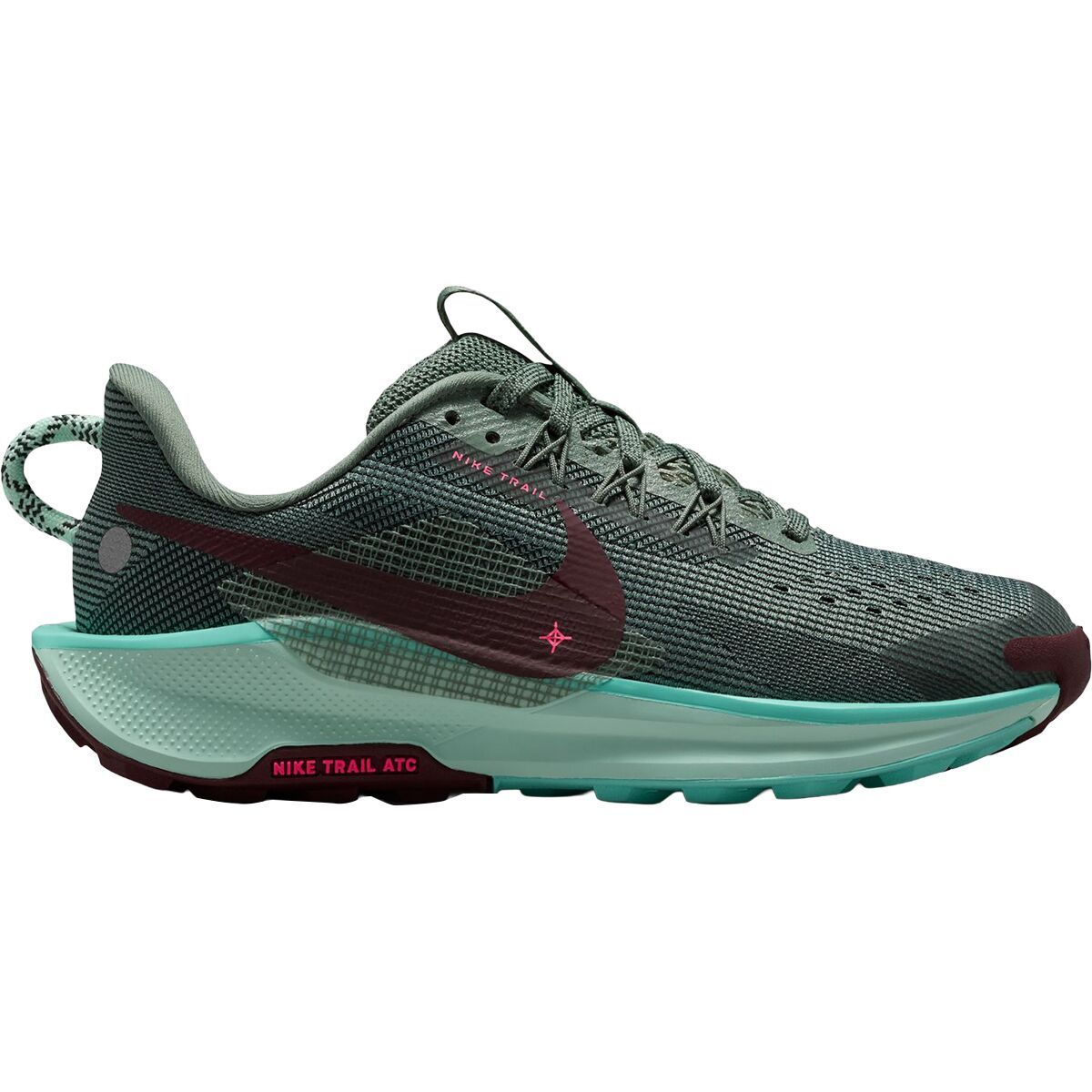
Nike Pegasus Trail 5
Our go-to trail-capable training shoe. React foam + sticky outsole.