The bike-to-run transition separates triathlon from every other endurance sport. That sensation of concrete legs, labored breathing, and uncoordinated movement in the first miles off the bike is uniquely challenging, and it can only be mastered through deliberate brick training. This comprehensive guide covers everything you need to know about brick workouts: the science behind why they work, 10 progressive workouts from beginner to elite, race-specific protocols for every distance, and the strategies that will have you running strong when others are struggling.
What Are Brick Workouts?
A brick workout combines two triathlon disciplines performed back-to-back with minimal rest, simulating race conditions. While the term can apply to any combination (swim-bike, run-bike, or even swim-run), the most common and critical brick is the bike-to-run session that prepares you for the T2 transition.
Why "Brick"?
Several theories exist: the sensation of "brick-like" legs during the run, the activities being "bricked" together like building blocks, or a tribute to workout pioneer Matt Brick. Regardless of origin, the workout has become essential for every serious triathlete.
The Standard Brick Format
45 min - 5+ hours
Based on race distance
1-5 minutes
Practice race speed
10-90+ minutes
Often starting at race pace
Key Benefits of Brick Training
Physiological Adaptations
- Faster blood redistribution between muscle groups
- Improved neuromuscular coordination under fatigue
- Better running economy in fatigued state
- Enhanced metabolic flexibility
- Reduced perceived effort at race pace
Mental & Practical Benefits
- Race-day confidence from familiar sensations
- Transition practice and efficiency
- Nutrition strategy testing
- Pacing discipline development
- Mental toughness in discomfort
Bike-to-Run Transition Physiology
Understanding why running off the bike feels so difficult helps you train more effectively. Several physiological factors combine to create that characteristic "brick legs" sensation:
Muscle Recruitment Differences
| Factor | Cycling | Running |
|---|---|---|
| Hip Flexion Range | 75-110 degrees | 10-50 degrees |
| Quadriceps State | Shortened, concentric focus | Must lengthen for stride |
| Calf Loading | Minimal eccentric load | Significant impact absorption |
| Glute Activation | Seated, limited extension | Full extension required |
| Core Engagement | Stabilization in fixed position | Dynamic rotation and stability |
Cardiovascular Adjustments
When you dismount your bike and start running, your cardiovascular system must rapidly adapt:
- Blood Redistribution: Blood that has pooled in cycling-specific muscles must shift to running muscles
- Venous Return Changes: Moving from seated to upright position alters how blood returns to the heart
- Heart Rate Spike: Initial 10-15 BPM increase as the system adapts to new demands
- Stroke Volume Adjustment: Heart must pump differently to meet running requirements
- Respiratory Pattern Shift: Breathing mechanics change significantly between activities
Metabolic State
The Pre-Fatigue Challenge
When you start running, you're already carrying significant metabolic debt from cycling:
- Glycogen stores partially depleted (especially in Type I fibers)
- Lactate and hydrogen ions accumulated in muscles
- Core temperature elevated
- Potential dehydration depending on bike duration
- Electrolyte levels altered
Neural Adaptation Timeline
Research shows that neuromuscular coordination improves over the first 10-15 minutes of running off the bike. This is why pacing strategy is critical:
10 Sample Brick Workout Progressions
These workouts progress from beginner to advanced. Start where appropriate for your current fitness and experience level, then progress as your body adapts.
Workout 1: The Adaptation Brick
BeginnerGoal: Experience the brick sensation in a controlled, low-stress environment
Bike: 30 minutes at easy effort (Zone 2)
Transition: 3-5 minutes (take your time)
Run: 10 minutes easy jog/walk
Focus: Notice how your legs feel. Don't worry about pace. Walk if needed.
Workout 2: The Foundation Brick
BeginnerGoal: Build duration while maintaining easy effort
Bike: 45 minutes at easy-moderate effort (Zone 2-3)
Transition: 2-3 minutes
Run: 15 minutes easy (conversational pace)
Focus: Practice transition sequence. Keep run entirely aerobic.
Workout 3: The Transition Focus Brick
IntermediateGoal: Practice fast transitions with multiple repetitions
4 rounds of:
- Bike: 15 minutes at moderate effort (Zone 3)
- Transition: Race-pace T2 practice (<90 seconds)
- Run: 5 minutes at moderate effort
Focus: Perfect your transition routine. Same sequence every time.
Workout 4: The Building Block Brick
IntermediateGoal: Extend duration with steady-state effort
Bike: 60 minutes with last 15 min at tempo (Zone 3-4)
Transition: 2 minutes
Run: 20 minutes starting easy, last 10 min at tempo
Focus: Build into effort. Don't start the run hard.
Workout 5: The Quality Brick
IntermediateGoal: Add structured intensity to both segments
Bike: 75 minutes with 3x8 min at threshold (Zone 4)
Transition: 90 seconds
Run: 25 minutes with 4x3 min at 10K effort
Focus: Execute intervals despite fatigue. Maintain form.
Workout 6: The Race Pace Brick
AdvancedGoal: Practice race-specific pacing and nutrition
Bike: 90 minutes at race power/effort
Transition: Race-pace T2 (<60 seconds)
Run: 30 minutes at goal race pace from the start
Focus: Test race nutrition. Practice finding pace immediately.
Workout 7: The Long Brick
AdvancedGoal: Build race-distance specific endurance
Bike: 2.5-3 hours at steady race effort
Transition: 90 seconds
Run: 45 minutes progressive (easy to race pace)
Focus: Nutrition every 20-30 min on bike. Practice run fueling.
Workout 8: The Over-Distance Brick
AdvancedGoal: Build confidence through over-distance training
Bike: 3.5-4 hours at easy-moderate (below race effort)
Transition: 2 minutes
Run: 60 minutes at easy pace
Focus: Time on feet matters more than pace. Practice late-race nutrition.
Workout 9: The Race Simulation
EliteGoal: Full dress rehearsal for race day
Bike: Race distance at race power/HR
Transition: Full race setup and execution
Run: First half of race distance at goal pace
Focus: Everything race-day: kit, nutrition, pacing, mindset.
Workout 10: The Sharpener Brick
Elite/TaperGoal: Stay sharp during taper without creating fatigue
Bike: 45 minutes with 3x5 min at race effort
Transition: Race-pace T2
Run: 15 minutes with 4x1 min at race pace
Focus: Feel fast and confident. Don't dig deep. Save it for race day.
Sprint Distance Brick Workouts
Sprint triathlons (750m swim, 20km bike, 5km run) demand speed, power, and lightning-fast transitions. Brick training should emphasize high intensity and transition efficiency.
Sprint-Specific Training Focus
Bike Emphasis:
- - High power output sustainability
- - Above-threshold efforts (Zone 4-5)
- - Aerobic capacity intervals
- - Race-pace repeatability
Run Emphasis:
- - Fast leg turnover off the bike
- - 5K race pace tolerance
- - Quick neuromuscular adaptation
- - Finishing speed
Key Sprint Brick Workouts
Sprint Race Simulation
20km bike at race effort (100-105% FTP) followed by 5km run at race pace. Full transition practice.
When to use: 2-3 weeks before A-race
Sprint Speed Brick
30 min bike with 4x4 min at 110% FTP followed by 15 min run with 5x90 sec at 5K pace.
When to use: Build phase, once per week
Transition Repeats
5x (10 min hard bike + 4 min fast run) with full T2 practice each repetition. Focus on sub-60 second transitions.
When to use: 4-6 weeks before race
Sprint Distance Pro Tip
In sprint racing, the athlete who can run closest to their standalone 5K pace wins. Practice maintaining high leg turnover (90+ cadence) immediately off the bike. The first 400 meters sets the tone for your entire run.
Olympic Distance Brick Workouts
Olympic distance (1.5km swim, 40km bike, 10km run) requires sustained threshold effort and the ability to run a solid 10K on tired legs. Bricks should balance endurance with race-pace work.
Olympic-Specific Training Focus
Bike Emphasis:
- - Threshold power sustainability (95-100% FTP)
- - 60-75 minute race effort
- - Negative split capability
- - Power steadiness over varied terrain
Run Emphasis:
- - 10K pace maintenance on tired legs
- - Even or negative splits
- - Tempo running durability
- - Late-race acceleration
Key Olympic Brick Workouts
Olympic Full Simulation
40km bike at race power (92-98% FTP) followed by 10km run at goal pace. Practice race nutrition throughout.
When to use: 2-3 weeks before A-race
Threshold Brick
60 min bike with 2x15 min at threshold followed by 30 min run with 2x10 min at half marathon pace.
When to use: Build phase, key session
Progressive Olympic Brick
75 min bike building from Zone 2 to Zone 4 over final 30 min followed by 40 min run: 20 min easy building to 20 min at race pace.
When to use: Peak phase
70.3 (Half Ironman) Brick Workouts
Half Ironman (1.9km swim, 90km bike, 21.1km run) demands pacing discipline, nutritional precision, and the aerobic capacity to run a half marathon after 3+ hours of racing.
70.3-Specific Training Focus
Bike Emphasis:
- - Sub-threshold sustainability (75-85% FTP)
- - 2.5-3 hour race duration
- - Carbohydrate intake (60-90g/hr)
- - Power discipline (avoid surges)
Run Emphasis:
- - Half marathon pace durability
- - Fueling while running
- - Managing the first 5K wisely
- - Heat and fatigue tolerance
Key 70.3 Brick Workouts
70.3 Race Simulation
3-hour bike at race power (75-85% FTP) followed by 45-60 min run at goal 70.3 pace. Full race nutrition protocol.
When to use: 3-4 weeks before A-race
Long Steady Brick
3.5-4 hour easy-moderate bike followed by 30 min easy run. Focus on time on feet and nutrition practice.
When to use: Build phase long day
Race-Pace Quality Brick
2.5 hours bike with final 60 min at race power followed by 13-mile run with miles 4-10 at 70.3 race pace.
When to use: Peak phase key session
70.3 Nutrition Practice
Every long brick is a nutrition rehearsal. Target 60-90g carbs/hour on the bike and test your run fueling strategy. If something doesn't work in training, you have time to adjust before race day.
Ironman Distance Brick Workouts
Ironman (3.8km swim, 180km bike, 42.2km run) is ultimately about surviving the bike to have a marathon left in your legs. Brick training focuses on ultra-endurance adaptation and meticulous nutrition.
Ironman Brick Caution
Full race-simulation bricks (5+ hour bike + long run) create enormous training stress. Use them sparingly: 2-3 per training cycle maximum. Most adaptation comes from consistent moderate-length bricks, not occasional monster sessions that require 7-10 days recovery.
Ironman-Specific Training Focus
Bike Emphasis:
- - Sustainable power (65-75% FTP)
- - 5-6+ hour duration
- - Optimal fueling (80-100g/hr)
- - Hydration and electrolyte balance
- - Discipline to stay conservative
Run Emphasis:
- - Ironman marathon pace (not standalone pace)
- - Walk break strategy if needed
- - Aid station fueling execution
- - Heat management
- - Mental durability
Key Ironman Brick Workouts
Ironman Race Simulation
5-6 hour bike at race power (65-75% FTP) followed by 60-90 min run at goal Ironman marathon pace. Complete race nutrition.
When to use: 4-5 weeks before A-race (limit to 2-3 total)
Marathon Prep Brick
3-hour steady bike followed by 2-hour run including race-pace segments in the second hour.
When to use: Build phase, key long day
Back-to-Back Days
Day 1: 5-hour bike | Day 2: 2.5-hour run. Simulates accumulated fatigue without single-session stress.
When to use: Build phase (replaces race-sim brick)
Moderate Weekly Brick
2.5-3 hour bike at easy-moderate effort followed by 45 min run easy. Consistent adaptation without excessive fatigue.
When to use: Weekly throughout training cycle
Transition Area Setup
Brick workouts are your laboratory for perfecting T2 transitions. A well-practiced, efficient transition can save 30-60 seconds over a disorganized one, and that time adds up over a race season.
Essential T2 Setup Components
Running Shoes
- - Positioned with heels toward you
- - Tongues pulled up and out
- - Elastic laces installed (highly recommended)
- - Socks inside if you use them (or go sockless)
Race Belt
- - Number already attached
- - Laid flat, ready to grab
- - Clip facing correct direction
- - Consider elastic race belt
Accessories
- - Running hat/visor if needed
- - Sunglasses positioned for quick grab
- - Any run nutrition ready
- - Sunscreen applied pre-race
Towel/Mat
- - Small towel for foot wiping if needed
- - Bright color for visibility
- - Everything laid on top in order of use
- - Practice in same layout every time
The T2 Sequence (Practice This Exactly)
- 1 Dismount before the line - Running speed dismount as you approach T2
- 2 Run to your spot - Bike shoes can run (or remove before line if using speedplay)
- 3 Rack bike - Helmet stays ON until bike is racked (DQ violation otherwise)
- 4 Helmet off - Toss onto towel or hang on aerobars
- 5 Shoes on - Slide feet in, elastic laces ready (no tying!)
- 6 Race belt on - Clip while starting to move
- 7 Grab nutrition/accessories - Hat, gels, whatever you need
- 8 GO - Start running immediately, settle into pace
Pro Transition Tip
Practice your transition in the exact order every single time. Race-day nerves can scramble your brain, but muscle memory doesn't forget. If you've done the same sequence 50 times in training, your body will execute it automatically when the pressure is on.
Nutrition During Brick Workouts
Brick workouts are your primary opportunity to dial in race nutrition. What works in a standalone bike ride or run may not work when combined. Test everything in training.
Bike Nutrition Guidelines
| Duration | Carbs/Hour | Fluid/Hour | Notes |
|---|---|---|---|
| <60 min | 0-30g | 400-600ml | Water often sufficient |
| 60-90 min | 30-60g | 500-750ml | Sports drink + gel |
| 90-180 min | 60-90g | 600-1000ml | Multiple sources, electrolytes |
| 180+ min | 80-120g | 750-1200ml | Trained gut required, sodium focus |
Run Nutrition Guidelines
Sprint/Olympic
- - Water at aid stations usually sufficient
- - One gel mid-run for Olympic if desired
- - Focus on hydration in hot conditions
70.3/Ironman
- - 30-60g carbs/hour essential
- - Gels, chews, or liquid calories
- - Sodium supplementation in heat
- - Cola/flat soda late race for sugar + caffeine
Testing Protocol
- 1. Start conservative: Begin with lower carb intake and increase gradually
- 2. One variable at a time: Don't test new products and new timing simultaneously
- 3. Simulate race conditions: Practice in similar heat, humidity, and intensity
- 4. Note everything: Keep a log of what you ate, when, and how you felt
- 5. Have backup options: Know 2-3 products that work for you
The Golden Rule
Nothing new on race day. Every gel, drink, bar, and salt tab you use in competition should be tested multiple times in training brick workouts. Your gut adapts to specific products, so consistency matters.
Recovery From Brick Sessions
Brick workouts create more training stress than equivalent single-discipline sessions. Proper recovery is essential to absorb the adaptation and avoid overtraining.
Immediate Post-Brick (0-60 minutes)
- Protein + Carbs: 20-40g protein with 40-80g carbs within 30 minutes
- Hydration: Replace 150% of fluid lost (weigh before and after)
- Electrolytes: Sodium and potassium replenishment, especially in heat
- Light Movement: 5-10 min easy walking rather than immediate sitting
- Compression: Consider compression socks/tights for long bricks
Same-Day Recovery (1-12 hours)
Regular meals with protein emphasis. Anti-inflammatory foods (berries, fatty fish, leafy greens).
Light stretching, foam rolling, or yoga. Focus on hip flexors, quads, calves.
Elevation, compression, possibly ice bath or contrast therapy for long sessions.
Recovery Timeline by Brick Intensity
| Brick Type | Recovery Needed | Next Hard Session |
|---|---|---|
| Short Easy Brick (60-90 min total) | 24-36 hours | Next day possible |
| Moderate Brick (2-3 hours) | 36-48 hours | Easy day next, hard in 2 days |
| Long Brick (3-4 hours) | 48-72 hours | 2-3 easy days before intensity |
| Race Simulation (4+ hours) | 4-7 days | Easy week, then normal training |
Sleep: The Ultimate Recovery Tool
After demanding brick sessions, prioritize sleep above all other recovery methods:
- - Aim for 8-9 hours on nights following long bricks
- - Consider a 20-30 minute nap same day if possible
- - Sleep quality matters: dark, cool room, consistent schedule
- - HRV tracking can indicate when you've recovered
Common Brick Workout Mistakes
1. Too Many Bricks
The most common mistake is overdoing brick frequency. More isn't better.
Fix: Limit to 1-2 bricks per week maximum, with many weeks having just one.
2. Starting the Run Too Fast
Adrenaline and race simulation mentality leads to blowing up in the first mile.
Fix: Start 20-30 sec/mile slower than goal pace for first 5-10 minutes, then build.
3. Neglecting Easy Bricks
Every brick becomes a race-pace suffer-fest instead of building adaptation gradually.
Fix: Include easy bricks where both segments are Zone 2. Adaptation still occurs.
4. Skipping Transition Practice
Just changing shoes and heading out misses half the benefit of brick training.
Fix: Set up mock transition every time. Practice the exact race-day sequence.
5. Ignoring Nutrition Practice
Training your gut to handle race-day fueling requires consistent practice.
Fix: Every brick over 90 minutes includes race-like nutrition protocol.
6. Wrong Timing in Training Cycle
Doing race-simulation bricks too early (base phase) or too late (taper).
Fix: Base phase: easy bricks. Build phase: progressive bricks. Peak: race simulations. Taper: short openers only.
7. Insufficient Recovery
Scheduling hard sessions the day after a long brick leads to accumulated fatigue.
Fix: Always follow bricks with easy or rest days. Long bricks need 48-72 hours before intensity.
8. Bike Effort Too High
Riding above race effort then wondering why the run falls apart.
Fix: For race simulations, ride at or slightly below race power. Save 5% for the run.
9. Not Adapting to Conditions
Doing the same brick regardless of heat, wind, or accumulated training fatigue.
Fix: Adjust effort for conditions. Hot day? Reduce intensity. Heavy training week? Shorter brick.
10. Only Doing Bike-Run Bricks
Ignoring swim-bike transitions which also require practice.
Fix: Include swim-bike bricks monthly, especially in final 6-8 weeks before racing.
Weekly Programming Recommendations
Brick Frequency by Training Phase
| Phase | Bricks/Week | Intensity | Duration |
|---|---|---|---|
| Base (8-12 weeks out) | 0-1 | Easy/moderate | Short-moderate |
| Build (4-8 weeks out) | 1-2 | Progressive | Building to race-specific |
| Peak (2-4 weeks out) | 1-2 | Race-pace | Race simulations |
| Taper (0-2 weeks out) | 0-1 | Short openers | Reduced volume |
Sample Olympic Distance Training Week (Build Phase)
Monday: Swim 45 min (technique focus) + Easy run 30 min
Tuesday: Bike intervals 60 min (4x5 min at threshold)
Wednesday: SHORT BRICK: 45 min bike + 20 min run tempo
Thursday: Swim 60 min + Run intervals (6x800m at 10K pace)
Friday: Rest or easy 30 min swim
Saturday: LONG BRICK: 75 min bike at race effort + 40 min progressive run
Sunday: Long run 60-75 min easy OR recovery swim + easy spin
Sample 70.3 Training Week (Peak Phase)
Monday: Swim 60 min (open water if possible) + Easy run 40 min
Tuesday: Bike threshold 2.5 hours (2x20 min at race power)
Wednesday: SHORT BRICK: 60 min steady bike + 25 min run with strides
Thursday: Swim 45 min + Run tempo 50 min (20 min at HM pace)
Friday: Easy swim 30 min (technique focus)
Saturday: RACE SIM BRICK: 3 hr bike at race power + 50 min at 70.3 pace
Sunday: Recovery: Easy spin 45 min + stretching/yoga
Brick Placement Guidelines
- Weekend long brick: Saturday or Sunday, followed by recovery day
- Midweek short brick: Wednesday works well for most schedules
- Never before key sessions: Don't schedule bricks before interval days
- Consider recovery demands: Long bricks need 48-72 hours before next hard effort
- Weather awareness: Move outdoor bricks to cooler parts of day in summer
Essential Gear for Fast Transitions
The right gear can shave valuable seconds off your transitions and make brick training more effective. Here are the essentials:
Elastic Laces
Convert any running shoe to slip-on. Saves 15-30 seconds per transition, and more importantly, eliminates fumbling with laces when your hands are cold or sweaty.
Shop Elastic Laces at BackcountryRace Belt
Allows you to clip on your number while running out of T2 instead of pinning to your kit. Look for elastic belts with secure clips.
Shop Race Belts at BackcountryTriathlon-Specific Running Shoes
Designed for sockless running with drainage holes and seamless interiors. Popular options include ASICS Noosa, Nike Vaporfly with sockless comfort, and Saucony Fastwitch.
Shop Tri Running Shoes at BackcountryTriathlon Suit
One kit for all three disciplines eliminates clothing changes. Look for quick-dry fabric, minimal padding (enough for bike comfort, not so much it affects running), and rear pockets for nutrition.
Shop Triathlon Suits at BackcountrySpeedplay or Look Pedals with Rubber Caps
Allow running in cycling shoes with rubber covers over cleats. Leave shoes clipped to pedals for flying mounts/dismounts. Takes practice but saves significant time.
Shop Pedals at BackcountryTriathlon Watch
Multisport mode tracks all three disciplines plus transitions. Garmin 965, Forerunner 965, and COROS Pace 3 are top choices for triathletes.
Shop Triathlon Watches at BackcountryGear Tip
Practice with all race gear during brick workouts, not just race week. New shoes, new watch, new kit should all be tested multiple times before racing in them.
Frequently Asked Questions
What is a brick workout in triathlon?
A brick workout combines two disciplines back-to-back with minimal transition time, typically bike-to-run. The name comes from the "brick-like" feeling in your legs when you start running after cycling. Bricks train your body to adapt to the unique physiological demands of changing activities mid-race.
Why are brick workouts important for triathletes?
Brick workouts are essential because they train your neuromuscular system to switch from cycling to running efficiently. They help you adapt to blood flow redistribution, develop race-specific fitness, practice transitions, test nutrition strategies, and build mental confidence for race day.
How often should I do brick workouts?
Most triathletes benefit from 1-2 brick workouts per week during build and peak phases. During base phase, 0-1 bricks per week is sufficient. During taper, reduce to short opener bricks only. Quality and recovery matter more than frequency.
How long should my brick run be?
Brick run duration depends on your race distance and training phase. For Sprint: 10-20 minutes. For Olympic: 20-40 minutes. For 70.3: 30-60 minutes. For Ironman: 45-90 minutes. Start conservatively and build over your training cycle.
Should I eat during brick workouts?
Yes, especially for longer bricks. Use brick workouts to practice your race nutrition. For bricks under 90 minutes, focus on hydration. For longer sessions, practice taking in 60-90g carbs per hour on the bike and test what works on the run.
Why do my legs feel so heavy when running off the bike?
Heavy legs result from several factors: blood pooling in cycling muscles, different muscle recruitment patterns between cycling and running, metabolic byproduct accumulation, and neural adaptation time. Regular brick training significantly reduces this sensation.
What pace should I run during brick workouts?
Start brick runs 15-30 seconds per mile slower than your standalone run pace for that distance. Your body needs time to adapt. After 5-10 minutes, you can work toward race pace. For race simulations, practice holding goal race pace from the start.
Can beginners do brick workouts?
Absolutely. Beginners should start with short, easy bricks: 20-30 minute easy bike followed by 10-15 minute easy run/walk. Focus on the experience of transitioning, not intensity. Gradually increase duration as fitness improves before adding intensity.
Should I do swim-bike bricks too?
Yes, swim-bike bricks are valuable, especially 4-6 weeks before your race. They help you practice T1 transitions and adapt to cycling after swimming. However, bike-run bricks should be your priority since the T2 transition is more challenging physiologically.
How do I set up a home transition area for brick practice?
Create a mock transition with: a spot to rack your bike, running shoes with elastic laces laid open, race belt with number attached, sunglasses, and any nutrition you'll carry. Practice the exact sequence you'll use on race day until it becomes automatic.
What's the difference between brick workouts for Sprint vs Ironman?
Sprint bricks emphasize speed and quick transitions with high intensity and shorter duration (30-45 min bike + 15-20 min run). Ironman bricks focus on endurance and pacing with longer duration (3-5 hour bike + 45-90 min run) at sustainable race effort, plus extensive nutrition practice.
How long before a race should I do my last long brick?
Complete your last race-simulation brick 2-3 weeks before your A-race. This allows adequate recovery while maintaining fitness. In the final 1-2 weeks, do only short opener bricks if any, focusing on feeling sharp rather than building fitness.
Conclusion: Building Your Brick Foundation
Brick workouts are the bridge between training as a swimmer-cyclist-runner and racing as a triathlete. The sensations of running off the bike, the heavy legs, the elevated heart rate, the mental challenge of pushing through discomfort are uniquely triathlon challenges that can only be mastered through deliberate, consistent practice.
Start where you are. If you're new to triathlon, begin with Workout 1 and progress gradually. If you're experienced, use this guide to add structure and variety to your brick training. Focus on quality over quantity, always prioritize recovery, and use every brick as an opportunity to practice transitions and test nutrition.
By race day, you'll have the confidence that comes from knowing exactly what to expect from your body when you dismount your bike and start running. That confidence, built through months of brick training, will carry you to the finish line when others are struggling.
Now get out there and lay some bricks.
Plan Your Training
Use our pace and power calculators to set appropriate targets for your brick workouts.
RunBikeCalc Team
Triathlon training expertise for athletes at every level, from first-timers to Ironman veterans.
Related Guides
Training Tools
Featured at Backcountry — 15% off first order
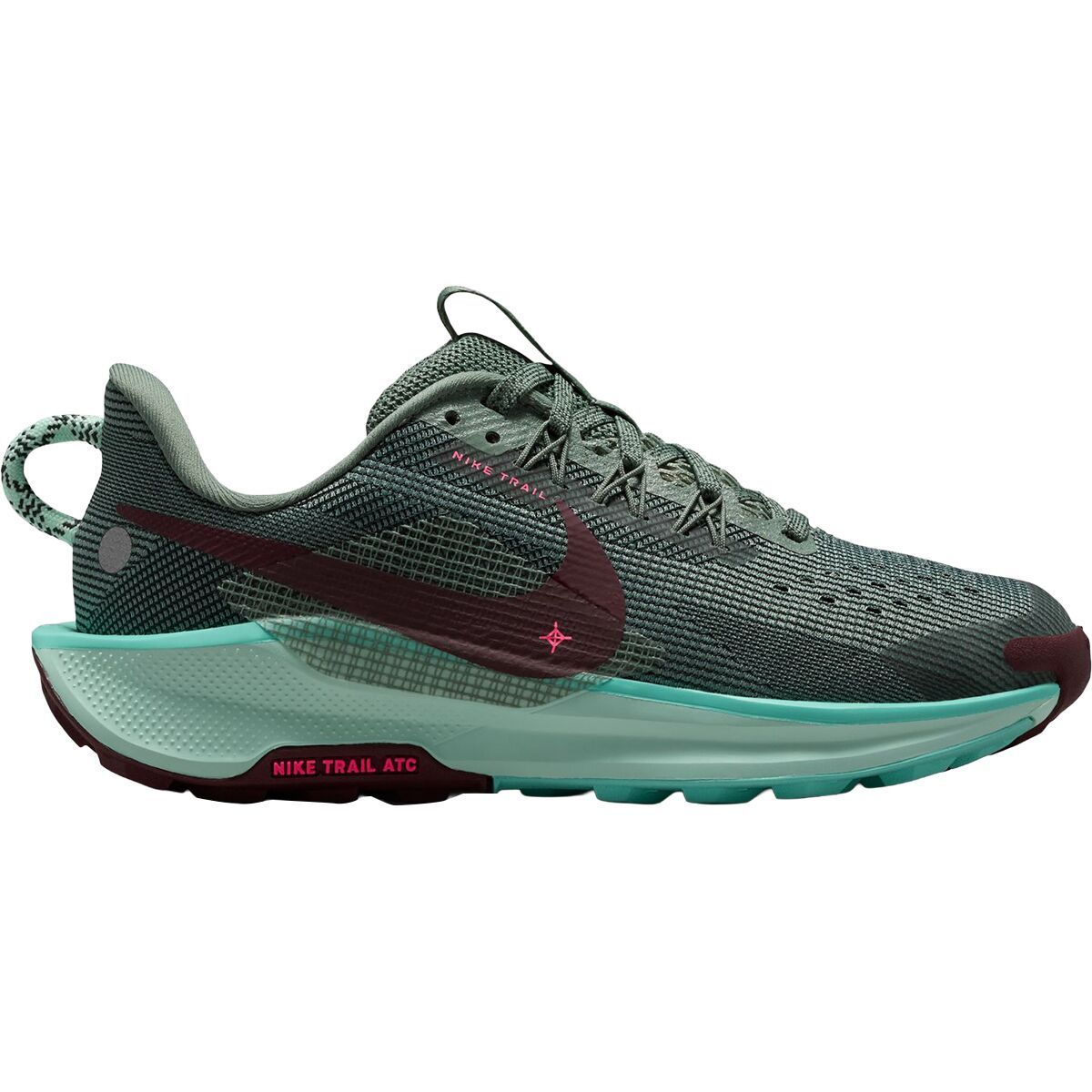
Nike Pegasus Trail 5
Our go-to trail-capable training shoe. React foam + sticky outsole.