LA Marathon Training Guide 2026: Stadium to Sea - From Dodger Stadium to the Pacific Ocean
The definitive training guide for the LA Marathon. Master the iconic Stadium to Sea course through Los Angeles' most famous neighborhoods, prepare for California heat, and finish with breathtaking ocean views in Santa Monica.
Calculate Your LA Marathon Pace
Plan your splits for the downhill course with heat adjustments
In This Guide
The Stadium to Sea Experience
The LA Marathon is a celebration of Southern California at its finest. Starting in the shadow of Dodger Stadium as the sun rises over the San Gabriel Mountains, and finishing on Ocean Avenue with the Pacific Ocean gleaming before you - this is a marathon unlike any other.
The "Stadium to Sea" course takes runners on a 26.2-mile journey through the heart of Los Angeles - from the historic neighborhoods of Echo Park and Downtown LA, through the glamour of Hollywood and Beverly Hills, past the trendy streets of West Hollywood and Brentwood, and finally to the iconic finish in Santa Monica. It's a tour of LA's greatest hits, all on closed roads.
Founded in 1986, the LA Marathon has become one of America's premier running events, attracting over 25,000 runners annually. The point-to-point course offers a net downhill profile of approximately 400 feet, making it a potential PR course for those who respect the hills in the first half and manage the potential for heat in the second.
The 2026 LA Marathon: Scheduled for Sunday, March 8, 2026. Registration opens in spring 2025. The race typically sells out, so register early to secure your spot on one of America's most scenic marathon courses.
Course Profile: Dodger Stadium to Santa Monica
The LA Marathon is a point-to-point course running 26.2 miles from Dodger Stadium in Echo Park to Ocean Avenue in Santa Monica. The net elevation drop of approximately 400 feet makes it faster than a flat course, but the profile has several significant hills in the first 13 miles that require smart pacing.
Key Course Statistics
| Start Elevation | 475 feet (Dodger Stadium) |
| Finish Elevation | 75 feet (Santa Monica) |
| Net Elevation Drop | ~400 feet |
| Total Elevation Gain | ~900 feet |
| Biggest Climb | Highland Ave (miles 7-8): ~200 feet |
| Course Record (Men) | 2:09:42 (Elisha Barno, 2019) |
| Course Record (Women) | 2:26:16 (Margaret Wangari, 2024) |
| Time Limit | 6 hours 30 minutes |
Mile-by-Mile Course Breakdown
Miles 1-3: Dodger Stadium & Downtown LA
Start in the Dodger Stadium parking lot with the downtown skyline ahead. The first 3 miles wind through Echo Park and into downtown Los Angeles. Mostly flat with a few gentle undulations. Run controlled - the excitement is high but save energy for the climbs ahead.
Miles 4-6: Downtown LA to Hollywood
Pass through the historic core of downtown LA, including City Hall and the music center. The course begins heading northwest toward Hollywood. Some gentle rolling terrain as you enter East Hollywood. Good crowd support in this section.
Miles 7-8: Highland Avenue Climb (CHALLENGING)
The toughest section of the course. A significant climb up Highland Avenue toward Hollywood Boulevard, gaining about 200 feet over 1.5 miles. Don't fight this hill - run by effort, let your pace slow, and maintain steady breathing. You'll see the Hollywood Sign in the distance.
Miles 8-10: Hollywood Boulevard & Sunset Strip
Run past the TCL Chinese Theatre, the Hollywood Walk of Fame, and iconic Hollywood landmarks. The crowds are incredible here. After the climb, enjoy some well-deserved downhill. Another moderate climb on Sunset Boulevard toward West Hollywood.
Miles 10-13: West Hollywood & Beverly Hills Approach
One more significant climb on Doheny Drive (about 100 feet gain). The famous rainbow crosswalks of West Hollywood provide visual energy. After mile 13, the major climbing is done. You've earned the easier second half.
Miles 13-17: Beverly Hills & Century City
The course flattens significantly. Run through the tree-lined streets of Beverly Hills, past Rodeo Drive (mile 17). The shade from the trees is welcome if the sun is out. Mentally, you're entering the business portion of the marathon.
Miles 17-22: Westwood & Brentwood
Pass near UCLA's campus through Westwood, then into the upscale neighborhood of Brentwood. The course continues to gently descend. San Vicente Boulevard offers a median running path with good shade. This is where heat can become a factor as the morning progresses.
Miles 22-26.2: San Vicente to the Sea
You can smell the ocean now. San Vicente continues its gentle descent toward the coast. At mile 25, you'll catch your first glimpses of the Pacific. Turn onto Ocean Avenue for the iconic finish with the Pacific Ocean as your backdrop. The crowds in Santa Monica are electric.
The LA Marathon Paradox: Despite being net downhill, LA is not always a fast course because of the hills in the first half and potential for heat in the second half. Runners who respect the early hills and manage their effort in heat run significantly faster than those who fight the terrain and ignore conditions.
Iconic LA Neighborhoods Tour
Running the LA Marathon is like taking a 26.2-mile tour of Los Angeles' greatest hits. Each neighborhood brings its own character, crowd energy, and visual landmarks.
Neighborhood-by-Neighborhood Guide
| Miles | Neighborhood | Highlights | Crowd Energy |
|---|---|---|---|
| Start | Dodger Stadium | Iconic baseball stadium, sunrise views | Electric |
| 1-2 | Echo Park | Historic neighborhood, palm trees | Good |
| 3-5 | Downtown LA | City Hall, Music Center, skyscrapers | Strong |
| 7-9 | Hollywood | Walk of Fame, Chinese Theatre, Hollywood Sign | Incredible |
| 10-12 | West Hollywood | Rainbow crosswalks, Sunset Strip vibe | Festive |
| 13-17 | Beverly Hills | Rodeo Drive, palm-lined streets, mansions | Moderate |
| 18-20 | Westwood/UCLA | College campus energy, young crowds | Good |
| 21-24 | Brentwood | Tree-lined San Vicente, upscale homes | Growing |
| 25-Finish | Santa Monica | Ocean views, palm trees, beach finish | Massive |
Hollywood Energy Warning: The crowds on Hollywood Boulevard (mile 8-9) are incredible - costumes, music, and thousands of cheering fans. It's easy to get swept up and run too fast. You're climbing or just finished the biggest climb on the course. Keep your effort controlled and enjoy the entertainment without surging.
Registration & Entry
The LA Marathon is an open registration race - no qualifying time required. Anyone can enter until the race sells out.
Entry Options
Standard Entry
Open registration typically begins in spring for the following March race. Early bird pricing starts around $199, increasing as the race approaches. Final pricing typically $299+. The race usually sells out several months before race day.
Charity Entry
Run for an official charity partner with a fundraising minimum (typically $1,500-2,500). Guaranteed entry plus training support and charity team experience.
VIP Experience
Premium packages include pre-race hospitality, dedicated start corral, finish line perks, and exclusive gear. Prices start around $500-800.
LA-Specific Training Plan
Training for the LA Marathon requires preparation for three key challenges: the significant hills in the first half, the net downhill profile, and the potential for heat. Your training should address all three.
Key Training Focuses
Hill Strength
The Highland Avenue and Doheny Drive climbs require hill-specific preparation. Include weekly hill workouts: 6-10 x 90-second climbs or 4-6 x longer 3-4 minute hill efforts.
Downhill Adaptation
The net downhill profile causes eccentric muscle damage. Include downhill running in training: weekly downhill repeats and long runs with significant descent to build quad resilience.
Heat Tolerance
March in LA can be hot. Even if you live in a cold climate, include some heat training: extra layers during easy runs, occasional midday runs, or sauna sessions to build heat adaptation.
Long Run Course Simulation
Simulate the course profile: long runs with significant climbing in the first half, followed by flat or downhill terrain. Practice running controlled on climbs and recovering on descents.
16-Week Training Overview
Weeks 1-4: Base Building + Hill Introduction
- Build to 40-50 miles/week
- Introduce hill repeats: 6 x 90-second climbs
- Begin downhill adaptation: 6 x 200m downhill at marathon pace
- One tempo run per week (20-30 min)
- Long runs building to 14-16 miles
Weeks 5-8: Strength Phase
- Peak mileage: 50-60 miles/week
- Longer hill repeats: 8-10 x 2-minute climbs
- Downhill tempo runs: 3-4 miles at marathon pace on gradual decline
- Long runs: 16-18 miles with hilly first half
- Begin heat adaptation if possible
Weeks 9-12: Race-Specific Phase (KEY WEEKS)
- LA simulation long runs: 18-22 miles with climbs early, flat/downhill finish
- Marathon pace work on varied terrain
- Practice nutrition strategy during long runs
- Tune-up race (half marathon recommended)
- Increase heat exposure in final weeks before taper
Weeks 13-16: Taper
- Reduce mileage: 70% > 50% > 30%
- Maintain some hill and downhill work
- Final long run: 12-14 miles (2 weeks out)
- Mental preparation and pacing strategy
- Travel to LA; course preview if possible
Get Your LA Marathon Training Plan
Our training plan generator creates LA-specific plans with built-in hill work, downhill training, and heat adaptation based on your fitness level and goal time.
Generate Your PlanHeat Adaptation Training
Heat is the wild card at the LA Marathon. March temperatures can range from perfect (50-60°F) to challenging (70-85°F). The difference in performance between ideal and hot conditions can be 10+ minutes for a 4-hour marathoner. Proper heat adaptation gives you a significant advantage.
Heat Adaptation Strategies
Overdressing Training
During easy runs in your final 4-6 weeks, wear extra layers to simulate heat stress. This triggers plasma volume expansion and improved sweating response. Only do this on easy effort days.
Midday Running
If possible, do occasional easy runs during the warmest part of the day. This helps your body learn to regulate temperature under stress.
Sauna Protocol
Post-run sauna sessions (15-30 minutes) can accelerate heat adaptation. Start with 10 minutes and build up. Stay well hydrated. This is particularly useful for runners in cold climates.
Arrive Early
If possible, arrive in Los Angeles 3-5 days before the race. Even brief exposure to the local climate helps your body adjust.
Heat Pace Adjustments: For every 5°F above 60°F, plan to slow down 10-30 seconds per mile. A 3:30 goal in 60°F conditions becomes a 3:35-3:40 goal at 70°F. Don't fight the heat - adjust your expectations and finish healthy.
Weather Preparation
March weather in Los Angeles is more variable than people expect. The marine layer often keeps mornings cool, but it can burn off quickly, leaving runners exposed to afternoon sun.
Historical Weather Patterns
| Condition | Typical Range | Ideal | Extreme |
|---|---|---|---|
| Start Temp (7 AM) | 50-65°F | 52-58°F | 45-75°F |
| Finish Temp (10AM-1PM) | 65-80°F | 60-70°F | 55-90°F |
| Marine Layer | Often present | All race | Burns off by 10 AM |
| Humidity | 40-70% | 40-55% | 80%+ |
Weather Contingency Plans
Cool/Overcast (50-60°F)
Ideal conditions. Execute your A-goal pace. Arm warmers for start, singlet and shorts for the race. This is PR weather - take advantage.
Mild/Warming (60-70°F)
B-goal conditions. Start conservatively, expect to slow 5-15 seconds/mile in the second half as temps rise. Extra hydration. Light colors.
Warm/Sunny (70-80°F)
C-goal conditions. Significant pace adjustment (20-40 sec/mile). Take every water stop. Consider pouring water on your head. Focus on finishing healthy.
Hot (80°F+)
Survival mode. Abandon time goals entirely. Walk aid stations. Watch for heat illness symptoms. The finish line is the only goal.
Gear Recommendations for LA
The LA Marathon's variable weather and early morning start require versatile gear choices. Plan for cool conditions at the start that may warm significantly by finish.
Essential Race Day Gear
Racing Shoes
Carbon-plated shoes help on the hills and take advantage of the net downhill. Choose shoes with good cushioning for the concrete streets.
Shop Racing Shoes at BackcountryLightweight Singlet
Light-colored, breathable singlet for sun reflection. Moisture-wicking fabric is essential for potential heat.
Shop Running Singlets at BackcountryArm Warmers
Perfect for the cool Dodger Stadium start. Easy to remove and tuck into shorts when it warms up.
Shop Arm Warmers at BackcountryVisor or Light Cap
Essential sun protection for the potentially sunny second half. Light color to reflect heat.
Shop Running Hats at BackcountryGPS Watch
Essential for pacing on the varied terrain. Set alerts to keep you controlled on the early hills.
Shop GPS Watches at BackcountrySunglasses
Lightweight running sunglasses for the sunny sections. Reduces eye strain and helps with glare off buildings.
Shop Running Sunglasses at BackcountryPre-Race Throwaway Gear
The start at Dodger Stadium can be cool (50-60°F) before sunrise. Bring disposable layers:
- Old sweatshirt or long-sleeve shirt
- Throwaway gloves
- Space blanket (often provided at start)
- Old sneakers to keep race shoes fresh
Pacing Strategy
The LA Marathon requires a different pacing approach than flat courses. You need to respect the early hills, capitalize on the net downhill, and be prepared to adjust for heat.
The LA Pacing Philosophy
The Rule: Run the first 13 miles conservatively, by effort rather than pace. Let the hills dictate your splits. Then take advantage of the flat-to-downhill second half to run strong to the beach. Always have backup plans for heat.
Sample Pacing: 3:45 Goal (8:35/mi average) - Cool Conditions
| Section | Miles | Target Pace | Notes |
|---|---|---|---|
| Downtown LA | 1-6 | 8:35-8:45 | Stay controlled, save for hills |
| Highland Climb | 7-8 | 9:00-9:15 | Run by effort, accept slower pace |
| Hollywood/WeHo | 9-13 | 8:30-8:45 | Recover, one more climb at Doheny |
| Beverly Hills/Westwood | 14-20 | 8:25-8:35 | Flat to downhill, find rhythm |
| To the Sea | 21-26.2 | 8:20-8:30 | Gentle descent, push to ocean |
Heat-Adjusted Pacing
If conditions are warm, adjust your entire race plan:
- 65-70°F: Add 5-15 sec/mile to all targets
- 70-75°F: Add 15-30 sec/mile to all targets
- 75-80°F: Add 30-45 sec/mile, take all water stops
- 80°F+: Run by feel, walk water stops, prioritize safety
Calculate Your LA Marathon Splits
Use our pace calculator to generate custom splits adjusted for LA's course profile and your goal conditions.
Pace CalculatorRace Week Logistics
Expo & Bib Pickup
The LA Marathon Expo takes place at Dodger Stadium on Friday and Saturday before the race. This is where you'll pick up your bib, timing chip, and race shirt.
- Bring photo ID and confirmation
- Go Friday to avoid Saturday crowds
- The expo includes gear vendors and information booths
- Parking available at Dodger Stadium
Race Morning Timeline
- 3:00-3:30 AM: Wake up, eat pre-race meal
- 4:00-5:30 AM: Shuttles depart Santa Monica to Dodger Stadium
- 5:00-6:00 AM: Arrive at Dodger Stadium, use restrooms, prepare
- 6:15-6:30 AM: Move to starting corrals
- 6:45 AM: Elite start
- 6:55+ AM: Wave starts begin
Getting to the Start
The LA Marathon is a point-to-point course. Most runners take official shuttles from Santa Monica to the Dodger Stadium start.
- Official Shuttles: Free buses from Santa Monica (recommended). Depart 4:00-5:30 AM.
- Rideshare/Taxi: Can drop off at Dodger Stadium, but no return transport.
- Personal Vehicle: Only if someone drives you and picks you up in Santa Monica.
- Do NOT drive yourself - you'll finish 26 miles from your car!
Race Day Execution
At Dodger Stadium
The staging area at Dodger Stadium opens around 4:30 AM. The parking lot transforms into a massive staging area with portable toilets, warming areas, and gear check.
- Arrive early to avoid long restroom lines
- Stay warm in throwaway layers until the last minute
- Eat final nutrition 60-90 minutes before your start
- Move to your corral 15-20 minutes before your wave
Key Race Moments
Mile 1-5: Controlled Start
The downtown LA energy is high. Fight the urge to go fast - you have big climbs ahead. Run 10-15 sec slower than goal pace.
Mile 7-8: Highland Avenue
The biggest climb. Run by effort, not pace. Shorten your stride, increase cadence. You'll see the Hollywood Sign - enjoy the view!
Mile 8-9: Hollywood Boulevard
Incredible crowds, costumes, and energy. The descent feels amazing after the climb. Don't surge - maintain control.
Mile 13.1: Halfway Check
The major climbs are done. Check your split - should be even or slightly slow. The easier half begins now.
Mile 17: Rodeo Drive
Running through Beverly Hills. Crowds are good. Assess how you feel - if good, start building toward goal pace.
Mile 22-25: San Vicente
Gentle descent toward the ocean. This is where the race is won or lost. If you've paced well, push now.
Mile 26: Ocean in Sight
You can see the Pacific Ocean. The crowds in Santa Monica are incredible. Turn onto Ocean Avenue for the iconic finish.
Aid Station Strategy
- Water and Gatorade available at every aid station (approximately every mile)
- Take fluid at every station if temperatures are warm
- Gels typically available at miles 12 and 19
- Consider carrying your own nutrition for specific timing
Frequently Asked Questions
What is the LA Marathon Stadium to Sea course like?
The LA Marathon "Stadium to Sea" course is a point-to-point route from Dodger Stadium in Echo Park to Ocean Avenue in Santa Monica. It's a net downhill course dropping about 400 feet over 26.2 miles, passing through iconic LA neighborhoods including downtown, Hollywood, Beverly Hills, and Brentwood. The course features several moderate hills in the first half before flattening through West LA to the ocean finish.
When is the LA Marathon 2026?
The LA Marathon 2026 is scheduled for Sunday, March 8, 2026. The race typically takes place on the second or third Sunday of March. The elite start is at 6:45 AM, with wave starts for the general field following. The early start helps runners avoid the midday heat that can occur in Southern California even in March.
What is the weather like for the LA Marathon in March?
March weather in Los Angeles can be unpredictable. Temperatures typically range from 50-75°F at the start, potentially reaching 75-85°F by finish time for slower runners. The marine layer often provides cloud cover in the morning, burning off by midday. Some years have seen temperatures in the 90s, while others have been cool and rainy. Heat is the primary concern - prepare for warm conditions.
How hard are the hills on the LA Marathon course?
The LA Marathon has several notable hills in the first 13 miles. The steepest climb is around mile 7-8 on Highland Avenue approaching Hollywood Boulevard (about 200 feet of gain over 1.5 miles). There's another significant climb near mile 10-11 on Doheny Drive toward Sunset Boulevard. After mile 16, the course is mostly flat through West LA to Santa Monica.
How do I get to the start at Dodger Stadium?
The LA Marathon provides free shuttle buses from Santa Monica to Dodger Stadium on race morning. Shuttles depart from 4:00-5:30 AM and take about 1 hour. You can also take a rideshare to Dodger Stadium - the parking lot opens early. Do NOT drive yourself unless someone can pick you up in Santa Monica.
What should I wear for the LA Marathon?
Prepare for variable conditions. The Dodger Stadium start is often cool (50-60°F), but by the time you reach Santa Monica it can be significantly warmer (70-85°F). Wear light-colored, breathable racing gear. Consider arm warmers for the start. A visor or light cap is essential for sun protection.
How do I qualify for the LA Marathon?
The LA Marathon is an open registration race - no qualifying time is required. Registration opens in the spring/summer for the following March race. Entry fees typically range from $199-299 depending on when you register. The race typically sells out, so register early.
What are the best spectator spots on the LA Marathon course?
Top spectator locations include: the start at Dodger Stadium, Downtown LA near mile 4-5, Hollywood Boulevard near the Chinese Theatre at mile 8, Rodeo Drive in Beverly Hills at mile 17, San Vicente Boulevard in Brentwood around mile 22, and the finish on Ocean Avenue in Santa Monica.
How do I pace the LA Marathon with the hills and heat?
Start conservatively - the early miles are net uphill. Run the Highland Avenue and Doheny Drive climbs by effort, not pace. Take advantage of the gentle descent through Beverly Hills and West LA. If the sun comes out after mile 18, be prepared to slow down. Factor in 10-30 seconds per mile slower for every 5 degrees above 60°F.
Related Guides & Calculators
Featured at Backcountry — 15% off first order
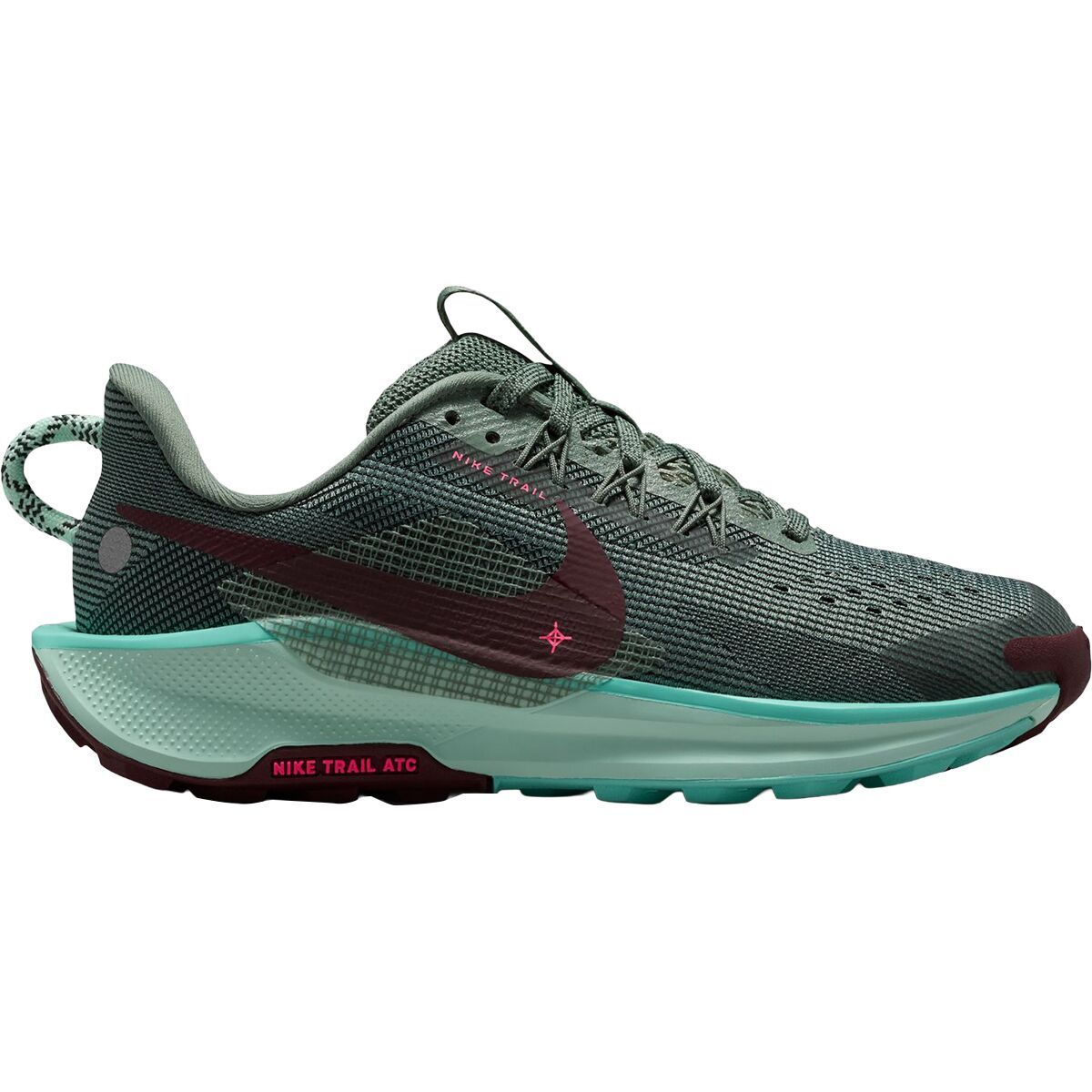
Nike Pegasus Trail 5
Our go-to trail-capable training shoe. React foam + sticky outsole.