NYC Marathon Training Guide 2026: Conquering Five Boroughs and Five Bridges
The complete guide to the TCS New York City Marathon. Master the iconic five-bridge course, experience the world's largest marathon through five diverse boroughs, and finish strong in Central Park with two million spectators cheering you on.
Calculate Your NYC Pace
Plan effort-based splits for the rolling course
In This Guide
The NYC Marathon Experience
The TCS New York City Marathon is the world's largest marathon - and possibly its most iconic. Each November, 50,000+ runners traverse all five New York City boroughs, crossing five bridges, and experience roughly two million spectators lining the streets. It's not the fastest major marathon, but many consider it the greatest.
First run in 1970 with just 127 starters (55 finishers) in Central Park, the NYC Marathon grew into a citywide phenomenon under legendary race director Fred Lebow. The course that winds from Staten Island through Brooklyn, Queens, the Bronx, and finally Manhattan has become a bucket-list event for runners worldwide.
Running NYC is less about chasing a PR and more about experiencing something magical. The ethnic neighborhoods, the bridges with their stunning skyline views, the celebrities at the finish line, and the sheer volume of human energy make this marathon unlike any other.
The 2026 NYC Marathon: Scheduled for Sunday, November 1, 2026. The lottery opens in January, with the 9+1 program and time qualifier entries also available. With 50,000+ finishers, it's the world's largest marathon.
Course Profile: Five Boroughs, Five Bridges
The NYC Marathon is a point-to-point course from Staten Island to Central Park in Manhattan. The defining features are five major bridges and the constant rolling terrain through diverse neighborhoods.
Key Course Statistics
| Start | Fort Wadsworth, Staten Island |
| Finish | Central Park (Tavern on the Green area) |
| Total Elevation Gain | ~890 feet (271 meters) |
| Number of Bridges | 5 major bridges |
| Boroughs | Staten Island, Brooklyn, Queens, Bronx, Manhattan |
| Course Record (Men) | 2:05:06 (Geoffrey Mutai, 2011) |
| Course Record (Women) | 2:22:31 (Margaret Okayo, 2003) |
| Time Limit | 8 hours 30 minutes |
The Five Bridges
| Bridge | Mile | Climb | Notes |
|---|---|---|---|
| Verrazzano-Narrows | 1-2 | ~130 ft up, 90 ft down | Iconic start, stunning views, very windy |
| Pulaski Bridge | 13 | ~40 ft | Brooklyn to Queens, halfway marker |
| Queensboro Bridge | 15-16 | ~110 ft | THE hard part - no crowd, 1 mile climb |
| Willis Avenue Bridge | 20 | ~30 ft | Manhattan to Bronx, quick climb |
| Madison Avenue Bridge | 21 | ~30 ft | Bronx back to Manhattan, final bridge |
The Queensboro Bridge Challenge: Miles 15-16 on the Queensboro Bridge is where races are won and lost. After miles of electric Brooklyn crowds, you enter a silent, uphill mile. Spectators aren't allowed on the bridge. The sudden quiet, combined with the climb at mile 15-16, breaks many runners. Stay patient, run by effort, and trust that the First Avenue crowds are waiting on the other side.
Borough-by-Borough Guide
Each borough has its own personality. Understanding what to expect in each section helps you mentally prepare for the journey.
Staten Island (Miles 0-2): The Start
You'll spend hours in Fort Wadsworth before crossing the Verrazzano-Narrows Bridge. The bridge climb feels effortless on fresh legs - don't be fooled. Run conservatively and enjoy the spectacular harbor views. Watch for wind gusts. Two lanes merge after the bridge.
Brooklyn (Miles 3-13): The Party
Ten glorious miles through Brooklyn's diverse neighborhoods: Bay Ridge, Sunset Park, Park Slope, Fort Greene, Williamsburg, Greenpoint. Ethnic communities line the streets with music, food, and incredible energy. The crowds are massive, especially in Williamsburg around mile 11-12. Enjoy the party but maintain discipline - don't surge.
Queens (Miles 13-16): The Test
Short but critical. The Pulaski Bridge at mile 13 transitions you from Brooklyn to Queens. The Queensboro Bridge from miles 15-16 is the race's defining challenge. One mile uphill in silence after the Brooklyn party. This is where mental strength matters most. Survive the bridge; don't try to conquer it.
Manhattan (Miles 16-20, 21-26.2): The Reward & the Finish
Emerging onto First Avenue is pure magic - a wall of sound after the silent bridge. Stay controlled despite the energy rush. At mile 20, you briefly enter the Bronx before returning to Manhattan at mile 21. The final 5 miles through Harlem and into Central Park feature rolling hills. The last stretch in Central Park is emotional - soak it in.
The Bronx (Mile 20-21): The Detour
A brief mile through the South Bronx. Vocal crowds despite fewer spectators than Manhattan. Willis Avenue Bridge takes you in, Madison Avenue Bridge brings you back. Two more bridge climbs when you least want them. Stay strong - only 5K left after this.
Entry Methods & Lottery
Getting into the NYC Marathon requires strategy. The lottery is extremely competitive, but multiple paths exist.
1. Non-Guaranteed Lottery
Apply in January/February for the November race. Acceptance rate is approximately 10% - one of the most competitive in the world. $11 application fee, race entry ~$300 if accepted.
2. NYRR 9+1 Program (Best Option for NYC Locals)
Run 9 qualifying NYRR races plus volunteer once during the calendar year to guarantee entry the following year. This is the most reliable path for runners living in the NYC area. Requires NYRR membership.
3. Time Qualifier
Meet age/gender standards to guarantee entry. Standards are competitive but achievable for experienced runners.
| Age Group | Men | Women |
|---|---|---|
| 18-34 | 2:53:00 | 3:13:00 |
| 35-39 | 2:55:00 | 3:15:00 |
| 40-44 | 2:58:00 | 3:26:00 |
| 45-49 | 3:05:00 | 3:38:00 |
| 50-54 | 3:14:00 | 3:51:00 |
| 55-59 | 3:23:00 | 4:10:00 |
| 60-64 | 3:34:00 | 4:26:00 |
| 65-69 | 3:45:00 | 4:44:00 |
| 70+ | 4:10:00 | 5:10:00 |
4. Charity Entry
Run for an official charity partner with a fundraising minimum of $2,500+. Guaranteed entry regardless of lottery.
5. International Tour Operators
Book a travel package through an official tour operator for guaranteed entry plus accommodations.
NYC-Specific Training
Training for the NYC Marathon requires a balance of hill work, bridge-specific preparation, and mental conditioning for the course's unique challenges.
Key Training Focuses
Bridge Simulation
Find long, gradual climbs (0.5-1 mile at 3-5% grade) and practice running them at marathon effort in the middle of long runs. The Queensboro Bridge is a 1-mile climb at mile 15-16 - simulate this specifically.
Rolling Terrain Training
NYC is constantly rolling - small climbs and descents throughout. Do long runs on hilly terrain to build the leg strength and running economy for constant elevation changes.
Late-Race Climbing
Central Park has rolling hills in the final miles. Do hill repeats at the END of long runs to simulate climbing when fatigued. 4-6 x 90-second hills after 16+ miles.
Mental Preparation
Practice running in silence after energetic sections. The transition from Brooklyn crowds to the silent Queensboro Bridge is jarring. Do some training runs without music to build mental resilience.
16-Week Training Overview
Weeks 1-4: Base Building + Hill Introduction
- Build to 40-50 miles/week
- Introduce hill strides 2x/week
- One tempo run per week
- Long runs on rolling terrain (14-16 miles)
Weeks 5-8: Strength Phase
- Peak mileage: 50-60 miles/week
- Bridge simulations: 2 x 1-mile climb at marathon effort
- Hilly long runs: 16-18 miles with significant elevation
- Tempo runs on rolling terrain
Weeks 9-12: Race-Specific Phase (KEY WEEKS)
- Long runs: 20-22 miles on NYC-like terrain
- Marathon pace work on hills
- Late-race hill repeats (at end of long runs)
- Tune-up half marathon
Weeks 13-16: Taper
- Reduce mileage: 70% > 50% > 30%
- Maintain some hill work at reduced volume
- Final long run: 12-14 miles (2 weeks out)
- Course visualization and mental preparation
Get Your NYC Training Plan
Our training plan generator creates NYC-specific plans with hill work and bridge simulation workouts tailored to your goal time.
Generate Your PlanBridge Training Workouts
The five bridges are the defining feature of the NYC course. Specific bridge training prepares you physically and mentally.
Key Bridge Workouts
Queensboro Simulation
Find a 0.8-1 mile gradual climb (3-4% grade). Run it at marathon effort after 14-16 miles of easy running. Practice maintaining form and breathing on the climb. This simulates the Queensboro at mile 15-16.
Bridge Repeats
3-4 x 0.5-mile moderate climbs at marathon effort, with easy jog recovery. Builds bridge-specific strength without excessive fatigue.
Long Run with Late Bridges
18-20 mile run with significant climbing in miles 14-18. Simulates the sequence of Queensboro, Willis Ave, and Madison Ave bridges when fatigued.
Verrazzano Practice
Start a long run with a 1-mile gradual climb at easy pace. Practice patience - the Verrazzano feels effortless on fresh legs but must be run conservatively.
November Weather Preparation
November in New York typically offers good marathon weather, but conditions can vary significantly. The bridges are particularly vulnerable to wind.
Historical Weather Data
| Condition | Typical | Ideal | Extreme |
|---|---|---|---|
| Start Temp | 40-55°F | 45-50°F | 35-65°F |
| Finish Temp | 50-60°F | 50-55°F | 45-70°F |
| Wind | 5-15 mph | Under 10 mph | 25+ mph |
Bridge Wind Warning: The Verrazzano and Queensboro bridges can have extreme winds even on calm days at street level. The 2018 race featured 25+ mph gusts on the bridges. Be prepared to battle wind at elevation.
Gear Recommendations for NYC
NYC's November timing and long pre-race wait require thoughtful gear choices. The bridges and wind also factor into your decisions.
Essential Race Day Gear
Racing Shoes
Carbon-plated racing shoes work well despite the hills. The cushioning helps on NYC's concrete surfaces.
Shop Racing Shoes at BackcountryArm Warmers
Essential for the early morning start. Remove as you warm up through Brooklyn.
Shop Arm Warmers at BackcountryLight Running Gloves
November mornings can be cold, especially on the windy bridges.
Shop Running Gloves at BackcountryGPS Watch
Essential for pace management on the variable terrain. Expect GPS accuracy issues on bridges.
Shop GPS Watches at BackcountryLightweight Wind Vest
Packable wind protection for the exposed bridges. Can be discarded if not needed.
Shop Running Vests at BackcountryRunning Cap
Sun and wind protection. Helps manage both conditions on the bridges.
Shop Running Hats at BackcountryStaten Island Start Kit (Throwaway Items)
You'll wait 1-3 hours in the start village. Bring warm, disposable layers:
- Old sweatshirt, hoodie, or jacket
- Old sweatpants or track pants
- Garbage bag (wear as poncho for rain/wind)
- Throwaway hat and gloves
- Blanket or space blanket to sit on
- Food and hydration for the wait
Pacing Strategy for NYC
NYC's rolling terrain requires effort-based pacing rather than strict pace targets. You'll run slower on bridges and faster on descents - that's expected.
The Effort-Based Approach
The Goal: Run the same perceived effort throughout, regardless of pace. Accept slower paces on climbs, don't surge on descents. Your overall time will be what it will be based on the terrain.
Section-by-Section Pacing: 3:45 Goal
| Section | Miles | Target Feel | Notes |
|---|---|---|---|
| Verrazzano | 1-2 | Easy effort | Don't race the bridge, enjoy the view |
| Brooklyn | 3-13 | Controlled marathon effort | Enjoy crowds, resist surging |
| Queensboro | 15-16 | Survival effort | Pace WILL slow - accept it |
| First Ave | 16-20 | Controlled push | Energy boost, don't go crazy |
| Bronx/Late Manhattan | 20-24 | Steady, strong | Two more bridges, stay patient |
| Central Park | 24-26.2 | All you've got | Rolling hills, emotional finish |
Calculate Your NYC Splits
Use our pace calculator to generate effort-adjusted splits for the NYC course.
Pace CalculatorRace Week Logistics
Expo & Bib Pickup
The NYC Marathon Expo is held at the Javits Convention Center in Manhattan. It runs Thursday through Saturday before the race.
- Bring photo ID and confirmation
- Thursday/Friday are less crowded than Saturday
- Pick up bib, gear bag, and timing chip
- Check your wave/corral assignment carefully
Getting to the Start
The start is at Fort Wadsworth on Staten Island. Runners take official transportation from Manhattan.
- Ferries: Depart from South Street Seaport
- Buses: Depart from the New York Public Library (Midtown)
- Transportation is assigned by wave - check your bib
- Allow extra time - you'll wait 1-3 hours in the start village
- Bring warm throwaway clothes, food, and water
Race Morning Timeline
- 4:00-5:00 AM: Wake up, eat pre-race meal
- 5:00-6:30 AM: Take ferry or bus to Staten Island (time varies by wave)
- 6:00-9:30 AM: Wait in start village (1-3+ hours)
- ~30 min before: Move to starting corral
- 8:30-11:00 AM: Wave starts (check your specific time)
Race Day Execution
Key Race Moments
Mile 2: Verrazzano Crest
The view of the Manhattan skyline is stunning. Take it in - you're running the NYC Marathon! The downhill into Brooklyn feels effortless; don't surge.
Mile 8: Bedford Avenue, Williamsburg
Brooklyn crowds are incredible here. The energy is a taste of what's to come on First Avenue. Enjoy it, maintain rhythm.
Mile 13: Pulaski Bridge
Halfway point. You're leaving Brooklyn for Queens. Moderate climb, but manageable. Check your split - should be slightly slower than overall goal (saving energy for Queensboro).
Mile 15-16: Queensboro Bridge (THE TEST)
Silent, uphill, relentless. Focus on effort, not pace. Keep your form. The crowds on First Avenue are waiting. Survive this and you've conquered the hardest part.
Mile 16: First Avenue Emergence
The wall of sound hits you. It's overwhelming and magical. Use the energy to recover from the bridge, but DON'T SURGE. The danger zone is going too fast here.
Mile 20-21: The Bronx
Two more bridges when you least want them. Stay strong. The crowds are vocal despite being smaller. 10K to go after this.
Mile 24-26.2: Central Park
Rolling hills in the park. You're close. The final climb at mile 25 is followed by a downhill to the finish. Soak in the roar of the crowds. You did it.
Frequently Asked Questions
How hilly is the New York City Marathon?
The NYC Marathon has about 900 feet of total elevation gain - significantly hillier than Chicago but less demanding than Boston. The five major bridges create the biggest climbs. These aren't extreme, but they add up. Central Park also features rolling hills in the final miles.
What is the hardest part of the NYC Marathon?
The Queensboro Bridge (mile 15-16) is widely considered the hardest section. It's a 1-mile climb with no crowd support, coming when glycogen depletion begins. The silence after Brooklyn's crowds is psychologically challenging.
How do I enter the NYC Marathon?
Entry methods include the lottery (10% acceptance), NYRR 9+1 program (run 9 races + volunteer), time qualifier, charity entry ($2,500+ fundraising), and international tour operators. The 9+1 program is the most reliable path for NYC-area runners.
When is the NYC Marathon 2026?
The TCS New York City Marathon 2026 is scheduled for Sunday, November 1, 2026. The race is always held on the first Sunday of November.
What is the weather like for the NYC Marathon in November?
November weather typically ranges from 40-55°F at the start. The bridges can be very windy. Layers recommended for the early morning start, with race clothing designed for 50-55°F conditions.
How should I pace the NYC Marathon?
NYC requires effort-based pacing. Accept slower paces on climbs, don't surge on descents or First Avenue. Run even effort rather than even pace. Save energy for Central Park's final hills.
What makes the First Avenue crowds special?
After the silent Queensboro Bridge, emerging onto First Avenue at mile 16 is one of running's most electric moments. The energy boost is extraordinary - but use it to maintain effort, not accelerate.
How do I get to the NYC Marathon start?
Runners take ferries or buses from Manhattan to Fort Wadsworth on Staten Island. Transportation is assigned by wave. You'll wait 1-3 hours in the start village - bring throwaway layers, food, and hydration.
Related Guides & Calculators
Featured at Backcountry — 15% off first order
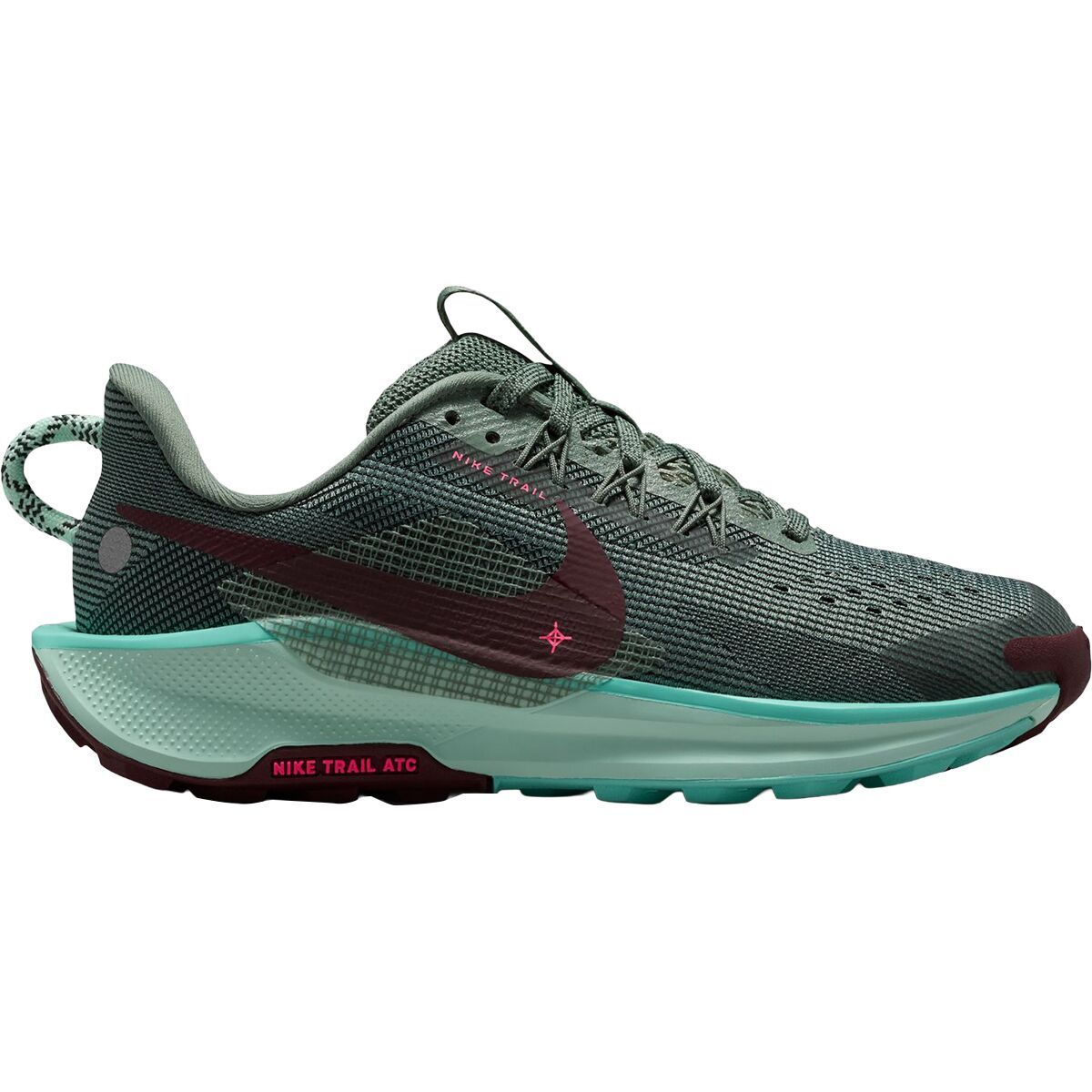
Nike Pegasus Trail 5
Our go-to trail-capable training shoe. React foam + sticky outsole.