Progress Tracker
Track your fitness journey with comprehensive metrics, interactive charts, and goal setting
Log New Entry
Related Calculators
How to Track Your Fitness Progress Effectively
Tracking your fitness progress is essential for achieving your goals and maintaining motivation. This comprehensive progress tracker helps you monitor multiple metrics over time, visualize trends, and celebrate achievements.
Why Track Your Progress?
- Objective Measurement: Numbers don't lie. Tracking provides concrete evidence of improvement beyond how you feel
- Identify Patterns: Discover what training approaches work best for your body
- Stay Motivated: Seeing progress charts trending upward keeps you committed during tough periods
- Course Correction: Catch plateaus or regression early and adjust your training plan
- Long-term Perspective: Day-to-day fluctuations matter less when you can see months of data
Key Metrics to Track
1. Weight and Body Composition
Weigh yourself weekly at the same time (ideally morning, post-bathroom, pre-breakfast). Body composition matters more than scale weight - track body fat percentage monthly for a complete picture.
2. FTP (Functional Threshold Power)
For cyclists, FTP is the gold standard. Test every 6-8 weeks using a 20-minute test. Regular tracking shows fitness gains and helps set appropriate training zones.
3. Running Pace
Track your comfortable pace over a standard distance (like 5K). Improvements in pace at the same heart rate indicate increased aerobic fitness.
4. Weekly Training Volume
Log total weekly mileage or hours. Gradual increases (10% per week) prevent injury while building fitness. Watch for patterns between volume and performance.
5. Resting Heart Rate
Measure immediately upon waking. Declining RHR over months indicates improved cardiovascular fitness. Sudden increases may signal overtraining or illness.
Setting Effective Goals
Use the SMART framework:
- Specific: "Increase FTP to 250 watts" not "get stronger"
- Measurable: Choose metrics you can track objectively
- Achievable: Set challenging but realistic targets based on current fitness
- Relevant: Align goals with your race schedule or lifestyle priorities
- Time-bound: Set a target date to create urgency and structure training
Best Practices for Data Collection
- Consistency is Key: Measure at the same time under similar conditions
- Don't Obsess Daily: Most metrics need weekly or monthly tracking
- Context Matters: Use the notes field to record sleep quality, stress, illness
- Backup Your Data: Export to CSV monthly to prevent loss
- Review Regularly: Monthly review sessions help identify trends and adjust training
Interpreting Your Progress Charts
Look for these patterns:
- Upward Trends: Gradual improvement over 3-6 months indicates effective training
- Plateaus: Normal after 8-12 weeks. Signal to change training stimulus
- Sudden Drops: May indicate overtraining, illness, or life stress. Time to rest
- Seasonal Patterns: Many athletes see performance cycles with racing season
Common Tracking Mistakes
- Too Many Metrics: Focus on 3-5 key metrics aligned with your goals
- Comparing to Others: Your only competition is your past self
- Ignoring Context: A bad number during a recovery week is expected
- Short-term Focus: Real progress happens over months, not days
- Not Celebrating PRs: Acknowledge achievements to maintain motivation
Frequently Asked Questions
How often should I log entries?
Log workouts daily, but measure body metrics (weight, body fat) weekly at the same time. Test performance metrics (FTP, pace) every 4-8 weeks. Track resting heart rate daily upon waking.
What if my progress stalls?
Plateaus are normal after 8-12 weeks. Review your training plan for progressive overload, ensure adequate recovery, check nutrition and sleep quality. Sometimes a recovery week breaks through plateaus.
Should I track during rest weeks?
Yes! Rest weeks often show improved metrics as your body adapts. Don't expect PRs during heavy training blocks - fitness reveals itself during recovery.
How do I set realistic goals?
Base goals on current fitness: aim for 5-10% improvement over 12 weeks for most metrics. Beginners can improve faster, advanced athletes progress more slowly. Research typical improvement rates for your sport.
Can I share my data with a coach?
Absolutely! Use the CSV export feature to share your progress data with coaches or training partners. Most coaching platforms can import CSV data.
Featured at Backcountry — 15% off first order
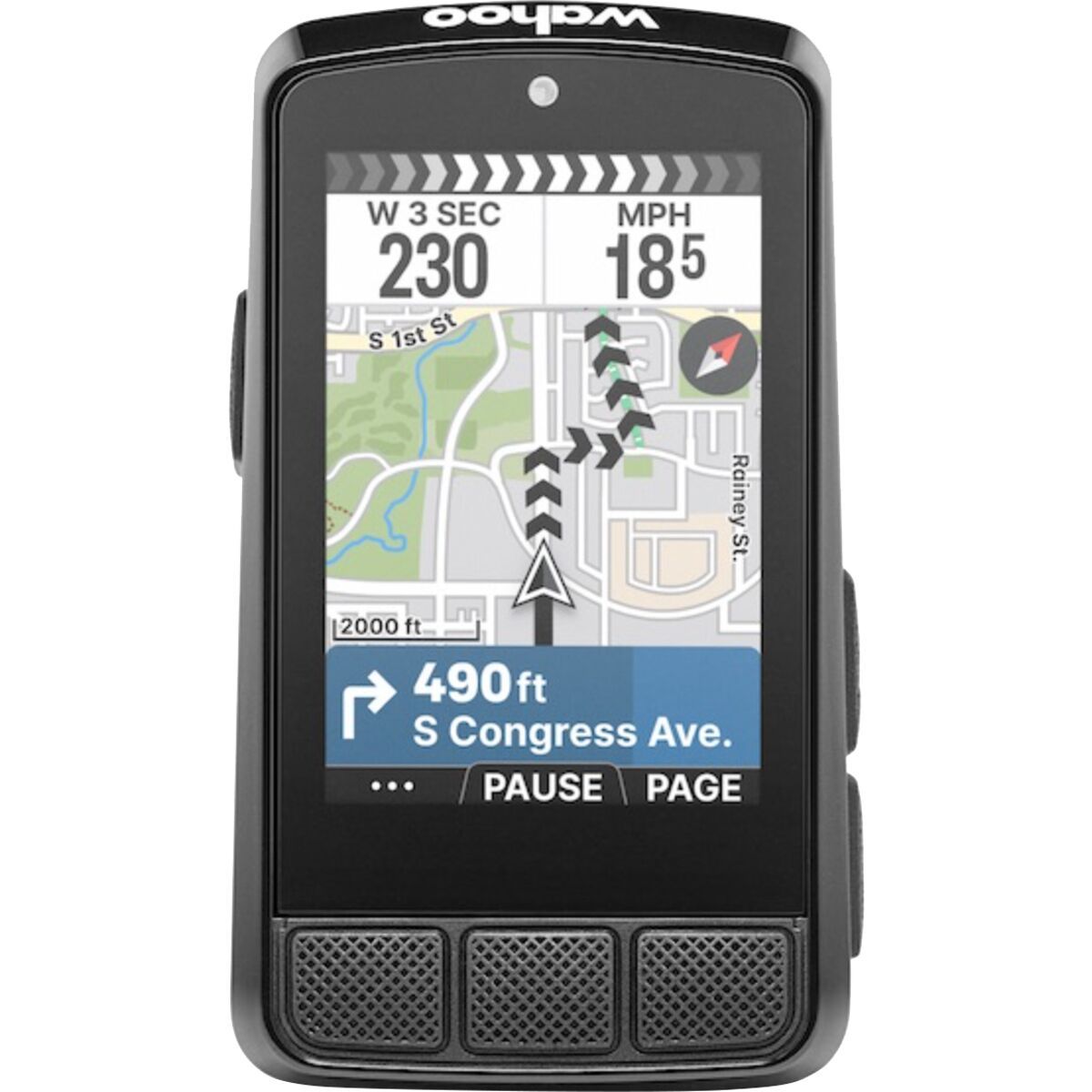
Wahoo ELEMNT BOLT 3
Display real-time watts from any power meter on Wahoo's premium head unit.